

Africa’s waste pickers seek role in COP31 zero-waste plan
The debate links informal recycling work to national methane plans as waste volumes are projected to rise from 2.1 billion tonnes to 3.
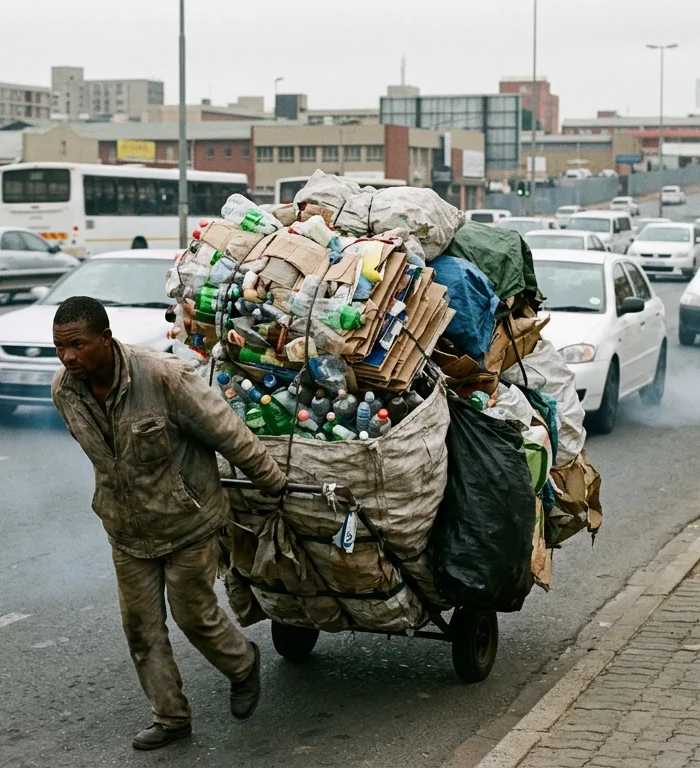
South Africa’s African Reclaimers Organisation and other African waste-picker groups sought formal recognition in COP31’s zero-waste agenda on Nov. 13, in an AllAfrica.com news report citing waste’s nearly 20% share of human-caused methane.
For African governments, the campaign intersects with rising waste volumes: the UN Environment Programme estimated municipal solid waste at 2.1 billion tonnes in 2023 and projected 3.8 billion tonnes by 2050.
Eva Mokoena of the African Reclaimers Organisation told AllAfrica.com that climate policy should start with people already collecting and sorting discarded materials. “Waste is a climate issue because what we throw away does not disappear,” she said.
Organic waste buried in landfills and dumpsites releases methane without oxygen, while open burning adds black carbon and toxic smoke, Mokoena said in the interview. She said source separation, reuse, recycling, composting and biogas can cut landfill methane and reduce demand for virgin materials.
“The key to making it work is already on the ground,” Mokoena said. “With proper recognition, equipment, and collaboration from governments, municipalities, and residents, they can multiply the climate impact they already deliver.”
COP31’s Global Climate Action Agenda is promoting a Zero Waste initiative focused on food-waste prevention, circular-economy approaches that turn discarded material into resources, and the inclusion of waste methane in updated Nationally Determined Contributions. NDCs are the national climate pledges countries submit under the UN climate process.
AllAfrica.com reported that low-income countries face the largest waste-management gap, citing an estimate that 97% of waste there ends in open dumping or burning. The report said uncontrolled sites can contaminate water and release climate pollutants, while weak monitoring makes targeted intervention difficult.
The International Energy Agency said improved waste management, including circular-economy systems and better treatment technologies, can contribute substantially to national greenhouse-gas reductions. Waste pickers argue that this contribution is already being made informally through material recovery in cities, landfills and waterways.
Mokoena said African governments should name waste pickers in waste and climate laws, include their organisations in policy design and provide equipment, infrastructure, social protection and payment for services. Many waste pickers still work without formal recognition, decent conditions or social safeguards, according to the AllAfrica.com report.
Two African countries, Ghana and Kenya, have joined the Zero Waste Districts programme, according to the interview. Mokoena said Ghana’s Green Waste Pickers Cooperative Society Limited and Kpone Landfill Waste Pickers Association are supporting community-led circular initiatives, while Kenya’s Nakuru County Waste Pickers Association is advancing waste reduction, reuse, recycling and waste picking.
Source: news report and interview, AllAfrica.com, Nov. 13
More stories
- Monrovia mayor-designate seeks $14.5m city budget
- Iran's attacks hit 25 tankers near Strait of Hormuz
- Russia strikes Ukraine as Odesa faces electricity strain
- Bahrain reports two injuries after Iranian aerial attacks
- Baltic responders fight Sparta II fire after drone strike
- Estonia to close 5 Russia road crossings for six months
- Kallas warns Russia seeks to redirect Ukraine talks
- Europe to join next Ukraine talks, Kushner says
- Rayner backs Burnham over UK-EU free-movement debate
- Machado returns to Venezuela, testing Rodríguez’s opening
Latest news
- Nvidia board gets Trump input on Jensen Huang return as CEO
- Rwanda faces budget strain from 85% electricity access push
- ICE arrests at Seattle airport draw protests and scrutiny
- AI doubts leave Asian stocks facing a new investment test
- EU rejects COP31 deal as fossil fuel divisions block pact
- Deal Sheet: Fortis shutdown costs over 400 jobs
- Germany to pay about $11 a month into child pension accounts
- Laura Brand curbs prison messages after YouTube dispute