Molten Lava Exoplanet L98-59d Discovered
Astronomers discovered exoplanet L98-59d, 35 light-years away, which is 1.6 times Earth's size and composed of molten lava.
Jason Kwon ·
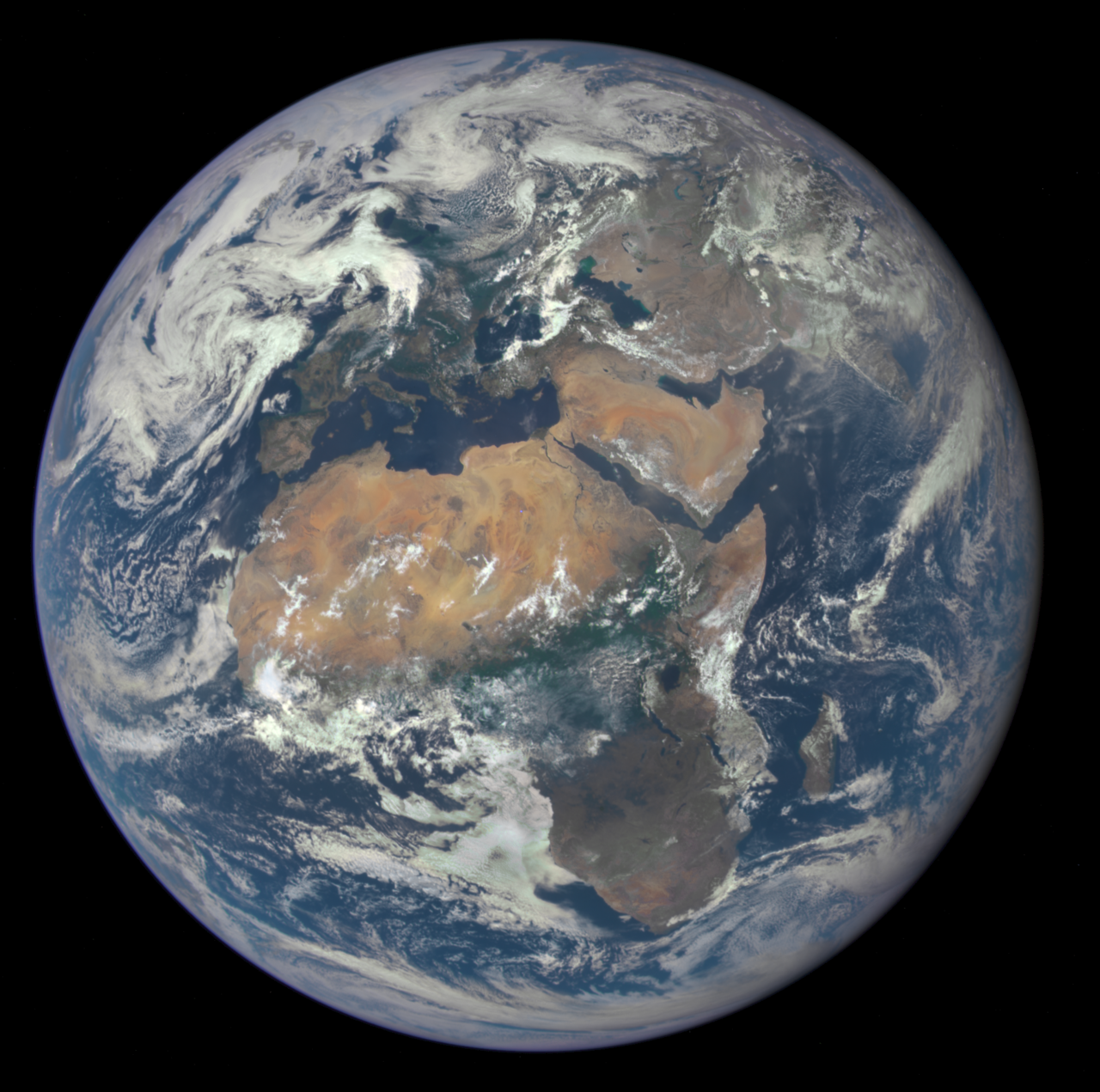
Astronomers have identified a new exoplanet, L98-59d, located approximately 35 light-years from Earth, which is characterized by a surface composed of molten lava. This celestial body, roughly 1.6 times the size of Earth, orbits a red dwarf star. Initial assessments had suggested the presence of a deep liquid water ocean, but subsequent analysis, incorporating data from the James Webb Space Telescope and advanced computational models, indicates a predominantly molten state.
This exoplanet is believed to possess a global magma ocean extending thousands of kilometers beneath its surface, potentially encompassing a molten core. Surface temperatures on L98-59d are estimated to reach 1,900 degrees Celsius (3,500 degrees Fahrenheit). The planet's composition is thought to enable the retention of a sulfur-rich atmosphere, preventing its dissipation over its estimated 5-billion-year lifespan.
Discovery and Characterization
The discovery and characterization of L98-59d were detailed in a recent publication in *Nature Astronomy*. The research highlights the use of sophisticated observational tools and simulation techniques to refine understanding of exoplanetary environments. The James Webb Space Telescope played a crucial role in gathering the spectroscopic data necessary for these refined atmospheric and compositional analyses.
Implications for Planetary Science
This finding challenges previous assumptions regarding exoplanet habitability. While L98-59d resides within its star's habitable zone, its extreme conditions, including intense tidal forces that generate magma waves and a hydrogen sulfide-rich atmosphere, render it unsuitable for life as currently understood. The existence of such a molten world within a habitable zone suggests that proximity to a star does not automatically equate to conditions conducive to life.
Broader Astronomical Context
The identification of L98-59d suggests that molten planets might be more prevalent in the galaxy than previously theorized. This expands the known diversity of exoplanetary types and provides new insights into planetary formation and evolution processes. Understanding these extreme environments is critical for refining models of planetary system development and the potential for life beyond Earth.
Future Research Directions
Further research will likely focus on refining atmospheric models for such planets and exploring the long-term stability of their molten states. The data gathered from L98-59d will contribute to a broader understanding of how planetary atmospheres interact with molten surfaces and how these conditions evolve over billions of years. This ongoing work will continue to inform the search for exoplanets with conditions more favorable to life.
Implications
Country Impact: This discovery has no direct country-specific implications, as it pertains to fundamental space science and global scientific understanding.
Industry Impact: The aerospace and scientific instrument industries, particularly those involved in space telescopes and data analysis, benefit from such discoveries, driving innovation in observational technology and computational modeling.
Market Impact: There are no direct market implications for global financial markets from this astronomical discovery. Its impact is primarily within the scientific research and academic sectors.