
تحول الاستراتيجية الأمريكية تجاه إيران نحو العقوبات البحرية
تنتقل واشنطن نحو استراتيجية تعتمد على العقوبات الاقتصادية والضغط البحري بدلاً من العمليات العسكرية، مما يثير مخاوف بشأن استقرار حركة الملاحة الدولية.
تغيير المسار الاستراتيجي
أكدت مصادر رسمية في السادس والعشرين من أغسطس 2026، أن الولايات المتحدة اعتمدت نهجاً جديداً في التعامل مع طهران، حيث استبدلت الضربات العسكرية المباشرة بحزمة موسعة من العقوبات الاقتصادية. ويهدف هذا التحول إلى ممارسة ضغوط مالية مكثفة بدلاً من الانخراط في مواجهات حركية. ومع ذلك، يرى محللون أن هذه السياسة تفرض تحديات طويلة الأمد على أسواق الطاقة العالمية وقطاع الشحن البحري.
تتضمن الاستراتيجية المحدثة تشديد الرقابة البحرية وتوسيع نطاق القيود المالية المفروضة. وبينما يقلل هذا التوجه من احتمالات الصدام العسكري الفوري، فإنه يعزز من دور الضغوط الاقتصادية كأداة رئيسية في السياسة الخارجية. ويقوم الفاعلون في الأسواق حالياً بتقييم التبعات المحتملة على تكاليف الشحن وأقساط التأمين، تحسباً لارتفاع النفقات التشغيلية في التجارة البحرية.
تداعيات أمن الممرات المائية
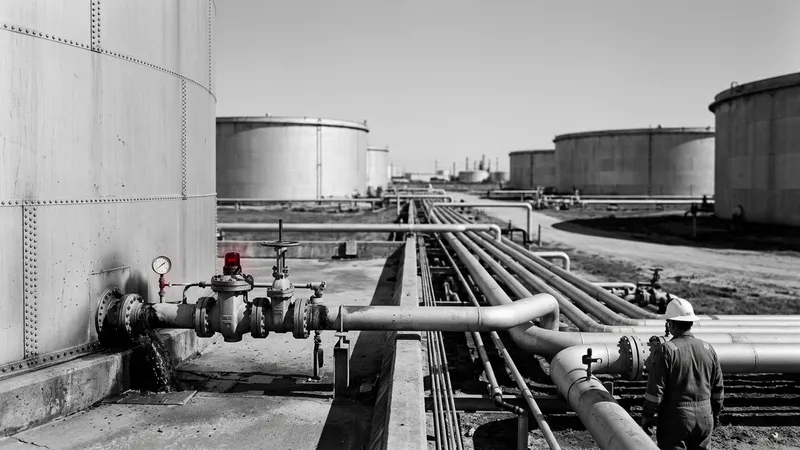
أعلن مسؤولون إيرانيون عن تمسكهم بالسيطرة على مضيق هرمز، الذي يعد شرياناً حيوياً لحركة التجارة الدولية. وتثير هذه التصريحات حالة من عدم اليقين، حيث قد تؤدي أي إجراءات إيرانية لفرض سيادتها على الممر إلى رفع تكاليف التأمين على الناقلات وتأخير وصول الشحنات. ويعتمد قطاع الطاقة العالمي بشكل جوهري على استمرارية تدفق النفط والغاز الطبيعي المسال عبر هذا المضيق.
يعكس هذا التحول توجهاً جيوسياسياً يركز على الخنق الاقتصادي كبديل للتدخل العسكري المباشر. وفي حين تتسم الضربات العسكرية بالمخاطر الفورية والتقلبات الحادة، فإن نظام العقوبات الممتد يعمل على تقويض القدرات التصديرية والاستقرار المالي للدول بشكل تدريجي. وقد تؤدي هذه الضغوط المستمرة إلى تحقيق أهداف استراتيجية مماثلة دون الحاجة إلى مواجهة مسلحة.
مراقبة الأسواق والآفاق المستقبلية
تتابع شركات الشحن والمتداولون مؤشرات دقيقة لتقدير تأثير هذه السياسة على الأسواق، بما في ذلك تغير مسارات السفن وتقلبات أسعار التأمين وتوافر المواد الخام للمصافي. وسوف يحدد التفاعل بين هذه العوامل التبعات الاقتصادية الأوسع للسياسة الأمريكية الجديدة. ويقدم تحليل أطلس رؤية مفادها أن استقرار سلاسل الإمداد يعتمد بشكل كبير على التطورات الميدانية في المنطقة.
يبرز الثلاثون من سبتمبر 2026 كمحطة اختبار حاسمة، حيث يترقب المراقبون ما إذا كانت طهران ستنفذ تهديداتها المتعلقة بالمضيق. وسيوفر هذا التاريخ رؤى واضحة حول مدى فاعلية العقوبات والوجود البحري في التأثير على أنماط تجارة النفط. وتعد هذه الفترة جوهرية لتقييم نجاح أو إخفاق النهج الأمريكي الجديد في إدارة التوترات الإقليمية.
More stories
- الحوثيون يعلنون استهداف مطار الرياض مع أنباء عن وقوع إصابات
- ألمانيا تؤكد مجدداً التزامها بالعقوبات على روسيا وسط تحول محتمل في السياسة الأمريكية
- الصين تتغلب على تايلاند 2-0 وتتأهل إلى نهائي بطولة العالم للناشئين في الريشة الطائرة
- روسيا والصين تعطّلان مسعى أمريكياً لحظر توريد الأسلحة إلى السودان على مستوى البلاد
- تقارير عن ضغوط أمريكية على إسرائيل بشأن الضربات ضد إيران تختبر موقف واشنطن
- إدارة ترامب تفرض عقوبات على المحكمة الجنائية الدولية
- الترسانة النووية الروسية تظل خياراً استراتيجياً بعيداً عن الصراع التقليدي
- إيران وعمان تبحثان إنشاء ممر ملاحي مؤقت في مضيق هرمز
- تحليل أطلس: ضغوط أمريكية على لندن لتأمين مضيق هرمز
- فلافيو بولسونارو يواجه تحديات قانونية مع بدء حملته الانتخابية
آخر الأخبار
- تكاليف الاقتراض الفرنسية تبلغ 5% مع تفاقم أزمة الديون
- مكتب غرابار للمحاماة يحقق في ادعاءات مساهمين ضد أربع شركات مدرجة في بورصة ناسداك
- إيرادات "بيرنا" تهبط 46% مع تعمق عملية إعادة ضبط المبيعات
- وكلاء البرمجة بالذكاء الاصطناعي يضيفون 30% من الشفرات البرمجية دون زيادة مخرجات البرمجيات
- بيبسيكو تخفض توقعات نمو ربحية السهم لعام 2026 إلى بين 2.5% و3.5%