Zimbabwe Currency Chief Pushes to Bolster ZiG's Value
Zimbabwe ZiG chief says the currency is undervalued, citing reserve backing near 15 per dollar versus an official 25–28 range.
Jason Kwon ·
Zimbabwe’s central bank governor John Mushayavanhu is pressing a public-confidence campaign around the Zimbabwe Gold (ZiG), arguing the currency is trading well below what its reserve backing would justify. Speaking on the sidelines of the IMF and World Bank spring meetings in Washington, he said the gap between the official rate and the central bank’s own valuation reflects skepticism rather than weak fundamentals.
Mushayavanhu said the central bank holds enough gold and foreign reserves to repurchase all ZiG in circulation at about 15 ZiG per U.S. dollar . He contrasted that with the currency’s current official trading range of 25 to 28 ZiG per dollar , describing the difference as a confidence problem among households and firms shaped by prior economic shocks.
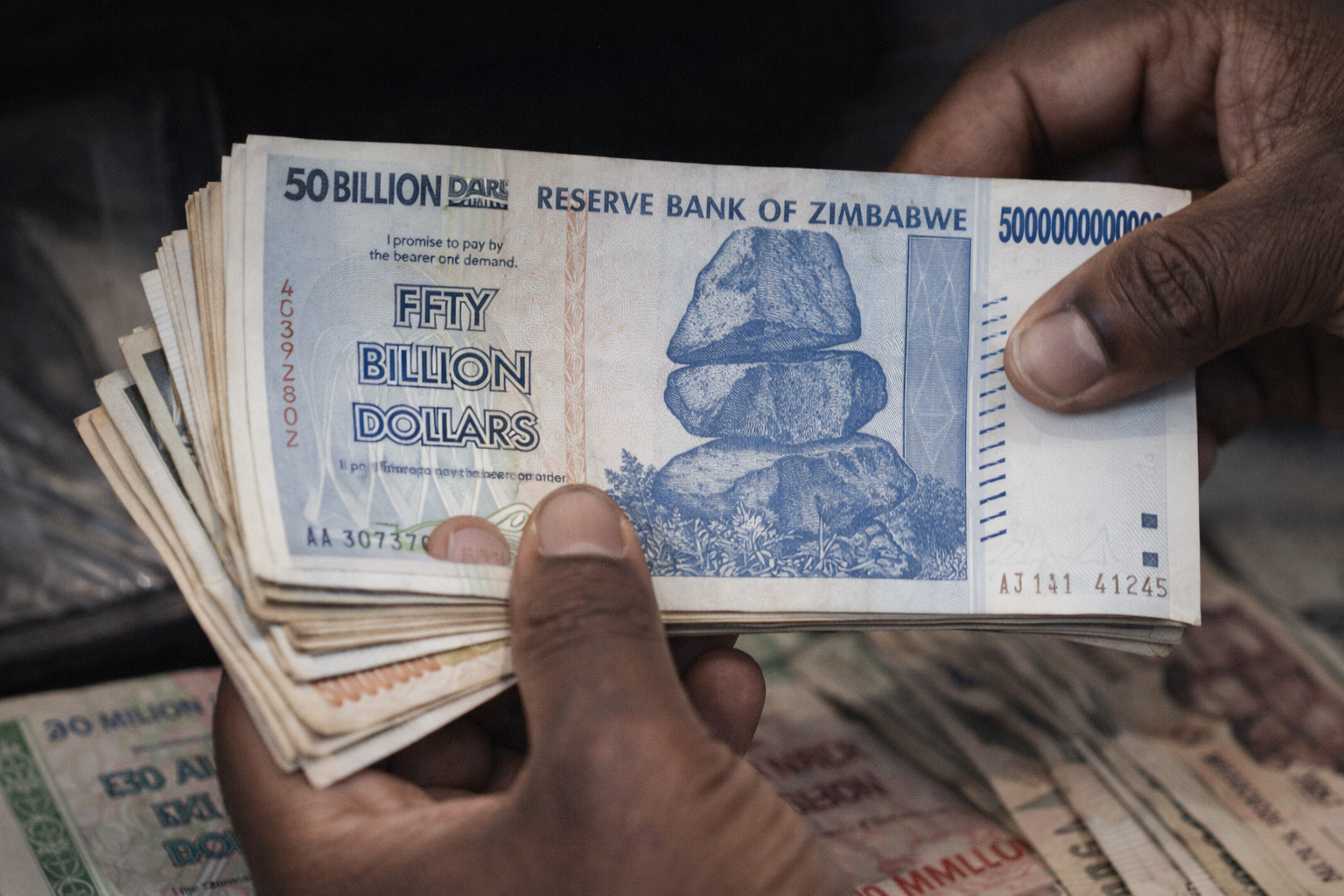
The governor linked today’s discount to Zimbabwe’s long record of currency failures and world-record hyperinflation, which entrenched a preference for the U.S. dollar and deepened distrust in domestic money. He said the central bank is trying to rebuild credibility after losing it, and that the market is not yet valuing ZiG in line with the asset backing he described.
The ZiG was introduced about two years ago as the latest attempt to establish a durable local currency. Officials see its performance as central to reducing reliance on foreign currencies and restoring room for domestic monetary policy, including the ability to transmit interest-rate and liquidity decisions through a widely used national unit of account.
Mushayavanhu, who took office shortly before ZiG’s launch, pointed to early results he said support the new framework. He reported that the central bank has stabilized the exchange rate and brought inflation down to single digits , calling it a landmark outcome and saying it is the first time Zimbabwe has achieved single-digit inflation in nearly three decades .
Even with those gains, the central bank’s immediate challenge is persuading the public and businesses that the stability will last. The governor’s stated objective is for market behavior to move closer to the reserve-backed valuation he outlined, narrowing the distance between the official trading range and the level implied by the central bank’s claimed capacity to buy back currency in circulation.
Uncertainty remains over whether confidence can be restored quickly given the depth of historical distrust and the economy’s established use of foreign currency. The central bank’s campaign, as described by Mushayavanhu, hinges on whether credibility improves enough for pricing and payment choices to shift toward ZiG, or whether dollarization remains entrenched and continues to limit monetary policy autonomy.