A360
UK PM urges resilience amid global instability, citing Gulf talks on security, shipping lanes and steps to reduce energy and food price shocks.
The UK Prime Minister is advocating for enhanced national resilience through energy independence and economic safeguards to protect against global instability, a key shift from reactive crisis management to proactive preparedness.
During a Gulf tour, the Prime Minister discussed regional security and economic concerns, emphasizing the need to mitigate external shocks like international conflicts impacting domestic energy and food prices.
Discussions with international leaders, including the US President, highlighted the importance of securing vital shipping lanes like the Strait of Hormuz, underscoring a broader strategy for long-term national stability amidst persistent global challenges.

UK Prime Minister said the country needs stronger national resilience to limit how global events spill over into domestic stability, according to remarks made during a multi-day trip to Gulf states. The visit included Saudi Arabia, the UAE, Bahrain, and Qatar, where talks covered regional security and economic issues.
In outlining the government’s approach, the Prime Minister pointed to external shocks—such as international conflicts—as a recurring driver of pressure on household costs. He said these events can quickly feed into domestic energy and food prices, and argued that the UK should reduce exposure to geopolitical swings through policies aimed at energy independence and stronger economic safeguards.
Escalating conflict in the Middle East, particularly involving Iran and the Strait of Hormuz, has led to significant damage to energy infrastructure and heightened fears of prolonged disruptions to global oil and gas supplies. This geopolitical instability is directly impacting international energy markets, driving up prices, and creating inflationary pressures worldwide, complicating monetary policy decisions for central banks.
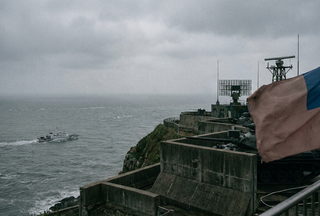
Officials said the Prime Minister’s discussions with international counterparts also addressed the importance of keeping key maritime routes open. In particular, the Strait of Hormuz was cited as a critical shipping lane that has faced disruptions, with leaders stressing the need to maintain freedom of navigation to support global trade flows.
The Prime Minister framed his message as a move toward long-term preparedness rather than relying on short-notice crisis responses. Government officials echoed that view, saying global instability is increasingly persistent and requires planning that can withstand repeated shocks rather than one-off emergencies.
As part of the resilience agenda, the Prime Minister advocated investment in renewable energy as a way to strengthen energy security. He also referenced adjustments to social policies as part of a broader effort to reinforce the country’s ability to absorb future international pressures, with the stated aim of reducing vulnerability when geopolitical conditions shift.
For global markets, the emphasis on shipping lanes and energy security links domestic policy to wider trade and commodity dynamics. Officials’ focus on the Strait of Hormuz underscores how disruptions in strategic corridors can transmit quickly across borders, affecting supply chains and price stability well beyond the region.
Key uncertainties remain around the timing, scale, and design of the measures described, including how renewable investment and social policy changes would be implemented. The government has not detailed specific funding levels or timelines in the remarks described, leaving open questions about delivery and the pace at which resilience goals could translate into measurable outcomes.