

New PEN Chapter Seeks Formal Recognition Amidst Internal Ideological Shifts
A new literary organization is seeking official status within the global PEN network, reflecting internal disagreements over the scope of free expression…
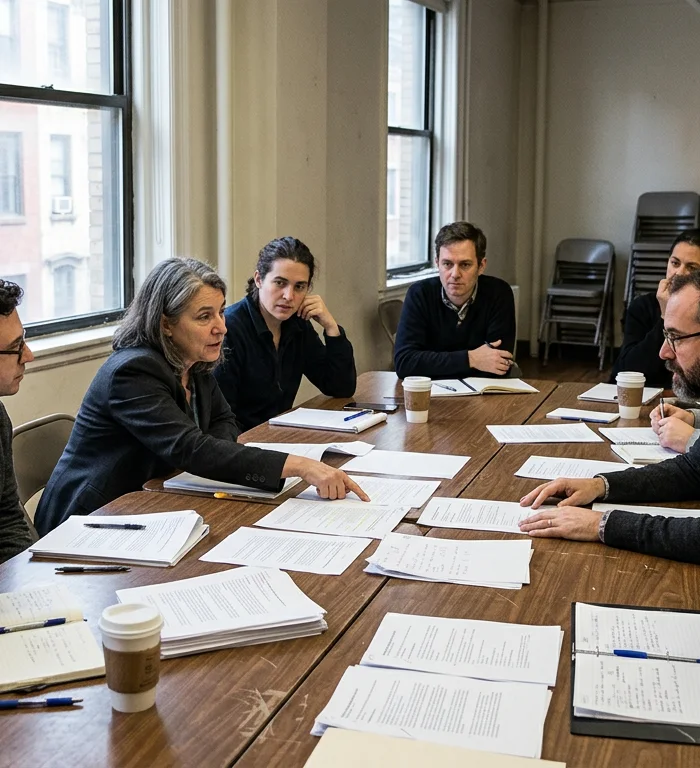
A coalition of over 100 writers, artists, and industry professionals has initiated the formation of a new organization, PEN Writes US, seeking formal recognition as a chapter within the global PEN network. The group aims to secure official status at the PEN International Congress scheduled for September 2027, a process requiring a majority vote from existing international centers. The organization is currently operating under the guidance of the London-based PEN International Secretariat.
The formation of this group follows a period of significant internal friction within the existing PEN America chapter. Tensions escalated following a report regarding the treatment of Israeli and Jewish writers, which prompted the resignation of former president Dinaw Mengestu in July 2026. Additionally, the organization faced a prolonged boycott from 2024 through late 2025 by a coalition of writers and academics who alleged that the institution failed to adequately protect Palestinian and pro-Palestine speech.
While proponents of the new chapter emphasize that Founding members of the new entity argue that the current landscape requires an organization that defends all forms of expression, including cultural and academic boycotts, without exception. While proponents of the new chapter emphasize that the initiative is intended to provide an additional voice for literary defense rather than direct competition, the move highlights a deepening ideological divide regarding the scope and application of free expression advocacy in the United States.
PEN America maintains that its mandate remains focused on defending free expression as a universal right, regardless of viewpoint. The organization has cited its provision of $500,000 in emergency support for Palestinian writers and its documentation of cultural destruction in Gaza as evidence of its commitment to a diverse range of voices. The emergence of a second U.S. chapter would mark a return to a structure previously utilized in the country until 2018, potentially complicating the unified representation of American literary interests on the international stage.
More stories
- Laura Brand curbs prison messages after YouTube dispute
- David Parr House to honor Victorian art-workman with blue plaque
- Al-Fatlawi recasts Iraq on screen with about $2.5m debut
- Strictly expands stage for 8 couples in Blackpool return
- Anoop Lokkur seeks backers for $1.3m Bengaluru dark comedy
- Jeff Buckley track tops 500,000 TikTok uses this year
- Television guitarist Richard Lloyd dies at 75 years old
- Channel 4 ends 10-year Married at First Sight UK run
Latest news
- Morocco targets 2030 World Cup final with new stadium bid
- Barclays puts AI bust risk at center of US growth debate
- US inflation reaches 3.8% before December Fed rate meeting
- Türkiye Desk: GTA 6 drains UK mobile spend as Turkish studios feel pressure
- Global stocks fall 0.4% as tariffs and US inflation loom
- CIA hack affects unclassified data; scope remains unclear
- Eisenkot secures first coalition deal but lacks majority
- Trump prepares tariffs on China and other major exporters