Oil Swings Threaten Global Trade
Oil price volatility, fueled by Middle East conflicts, will significantly reduce global merchandise trade growth by late next year.
Atlas Newsdesk ·
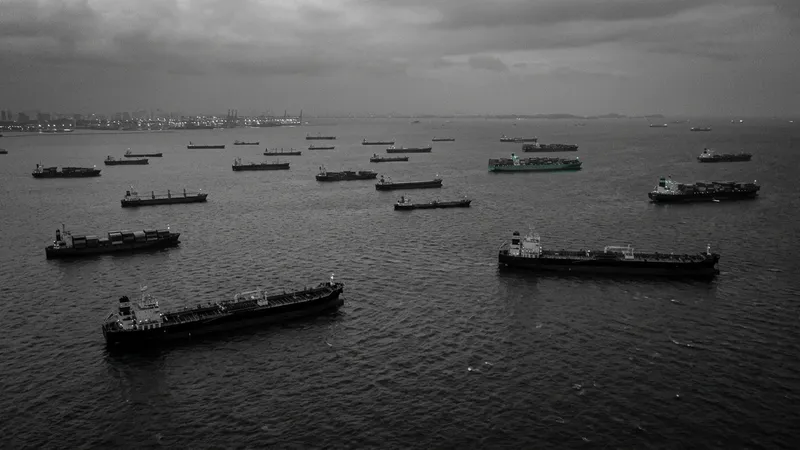
Global merchandise trade growth is projected to decline significantly by late next year if oil market disruptions persist. Analysis indicates that sustained oil price fluctuations could reduce global trade growth by 1.75% compared to pre-conflict expectations.
This reduction is attributed to increased oil price volatility, which is nearly 60% higher than pre-conflict levels. Modeling suggests that volatility is more detrimental to trade flows than consistently high prices.
The impact of oil price volatility on trade flows can take up to 19 months to fully materialize. This delay is due to factors such as renegotiation of shipping contracts, inventory adjustments, and shisourcess in consumer confidence.
Previous forecasts for global goods trade growth, which anticipated a 1. 9% increase in 2026 and 2.6% in 2027, may be substantially impacted. A 25% rise in fuel price volatility, comparable to the post-invasion energy crisis, or a doubling of volatility, akin to the 2008 commodity crash peak, were modeled.
Regional impacts vary, with Africa and the Middle East experiencing the most significant trade reductions in high-volatility scenarios. The ongoing conflict in the Middle East and related disruptions to oil supplies contribute to this instability.