US Seizes Iranian Tanker Amid Ceasefire Deadline
U.S. seizes Iranian ship on April 20, 2026 as a two-week ceasefire nears April 22, lifting oil and unsettling stocks.
Lauren Collins ·
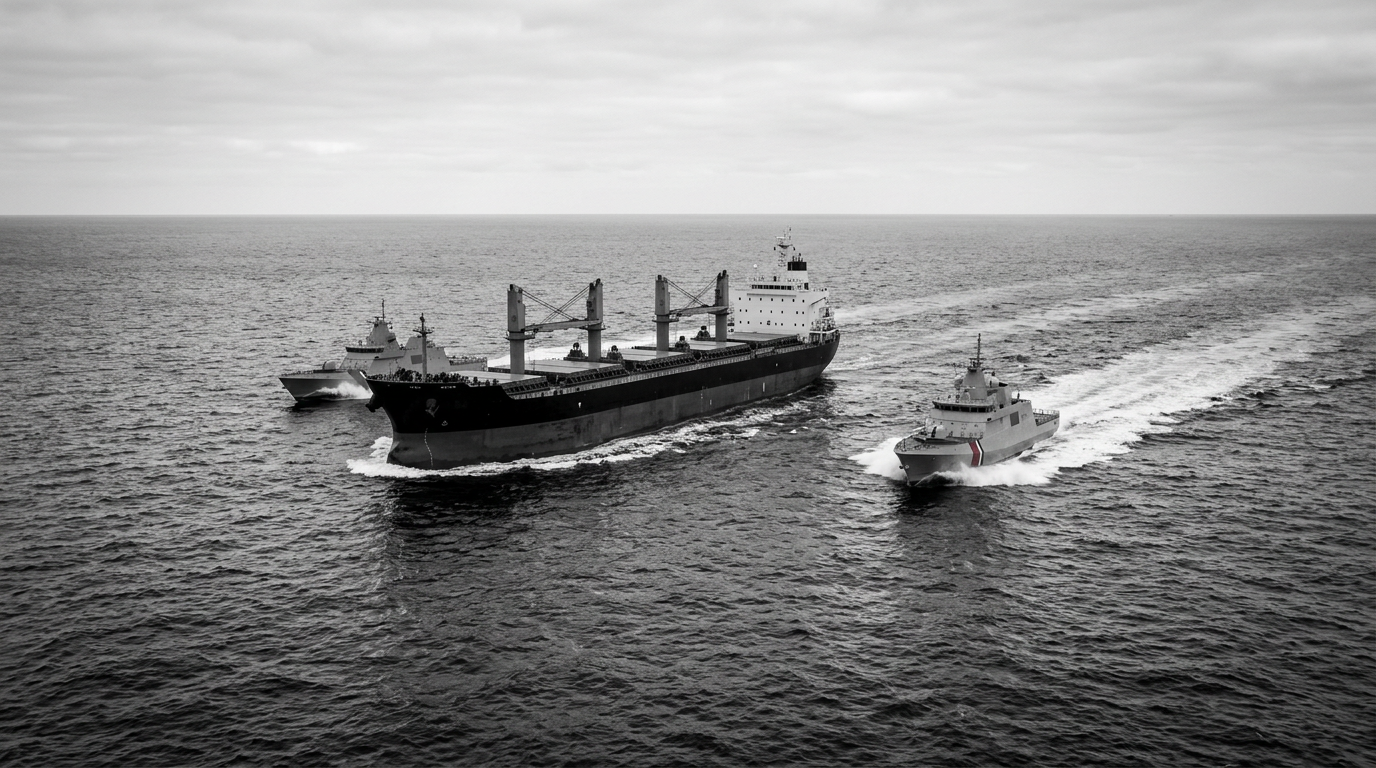
The United States military on April 20, 2026, seized an Iranian-flagged cargo vessel that officials said was trying to move through a U.S. blockade, a step that Iran said would be met with retaliation and that put a fragile ceasefire at risk. The incident unfolded with a two-week ceasefire between the U.S. and Iran nearing its scheduled end on April 22, and it came alongside signs of a widening diplomatic rupture.
U.S. forces intercepted the cargo ship M/V Touska as it sailed toward Iran’s Bandar Abbas port, according to the account provided. U.S. President Trump confirmed the seizure and said the vessel was in U.S. custody. Iran’s response, delivered by an Iranian military spokesperson quoted by state media, described the action as “armed piracy” and said Tehran would respond in kind.
Diplomatically, Iran’s state media reported that Tehran would not join a second round of peace talks. The report cited the continuing blockade, what it called threatening rhetoric, and Washington’s “excessive demands” as reasons for rejecting further negotiations. With the ceasefire approaching its expiration on April 22, the combination of the ship seizure and the refusal to return to talks increased uncertainty over whether the pause in hostilities would hold.
The developments also reverberated through global markets, particularly energy. Oil prices jumped and stock markets turned unstable as traders weighed the risk of further disruption to marine traffic in the region. Market attention centered on the Strait of Hormuz, which typically carries approximately one-fifth of the world’s oil supply, making it a key chokepoint for global energy flows and shipping schedules.
S. has maintained a blockade of Iranian ports, a policy that remains central to the current standoff. The source material also notes that Iran has previously imposed and reimposed its own blockade on the Strait, underscoring how quickly maritime measures can affect commercial routes. For global importers and exporters, the immediate issue is not only the custody of the M/V Touska but also the broader risk that restrictions or counter-restrictions could tighten around critical waterways.
Key unknowns remain, including the timing and form of Iran’s promised retaliation and whether any channel for renewed talks will reopen before or after April 22. With the ceasefire’s end date close and both sides hardening positions in public statements, investors and governments are left monitoring maritime security and the durability of the current pause.