Strait of Hormuz Closure Rocks Oil Markets
Oil prices surged on April 20 after reports the Strait of Hormuz closed again, as the U.S. and Iran traded ceasefire violation claims.
Lauren Collins ·
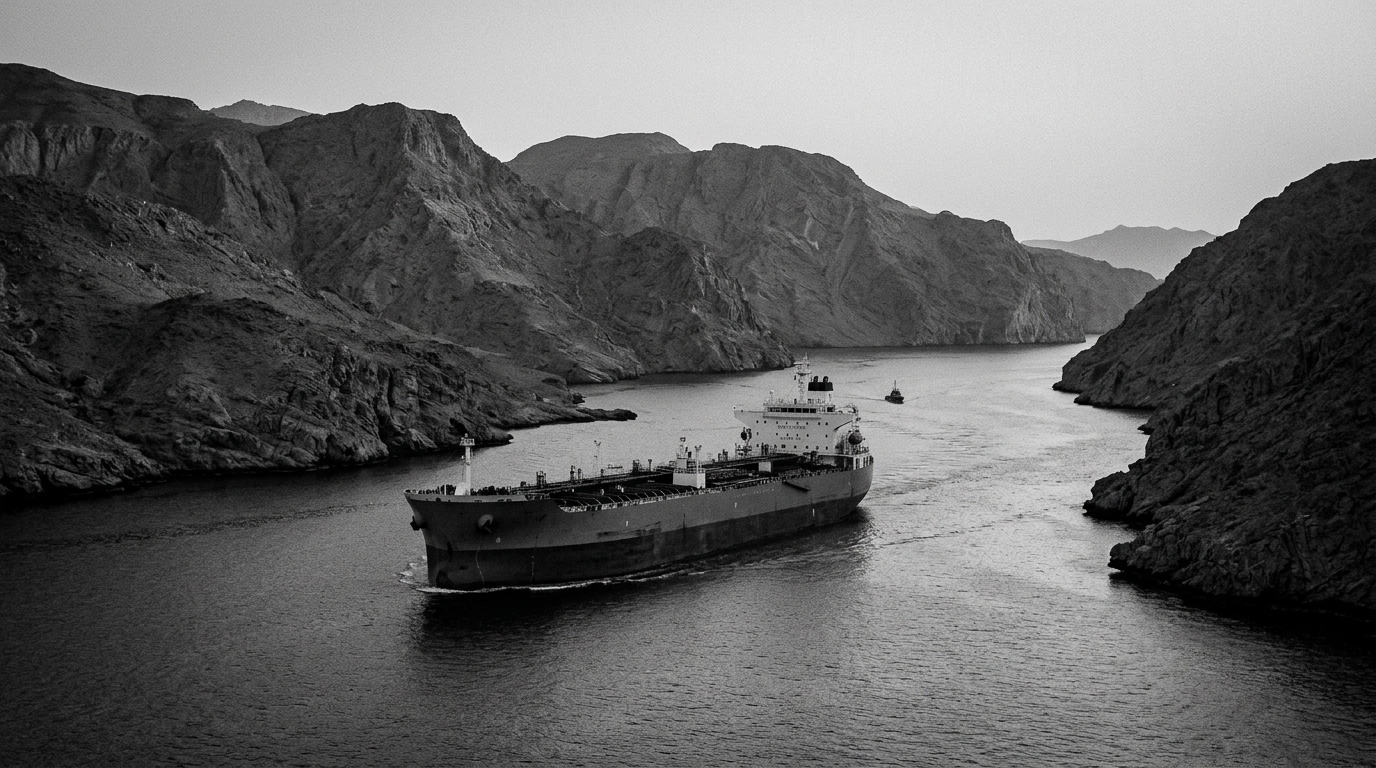
Oil prices rose sharply on Monday, April 20, after reports said the Strait of Hormuz had been closed again amid renewed friction between the United States and Iran. Brent crude futures climbed by $6.11, or 6.76%, to $96.49 a barrel by 2327 GMT. U.S. West Texas Intermediate (WTI) gained $6.53, or 7.79%, to $90.38 a barrel.
The move followed a weekend of maritime incidents and competing claims from Washington and Tehran. The United States and Iran accused each other of breaching a ceasefire agreement by attacking ships over the weekend. U.S. President Donald Trump said on Sunday that the U.S. military seized an Iranian cargo ship that he said was trying to bypass a blockade.
Iran, for its part, said it would not take part in a second round of peace talks. That statement came alongside Trump’s threats of renewed airstrikes, according to the information provided. The combination of a reported chokepoint disruption and escalating rhetoric helped push crude prices higher in late trading.
The Strait of Hormuz is described as a key passage for global energy flows, and it previously handled about one-fifth of the world’s oil supply. Because of that role, any interruption can quickly affect pricing for crude benchmarks used across regions, including Europe-linked Brent and U.S.-linked WTI. The latest reported closure also carries wider implications for cargoes beyond crude, given the range of commodities that move through the corridor.
The rebound on April 20 followed a sharp reversal late last week. On Friday, both Brent and WTI posted their biggest daily drops since April 18 after Iran indicated the Strait was open to commercial vessels and Trump suggested Iran had agreed to keep it open. Those signals had eased immediate supply concerns, contributing to the earlier decline.
Shipping data cited from Kpler pointed to continued activity even as the situation shifted. Kpler data showed more than 20 vessels carrying oil, liquefied petroleum gas, metals, and fertilizers moved through the Strait on Saturday, the highest count since March 1. The reported closure after that transit surge underscores uncertainty around access and enforcement, and it remains unclear how long restrictions could last or how consistently they would be applied.