Chinese tankers cross Hormuz after U.S.-Iran ceasefire
Chinese tankers crossed the Strait of Hormuz on April 11 after a U.S.-Iran ceasefire, signaling resumed outbound oil shipping activity.
Lauren Collins ·
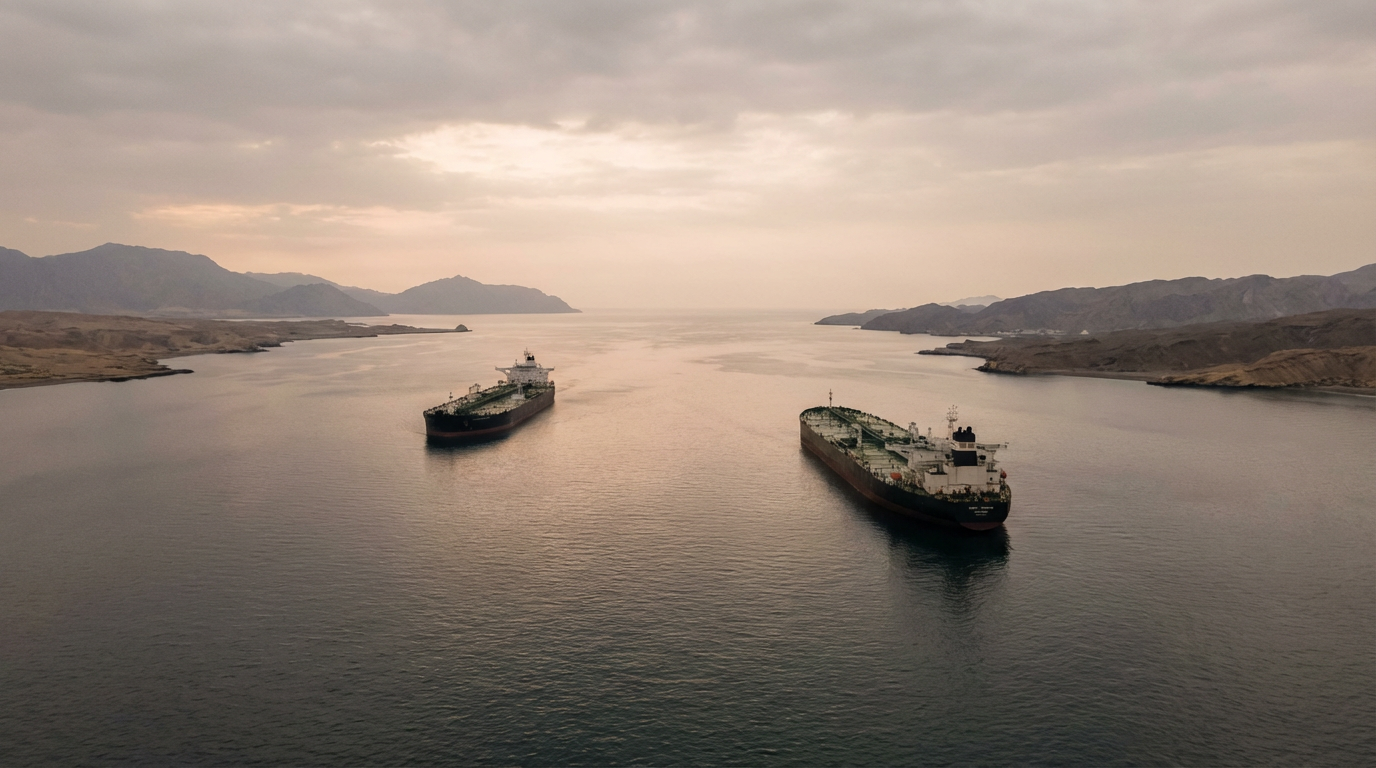
Two Chinese supertankers crossed the Strait of Hormuz on Saturday, April 11, in what shipping data suggested was among the first outbound transits from the Middle East Gulf since a U.S.-Iran ceasefire agreement earlier in the week. The vessels were identified as the Cospearl Lake and He Rong Hai, both classified as Very Large Crude Carriers (VLCCs).
According to shipping data from LSEG, the two tankers moved through a designated “Hormuz Passage trial anchorage” during their transit. The route is described as being designed to bypass Iran’s Larak Island, indicating the ships followed a specific passage arrangement while entering and exiting the area.
Both VLCCs are chartered by Unipec, the trading arm of Sinopec. Sinopec is described as Asia’s largest refiner, placing the voyage in the context of major Asian crude procurement and the logistics that support it.
The timing of the transit linked the movement directly to the ceasefire agreement reached earlier in the week between the United States and Iran. The passage was presented as a sign that oil shipping activity through the waterway was resuming after a period of heightened tensions, with the immediate operational effect visible in vessel movements.
The Strait of Hormuz is widely treated as a critical chokepoint for global energy trade. The source material states that approximately one-fifth of the world’s oil passes through the strait, making any disruption—or restart—relevant not only to regional exporters and importers, but also to broader international markets that price crude based on expectations of uninterrupted flows.
In practical terms, the movement of the Cospearl Lake and He Rong Hai highlighted how quickly maritime trade patterns can respond when security conditions change. For market participants, the transit served as a concrete indicator of shipping normalization in a corridor central to Middle East crude exports and to supply routes feeding refineries in Asia and beyond.
Even with the ceasefire in place, some uncertainty remains from the information provided: the data points to a “trial anchorage” route and a bypass of Larak Island, but it does not specify whether additional operational measures, delays, or restrictions continued for other vessels. The next signal of sustained normalization would be whether more outbound transits follow under similar routing conditions.