Israel-Lebanon ceasefire set for April 16 at 21:00 GMT
Israel-Lebanon ceasefire begins April 16 at 21:00 GMT for 10 days, with possible extension as the US facilitates direct talks.
Lauren Collins ·
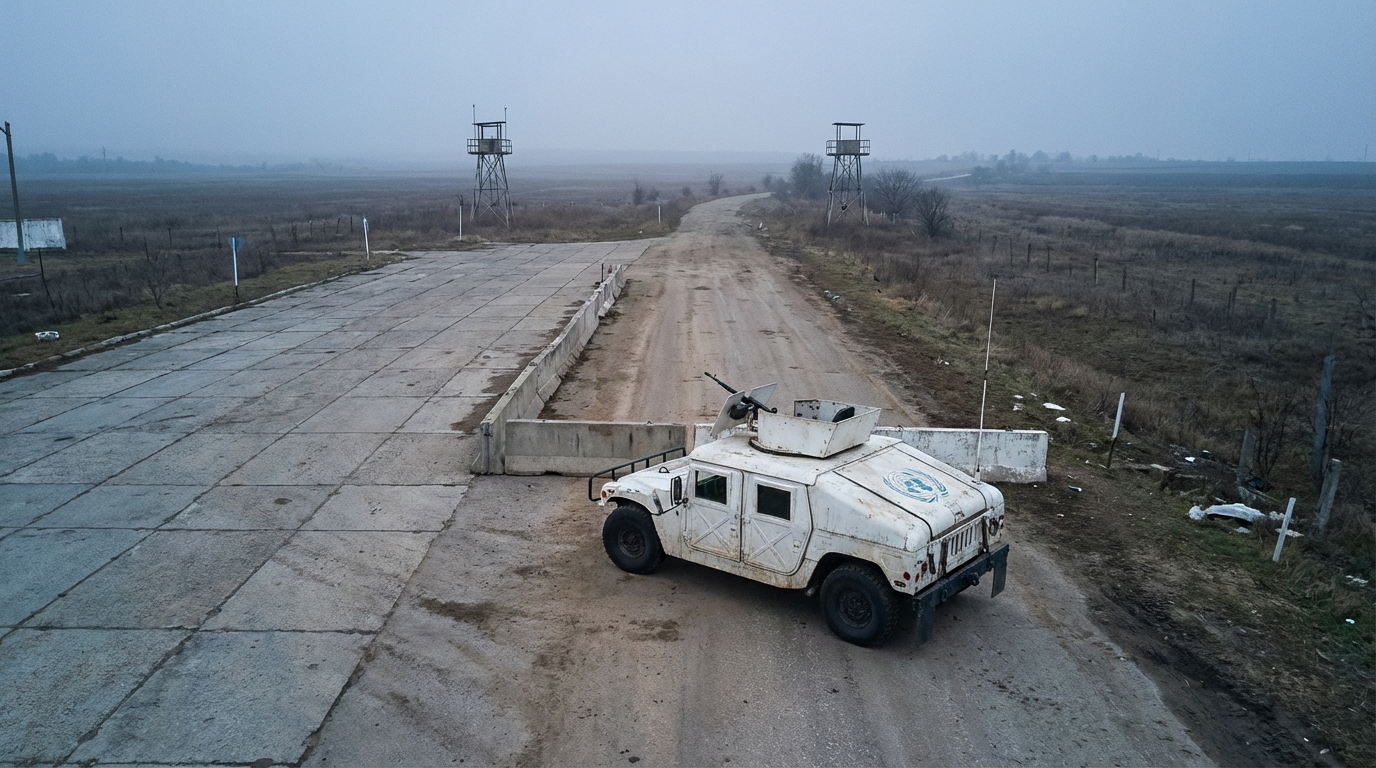
A 10-day ceasefire between Israel and Lebanon was announced, set to begin on April 16 at 21:00 GMT. Officials said the arrangement can be extended if negotiations make progress, while Israel retains what it described as the right to self-defense in response to attacks.
Under the terms described, Lebanon is required to prevent non-state armed groups, including Hezbollah, from launching attacks against Israeli targets. Officials said Lebanon’s security forces are designated as having exclusive responsibility for the country’s security, a provision that underscores the agreement’s focus on state control over the use of force.
The United States is expected to continue facilitating direct talks between the parties, according to officials. The ceasefire framework, as presented, links the possibility of an extension to whether those negotiations advance, placing diplomatic engagement at the center of what happens after the initial 10-day period.
Despite the ceasefire announcement, Israeli forces are set to remain positioned 10km deep into southern Lebanon. Israeli officials described the area as a “security zone,” indicating that the ceasefire does not, by itself, change that deployment during the initial period.
Hezbollah indicated it is willing to participate, but said its position depends on a comprehensive halt to attacks and on Israeli forces not having freedom of movement. Officials noted that Hezbollah is not formally part of the Lebanese government’s security apparatus, a point that matters because the agreement assigns security responsibility to Lebanon’s state forces while also requiring action against non-state groups.
The announcement sets out a structure that combines a time-limited pause in hostilities with conditions tied to enforcement and negotiations. Key uncertainties remain around how the requirement for Lebanon to prevent attacks by non-state armed groups will be implemented in practice, and how the continued presence of Israeli forces 10km inside southern Lebanon will be handled alongside Hezbollah’s stated conditions.