Ceasefire Holds as Hormuz Talks Test Diplomacy
Ceasefire holds as diplomacy intensifies, with Trump citing Iran talks and Britain-France hosting a 40-nation Hormuz summit without the U.S.
Lauren Collins ·
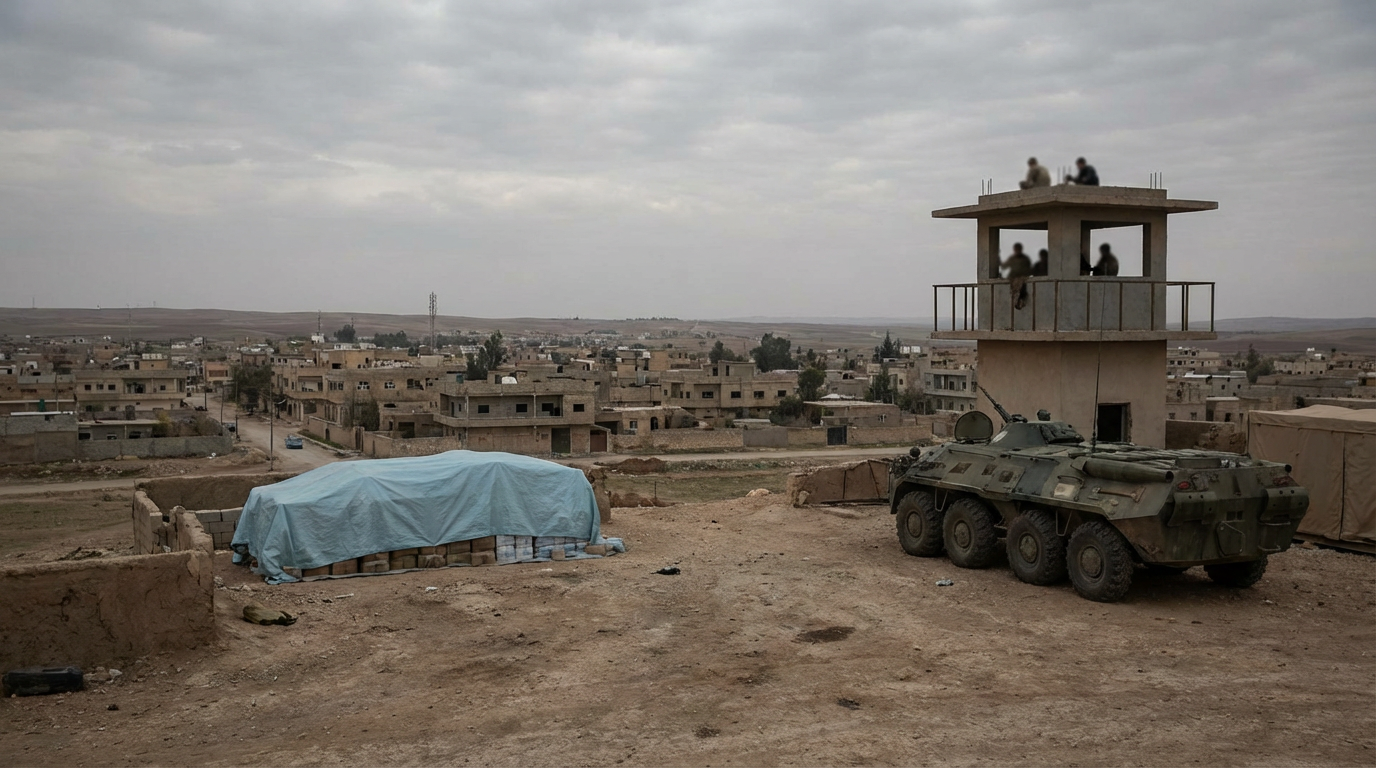
A 10-day ceasefire between Israel and Iran-backed Hezbollah in Lebanon began on Friday, April 17, 2026 , as diplomatic activity accelerated around the wider regional conflict involving Iran. The truce started despite immediate accusations of violations made by the Lebanese army against Israel, underscoring how quickly the arrangement faced strain.
Officials framed the ceasefire as a window for broader negotiations, with U.S. President Donald Trump saying he was confident a deal with Tehran was approaching. Trump also said a White House meeting between Israeli and Lebanese representatives could take place within two weeks, and he described the conflict with Hezbollah as a major obstacle in talks connected to Iran.
At the same time, Britain and France convened a virtual summit bringing together leaders from 40 nations to discuss reopening the Strait of Hormuz , a key global trade corridor. The United States is not participating in that summit, according to the information provided.
Experts said the Hormuz initiative’s prospects depend on several conditions: endorsement from the United States, buy-in from the shipping industry and Gulf states, and a lack of contestation from Iran. Those requirements highlight the practical constraints facing multinational efforts to restore confidence in a route that is central to energy and goods flows.
French President Emmanuel Macron backed the ceasefire while warning that it remained fragile, citing continued military operations as a concern. His comments aligned with the early allegations of violations, reinforcing that the truce’s durability is uncertain even as diplomacy intensifies.
In South Asia, Pakistan's Prime Minister Shehbaz Sharif welcomed the ceasefire and said Pakistan would continue supporting peace efforts. He also praised U.S. diplomatic initiatives, adding another international voice urging de-escalation.
For markets and policymakers, the developments link two closely watched tracks: a time-limited ceasefire on Israel’s northern front and parallel discussions tied to Iran and maritime access. The ceasefire is explicitly presented as a mechanism to enable diplomacy, while the Hormuz summit reflects a separate but related push to address a chokepoint that affects global trade.
Key unknowns remain, including whether alleged violations will escalate, whether the proposed White House meeting occurs within the stated two-week timeframe, and whether the conditions experts outlined for reopening the Strait of Hormuz can be met without U.S. participation in the summit. The coming days of the 10-day truce will be a critical test of whether diplomacy can proceed without renewed fighting disrupting talks.