Uganda Declared Ebola-Free by WHO After Outbreak
Uganda officially declared Ebola-free by the World Health Organization on Tuesday, ending a recent outbreak after 42 days without new cases.
Atlas Newsdesk ·
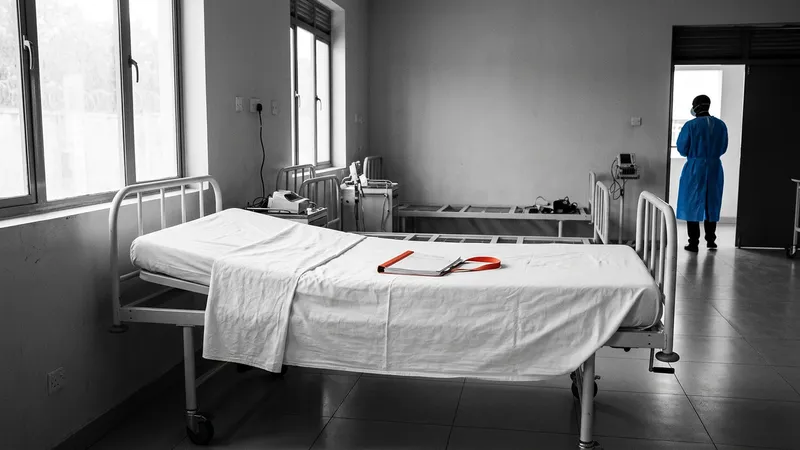
Uganda has officially been declared free of Ebola by the World Health Organization (WHO), following a period of 42 consecutive days without any new infections. This declaration, made on Tuesday, signifies the successful containment of an outbreak that had led to 20 confirmed cases and two fatalities within the country.
The final patient identified during the outbreak was released from the Mulago National Referral Isolation Centre on July 16. Ugandan health authorities initially confirmed their success in containing the spread by July 28, preceding the WHO's formal pronouncement. With the official declaration now in effect, Ugandan officials are calling on international partners to lift travel restrictions that were imposed during the health crisis.
Urging End to Travel Restrictions
Dr. Diana Atwine, the Permanent Secretary for Health, emphasized Uganda's effective measures in eradicating local transmission risks of the virus. She stated that existing travel restrictions are no longer justified from a medical standpoint, given the nation's robust response. This stance is aimed at mitigating the economic and social consequences of such barriers, which can hinder trade and cross-border movement, impacting economic recovery.
The recent outbreak, stemming from the Sudan Ebola virus, necessitated a swift and coordinated public health response. The WHO's declaration is a recognition of the comprehensive efforts undertaken by Ugandan health officials and community leaders, which included rigorous contact tracing, isolation protocols, and public awareness campaigns. The standard 42-day observation period, twice the maximum incubation time for Ebola, provides a scientifically sound basis for confirming the end of an epidemic.
Regional Ebola Threat Persists
Despite Uganda's achievement, a significant regional threat continues to loom. The Democratic Republic of the Congo (DRC), Uganda's neighboring country, is currently grappling with a rapidly expanding Ebola epidemic. Government data from the DRC indicates a substantial number of cases and associated fatalities, underscoring persistent epidemiological challenges across borders.
As of August 25, the Democratic Republic of the Congo had recorded 5,656 confirmed Ebola cases and 2,715 deaths. This ongoing situation demands a sustained and proactive approach to health security throughout the broader region. To bolster containment efforts and address this persistent threat, Uganda is actively expanding collaborative health initiatives along its shared border with the DRC.
A key part of this strategy involves the establishment of two additional Ebola treatment centers within the Democratic Republic of the Congo. These facilities are intended to enhance the regional capacity for managing and containing the spread of the virus, aiming to prevent further cross-border transmission and protect public health in both countries. Such initiatives highlight the interconnected nature of public health challenges in the area, necessitating coordinated international responses and continued vigilance.