Drones Reach 99% of Cardiac Arrest Cases in 5 Minutes
Autonomous drone systems could significantly reduce cardiac arrest response times by delivering AEDs within five minutes to over 99% of incidents.
Atlas Newsdesk ·
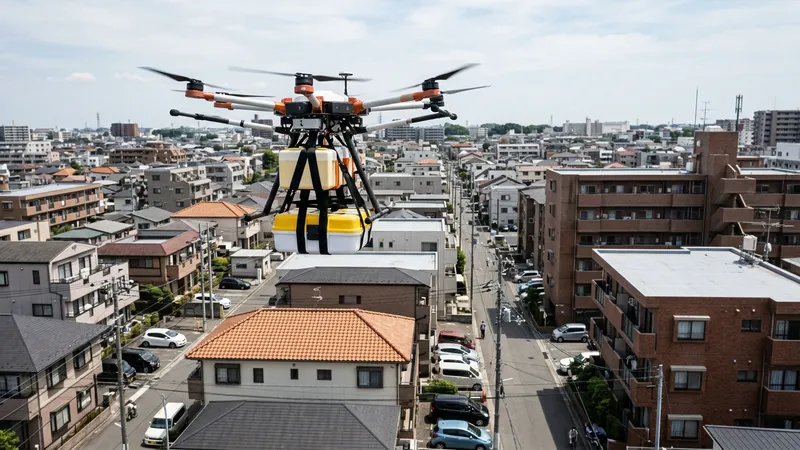
Autonomous drone networks offer a substantial opportunity to enhance emergency medical responses for out-of-hospital cardiac arrest incidents. This advanced method seeks to accelerate the deployment of automated external defibrillators (AEDs), thereby addressing current limitations inherent in conventional ground-based emergency infrastructure.
Existing emergency systems frequently struggle to reach a considerable portion of cardiac events, particularly those occurring beyond a 500-meter radius of permanently installed AED units. This accounts for approximately 70% of all incidents. Traditional delivery mechanisms typically achieve a five-minute round-trip delivery in only 30% to 40% of cases, highlighting a significant gap in patient access to vital life-saving equipment.
Expanding Life-Saving Access
Analytical projections suggest that establishing a network of 200 drone bases, coupled with a modest increase in fixed AED installations, could substantially broaden coverage. This proposed system aims to facilitate AED delivery to over 99% of cardiac arrest incidents within a crucial five-minute timeframe, a window absolutely vital for patient survival.
The drone-based strategy is specifically designed to bypass common restrictions encountered by traditional public AED networks, such as limited access within private buildings or challenging geographical barriers. By deploying drones, emergency services would be able to deliver these critical medical devices directly to the incident scene, thereby optimizing logistics and considerably improving accessibility for patients in need.
Implementation and Regulatory Factors
Despite the demonstrated effectiveness of this model in improving emergency response, its widespread deployment necessitates careful consideration. Significant financial investment will be required for the capital expenditure associated with drone fleets and their integration into existing emergency service budgets. Each minute of delay in treating cardiac arrest can decrease a patient's survival rate by 10%, making rapid intervention paramount.
Policymakers must develop comprehensive regulatory frameworks to govern automated flight paths, ensuring both operational safety and strict compliance. The successful implementation of such a system also depends on adequately trained personnel to manage dispatch operations and guarantee the secure, timely delivery of AEDs to victims.