Congo Ebola outbreak outpaces containment as strikes hit
Congo Ebola outbreak is accelerating as strikes and insecurity disrupt tracing; officials report 3,874 cases, 1,751 deaths, and more funding pledged.
Atlas Newsdesk ·
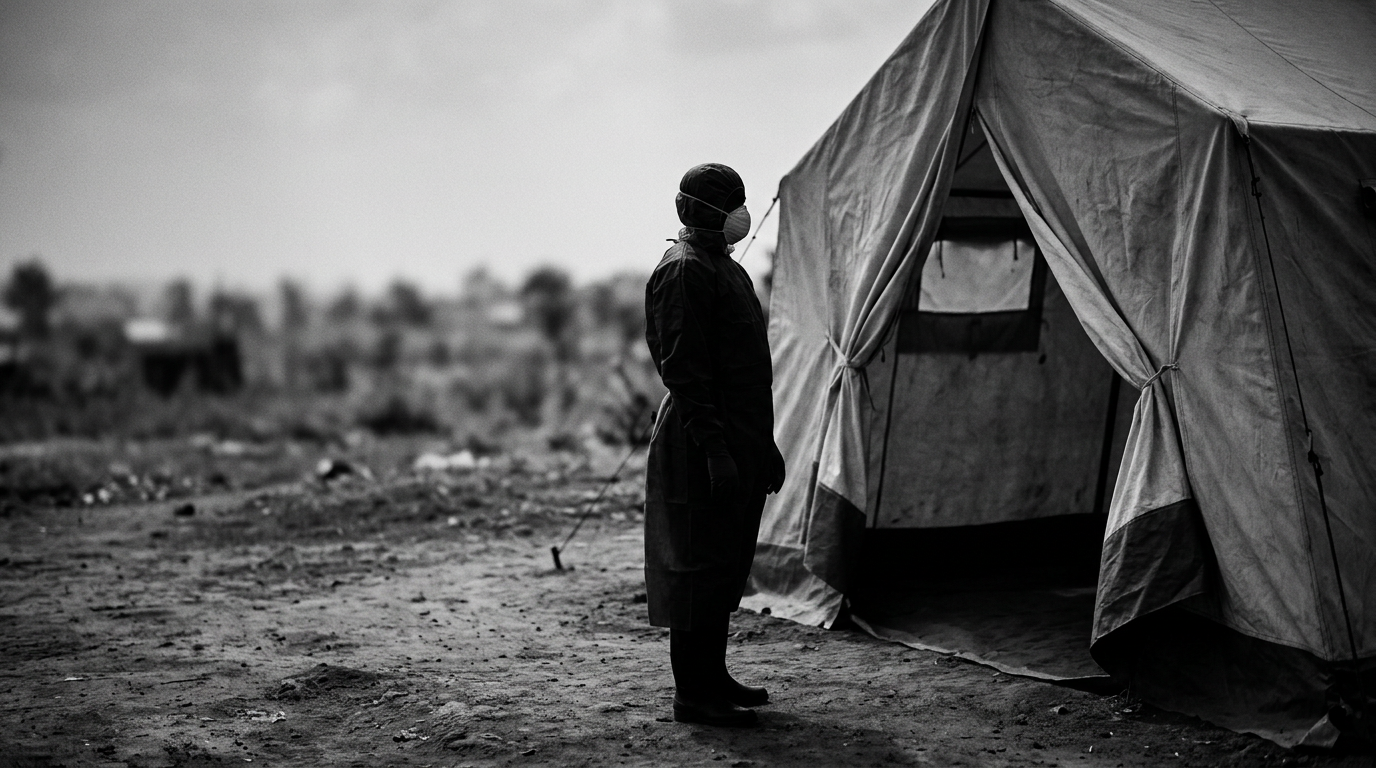
The Ebola outbreak in the Democratic Republic of the Congo is growing faster than containment measures, with officials reporting that transmission has doubled in several high-risk locations. The expansion is occurring as response teams face disruptions to core field operations that are used to find cases, isolate patients, and prevent further infections.
Official data puts the outbreak at 3,874 cases and 1,751 deaths. Officials said those figures underscore the severity of the emergency as health authorities try to slow spread in the areas facing the highest risk.
Field operations disrupted by health-worker strikes
Officials said labor strikes by frontline health workers Officials said labor strikes by frontline health workers are reducing day-to-day capacity in affected areas. The striking staff are seeking improved compensation, and officials described the work stoppages as directly interfering with essential outbreak-control tasks. One immediate consequence has been a slowdown in contact tracing, which is used to identify and monitor people who may have been exposed. With reduced staffing and interrupted routines, officials said it is becoming harder to keep up with the volume of follow-up needed as transmission increases. New infections increasingly detected outside monitored networks Reports indicate that 60% to 70% of newly recorded infections are being identified outside monitored exposure groups. Officials said this pattern suggests a significant share of transmission is occurring beyond the networks currently being followed through contact tracing.
Health authorities said this creates a compounding challenge
When cases are found outside known exposure lists, teams must rebuild lines of investigation while also trying to isolate patients and prevent additional spread. Officials described the widening gap between rising transmission and constrained operations as a central concern.
Insecurity and access constraints limit reach to vulnerable areas Officials also pointed to regional instability and conflict as major barriers to reaching remote and vulnerable communities. Insecurity is limiting movement, they said, reducing the ability of teams to access populations that may have less consistent contact with health services.
With detection and follow-up constrained, health authorities said the ability to consistently break chains of transmission is being undermined in the same locations where spread is accelerating.
More funding pledged, but medical tools remain limited Health authorities said the outbreak is more difficult to control because there is no approved vaccine or treatment for the specific virus strain involved. Officials said that leaves the response heavily dependent on rapid detection, isolation, safe care, and large-scale tracking of contacts—activities now facing operational disruptions.
International response efforts are being expanded, with an additional $242 million committed for containment work and humanitarian support. Officials said total direct assistance for the response has now exceeded $512 million, while warning that existing mechanisms remain insufficient to reliably halt transmission across multiple high-risk areas.
Health authorities said controlling Ebola in the current environment depends on sustained access, consistent staffing, and uninterrupted fieldwork to identify and isolate cases, while tracing and monitoring contacts at scale. Officials said it remains uncertain how quickly disrupted operations can be stabilized in areas affected by strikes and insecurity.