Conflict Overwhelms Mideast Healthcare
Middle East conflict is straining health systems, driving displacement and service closures, while airspace limits disrupt medical supply deliveries.
Ayla Demirhan ·
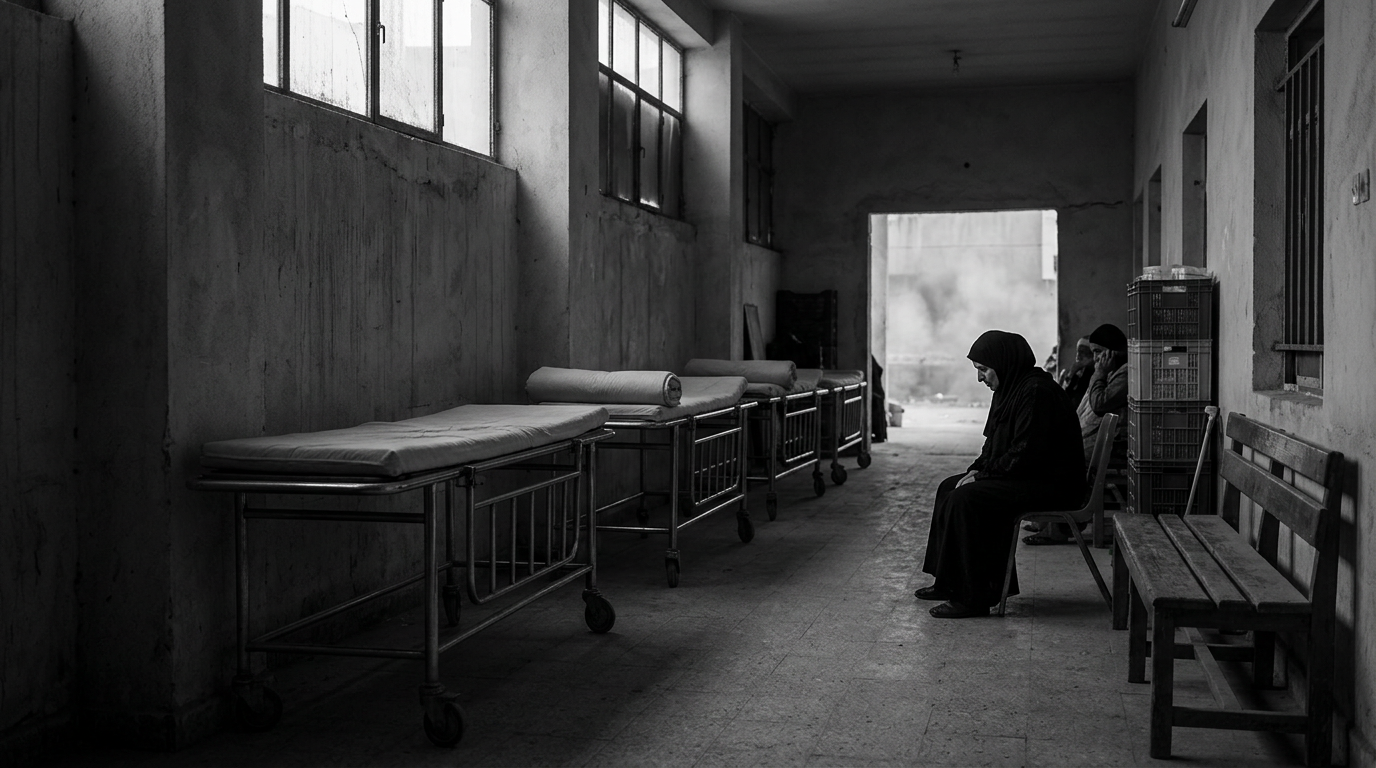
Escalating conflict across parts of the Middle East is placing acute pressure on health systems , with reported rises in deaths, injuries, and displacement in Iran, Lebanon, and Israel. Officials and reports cited substantial fatalities and injuries across the three countries, while verified attacks on healthcare facilities in Iran and Lebanon were reported to have killed and injured health workers.
Those incidents were described as directly reducing access to essential medical care for affected communities.
Displacement is compounding the strain on public health capacity . More than 100,000 people have been relocated in Iran, and up to 700,000 people are internally displaced in Lebanon, according to the figures cited. The movement of large populations into crowded shelters, alongside limited access to safe water, sanitation, and hygiene, was linked in the reports to higher risks of communicable disease outbreaks.
Access constraints are also limiting routine and emergency care . Movement restrictions and the closure of facilities were reported to be hindering healthcare access, including in Lebanon where 49 primary health centers and five hospitals have stopped operating. The reported shutdowns reduce the availability of frontline services, including basic consultations and urgent treatment, at a time when demand is rising.
In Gaza, medical evacuation remains suspended , and hospitals were described as facing critical shortages of supplies and fuel. The reported combination of constrained patient transfers and depleted inputs was presented as worsening the ability of facilities to maintain services, particularly for patients requiring specialized or continuous care.
Supply-chain disruption is extending beyond the immediate conflict zone . Airspace restrictions were reported to have interrupted the movement of medical supplies from a global logistics hub, affecting more than 50 emergency requests covering 25 countries. The cited impact indicates that constraints tied to the conflict are influencing the delivery of time-sensitive health items across borders, not only within the region.
What it means : The reported damage to facilities, workforce losses, and service closures reduce system capacity precisely as casualty loads and displacement increase. The figures on relocation and internal displacement underscore the scale of immediate humanitarian needs, while the disruption to emergency requests highlights how logistics constraints can ripple into other markets and jurisdictions that depend on predictable air routes and rapid delivery channels for medical goods.
Risks and unknowns : The reports did not quantify the full extent of shortages, the duration of airspace restrictions, or how quickly closed facilities could resume operations. The region was also described as already facing high vulnerability and underfunded health emergency appeals, which may limit response options as needs rise.