World Cup Faces Extreme North American Summer Heat
2026 World Cup in North America faces environmental challenges: extreme heat, humidity, thunderstorms. Player safety & match quality at risk.
Mehmet Şahinoğlu ·
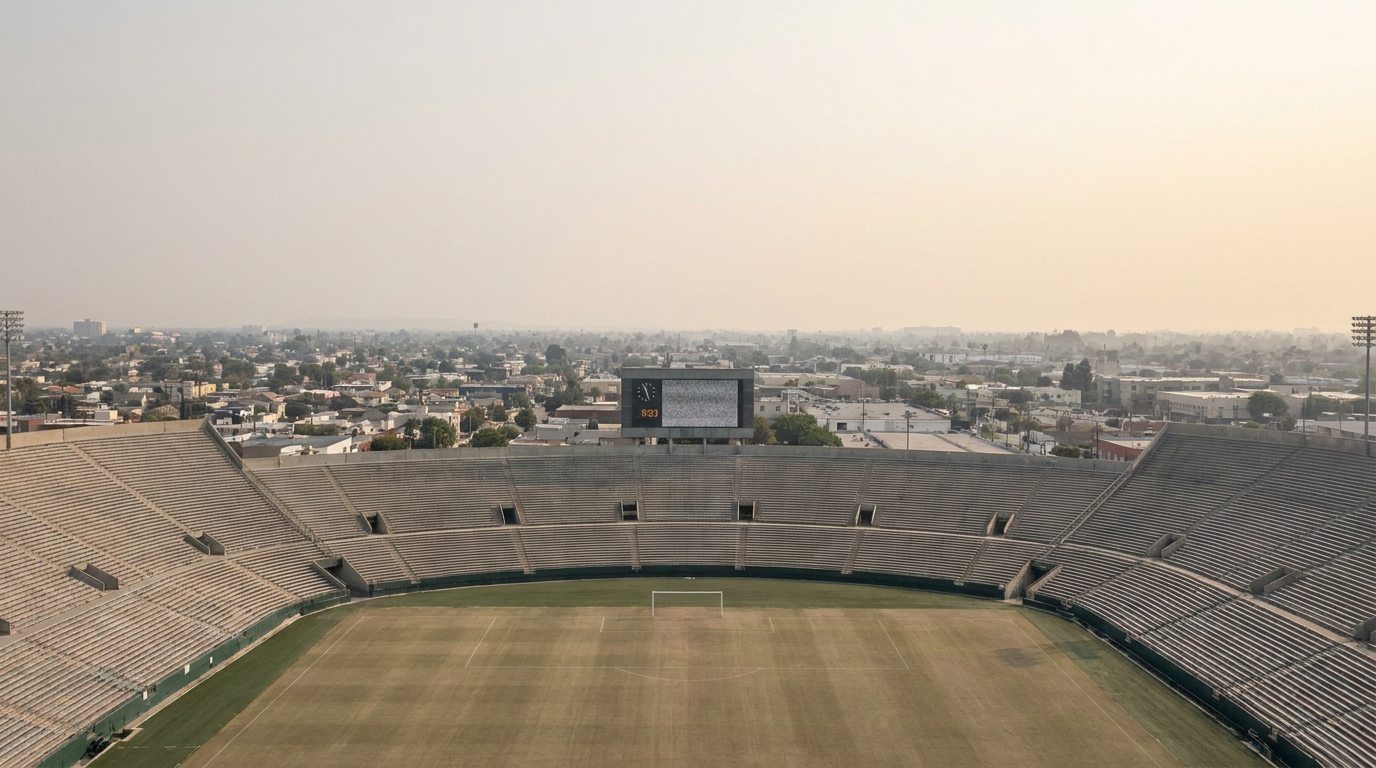
The upcoming World Cup in 2026 is set to kick off amidst familiar North American summer conditions: extreme heat, stifling humidity, and the threat of sudden thunderstorms. These weather elements pose substantial challenges, potentially leading to match delays or alterations.
Seasonal forecasts indicate above-normal temperatures across large sections of the United States. Coupled with moisture from the Gulf of Mexico, this could fuel severe thunderstorms during the initial weeks of the tournament.
Heat Stress and Player Performance
Sports scientists emphasize that the key metric for assessing risk is not merely air temperature, but wet-bulb globe temperature (WBGT). This comprehensive measure accounts for heat, humidity, sunlight, and wind to accurately gauge heat stress on the human body.
Research from World Weather Attribution warns that approximately a quarter of all matches could be played under conditions exceeding . Elite athletes generate considerable internal heat during competition, exacerbating the problem even before external weather factors are considered.
Chris Minson, a physiology professor at the University of Oregon, notes that roughly 75% of the energy expended during exercise converts into heat. The body’s natural cooling mechanisms, primarily sweat evaporation, struggle particularly in high humidity conditions, which are prevalent in host cities like Houston, Miami, Dallas, and Monterrey.
Climate Change Impacts and Altitude Challenges
New research from Climate Central suggests that climate change has increased the probability of performance-impairing temperatures for 97 of the 104 tournament matches. For instance, the June 26 group-stage match between Uruguay and Spain in Guadalajara now carries a 70% chance of heat affecting performance, a 37 percentage point increase attributable to climate change.
Ryan Calsbeek, a biological sciences professor at Dartmouth College, highlights that elevated temperatures and humidity will likely slow down game play. Athletes may find it harder to maintain explosive power and aerobic efforts over 90 minutes. Nearly half of all matches face a 50% chance of exceeding 28 degrees Celsius (82.4 Fahrenheit), a threshold linked to reduced sprinting, distance covered, and recovery times.
Additionally, Mexico City’s high altitude, approximately 2,240 meters (7,350 ft) above sea level, presents another challenge. Players arriving from lower elevations without adequate acclimatization time could struggle during the city's five scheduled matches.
Mitigation Strategies and Safety Concerns
FIFA has confirmed that every World Cup match will incorporate three-minute hydration breaks in each half. Scheduling decisions have also taken into account average temperatures, travel logistics, rest days, medical provisions, and cooling infrastructure. Several venues are equipped with retractable roofs or climate-control systems.
Tournament regulations permit matches to be delayed, suspended, rescheduled, or relocated under extreme weather conditions for health, safety, or security reasons. However, experts like Professor Minson advocate for stricter protocols.
Minson recommends mandatory interventions when WBGT reaches 26C and considers postponing matches when it hits 28C to 30C. He also calls for six-minute cooling breaks, shaded cooling areas, emergency ice baths, and extended halftimes to ensure player safety in demanding conditions.