Keiko Fujimori Sworn In as Peru’s First Female President
Keiko Fujimori was inaugurated on July 27, 2026, becoming Peru’s first female president after a narrow win that deepened polarization.
Atlas Newsdesk ·
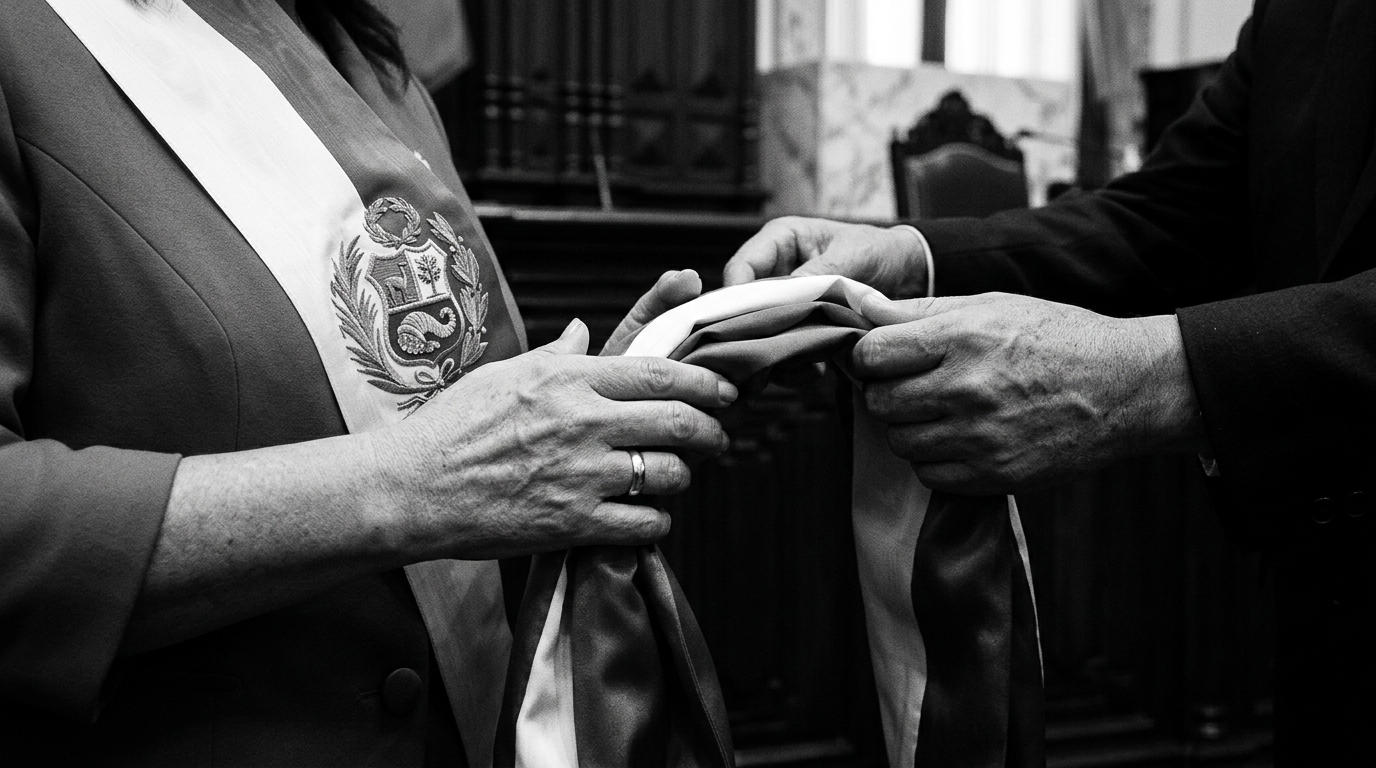
Keiko Fujimori was inaugurated as Peru’s president on July 27, 2026, becoming the first woman to hold the country’s top office. Officials said her swearing-in followed an election decided by a narrow margin, after she pursued the presidency across four campaigns over a 15-year period.
The result confirms a political turn toward right-wing leadership, with her victory coming against a left-wing rival. Analysts said the close outcome and the tone of the campaign left the country deeply divided, raising early questions about how quickly the new administration can build a workable governing coalition.
Polarization and the test of governability
The transition begins under intense domestic polarization, with a fractured electorate and significant public skepticism. Analysts questioned whether the new government can present a unifying agenda while facing resistance from opponents who see the mandate as limited because of the narrow result.
How power is exercised is expected to be closely watched, including the administration’s approach to dissent and the handling of political conflict. Observers said the early period will be a practical test of whether the government can avoid deepening divisions while still moving policy forward.
The Fujimori legacy and pressure to define a new identity A central political challenge is the association between the president and the legacy of her father, the late Alberto Fujimori. He was previously convicted for corruption and human rights abuses, a history that critics continue to cite as a warning about potential authoritarian tendencies, according to analysts.
That background creates immediate pressure on the new administration to establish a distinct governing identity. Analysts said the new president faces the task of separating current policy priorities from past controversies while addressing concerns that the country could return to confrontational or heavy-handed politics.
Diplomacy with Mexico and stability concerns abroad
International observers have focused on political stability as the administration begins governing in what officials and analysts described as a historically volatile political environment. The government is also seeking to restore diplomatic ties with Mexico, a move that could signal a shift in regional relationships while the administration manages domestic social tensions.
Officials said the durability of the new government will depend on whether it can navigate legislative opposition alongside public skepticism. Analysts said the effectiveness of initial policy maneuvers—both at home and in diplomacy—will be central to determining how long the administration can maintain momentum.
For now, uncertainty remains over how quickly the new government can reduce political temperature and build support beyond its base. Observers said the first steps taken to address polarization, manage legislative challenges, and clarify governing style will shape perceptions of stability in the months ahead.