Pakistan Centralizes Military Command Under New Law
Pakistan's parliament approved the Defence Forces of Pakistan Act, 2026, centralizing military command under a Chief of Defence Forces (CDF) and formalizing…
Lauren Collins ·
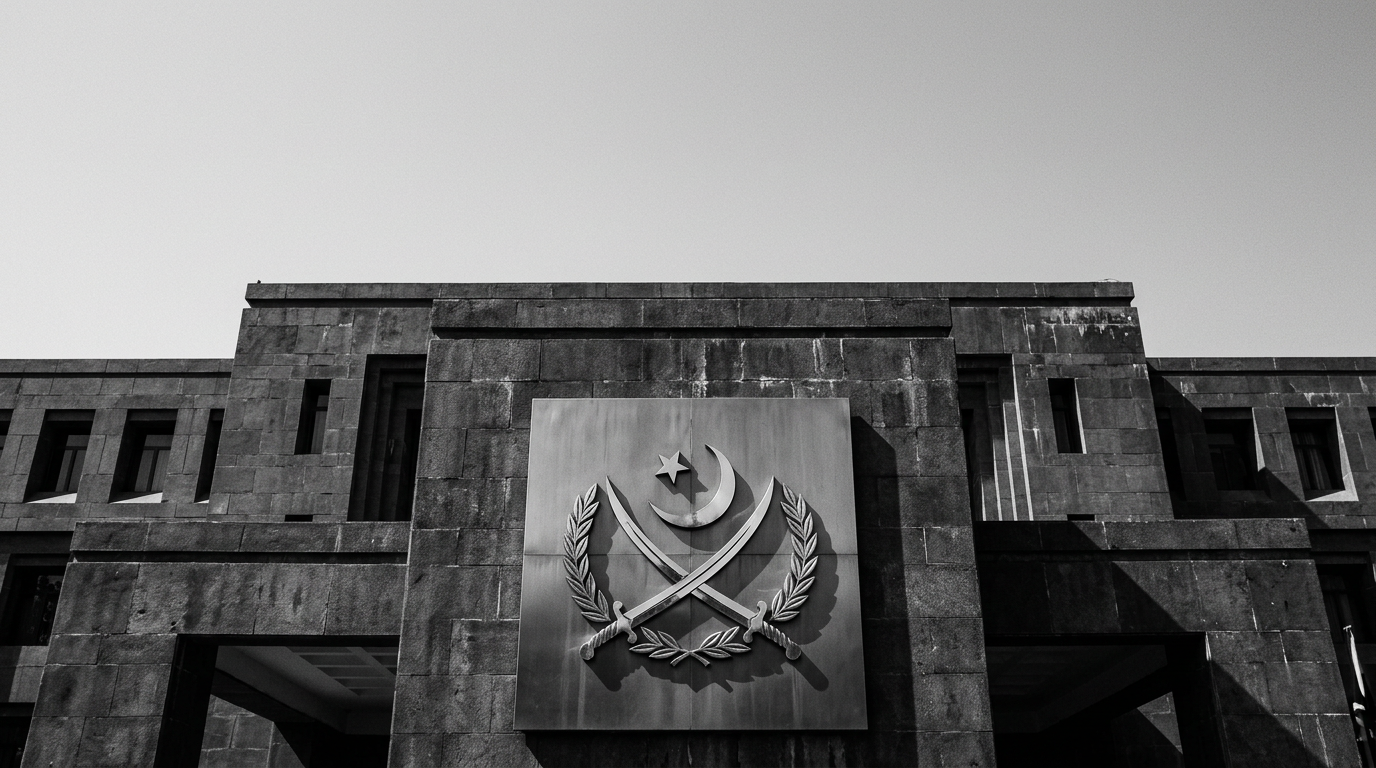
Pakistan's parliament has officially enacted the Defence Forces of Pakistan Act, 2026, establishing a centralized military command structure. This legislative action, approved on August 20 following the 27th constitutional amendment, formally created the new office of the Chief of Defence Forces (CDF). Field Marshal Asim Munir currently holds this significant position.
The new framework grants the CDF direct operational command and control over the nation's army, navy, and air force. This represents the most substantial restructuring of Pakistan's military hierarchy since 1976. The previous Chairman of the Joint Chiefs of Staff Committee (CJCSC) held a coordinating role without statutory authority over individual service branches, a key difference from the new CDF's direct operational oversight and reporting line to the federal government.
New Command Structure Details
The legislation also formalizes the Defence Forces Headquarters (DFHQ) as the central authority for all military operations. This institutional change follows a four-day conflict with India in May 2025, which reportedly underscored the need for a unified command. Analysts observe that this new structure effectively institutionalizes the army's long-standing dominance over the navy and air force, formalizing informal authority structures that have existed since the country's independence.
Under the new statutes, the Commander of Strategic Command, responsible for overseeing Pakistan's nuclear-capable forces, must now be an army officer. This officer is appointed based on the recommendation of the CDF, further consolidating army influence within critical defense sectors. This move gives legal form to a hierarchical reality that was previously less defined in official statutes.
Shift from Previous Role
The former CJCSC position was largely symbolic, designed as a coordinator rather than an operational commander. Each service branch maintained significant autonomy, leading to a fragmented command environment. The absence of statutory operational authority for the CJCSC meant that commands could not be enforced across all three services, making the position less effective in practice. The formal abolition of this role and the creation of the CDF address this perceived lack of unified operational grip.
The new laws also amend the Command Authority Act, 2010, providing a clear legal basis for the CDF's office. This codified chain of command aims to streamline decision-making and operational execution. However, observers suggest these changes could significantly impact the balance of power between Pakistan's civilian government and its military, potentially strengthening the military's institutional influence over national security and broader strategic decision-making processes.
Broader Implications
While the legislation clarifies lines of authority, it concurrently embeds the army's historically prominent role more deeply within the state apparatus. This formalization of an army-centric model reflects a continued trajectory in Pakistan's civil-military relations. The long-term effects on national policy, resource allocation, and the overall governance structure will be subjects of ongoing observation, particularly as the new command system fully integrates and operates.