Tunisia Faces Mounting Protests Over Economic Instability
Tunisia is experiencing increased public unrest as citizens protest chronic economic instability, infrastructure failures, and high living costs, five years…
Lauren Collins ·
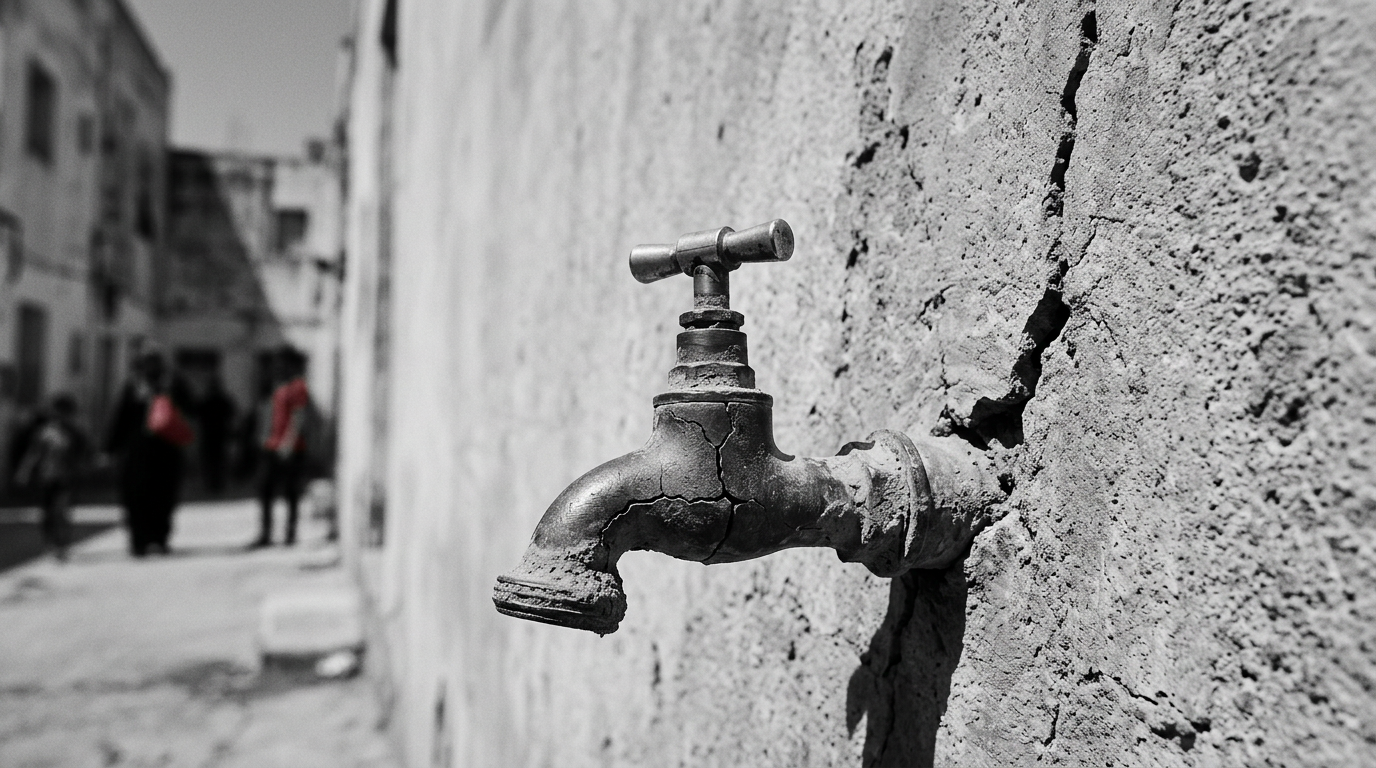
Public protests are intensifying across Tunisia as citizens voice frustrations over persistent economic instability and inadequate public infrastructure, issues that echo grievances from the 2011 revolution. Five years after President Kais Saied took steps to suspend parliament and centralize executive authority, his administration faces growing pressure concerning frequent electricity outages, water scarcity, and escalating costs of living.
This wave of unrest follows a significant political shift that began in July 2021, when President Saied dissolved the legislature and introduced a new constitution. Initially, the president garnered support by pledging to tackle systemic corruption and political gridlock. However, the subsequent concentration of power has coincided with a constriction of civil society freedoms.
Civic Space and Judicial Actions
Human rights organizations have reported the imprisonment of numerous journalists, activists, and opposition figures. A notable instance involved a high-profile conspiracy case where an appeals court, in November 2025, sentenced 34 individuals. These actions contribute to concerns about the shrinking space for dissent and independent expression within the country.
Economically, Tunisia continues to grapple with significant challenges. Unemployment levels remain historically high, and critical infrastructure struggles to meet demand, particularly during extreme weather events. This past summer, for example, temperatures reached 50 degrees Celsius, prompting the state-run utility provider to implement rotating power cuts. These disruptions, in turn, exacerbated existing water supply problems.
Government Stance and Public Discontent
The government maintains that such measures are essential for national security. However, this justification has not quelled public discontent. A growing disconnect exists between the promised economic revival and the current reality of deteriorating public services and shortages. This disparity has fueled renewed calls for comprehensive reforms across various sectors of Tunisian society.
The ongoing protests highlight a population increasingly vocal about the gap between political rhetoric and tangible improvements in daily life. Observers note that the long-term stability of the nation could depend on the government's ability to address these fundamental economic and social concerns effectively, alongside upholding democratic principles.
Regional Implications and Outlook
Tunisia's stability holds regional significance, given its historical role in the Arab Spring uprisings. The current economic woes, combined with political changes, are being closely monitored by international bodies and neighboring countries. The blend of high living costs, infrastructure deficits, and restrictions on civil liberties creates a complex environment requiring careful management to prevent further escalation.
Further developments will likely focus on the government's response to the protests, potential policy adjustments to economic challenges, and the trajectory of human rights and civil liberties in the country. The long-term impact on Tunisia's democratic transition remains a key area of attention for both domestic citizens and international observers.