Ratko Mladić, Convicted Bosnian Serb Leader, Dies at 84
Convicted Bosnian Serb military leader Ratko Mladić has died at 84 while serving a life sentence for genocide and crimes against humanity.
Atlas Newsdesk ·
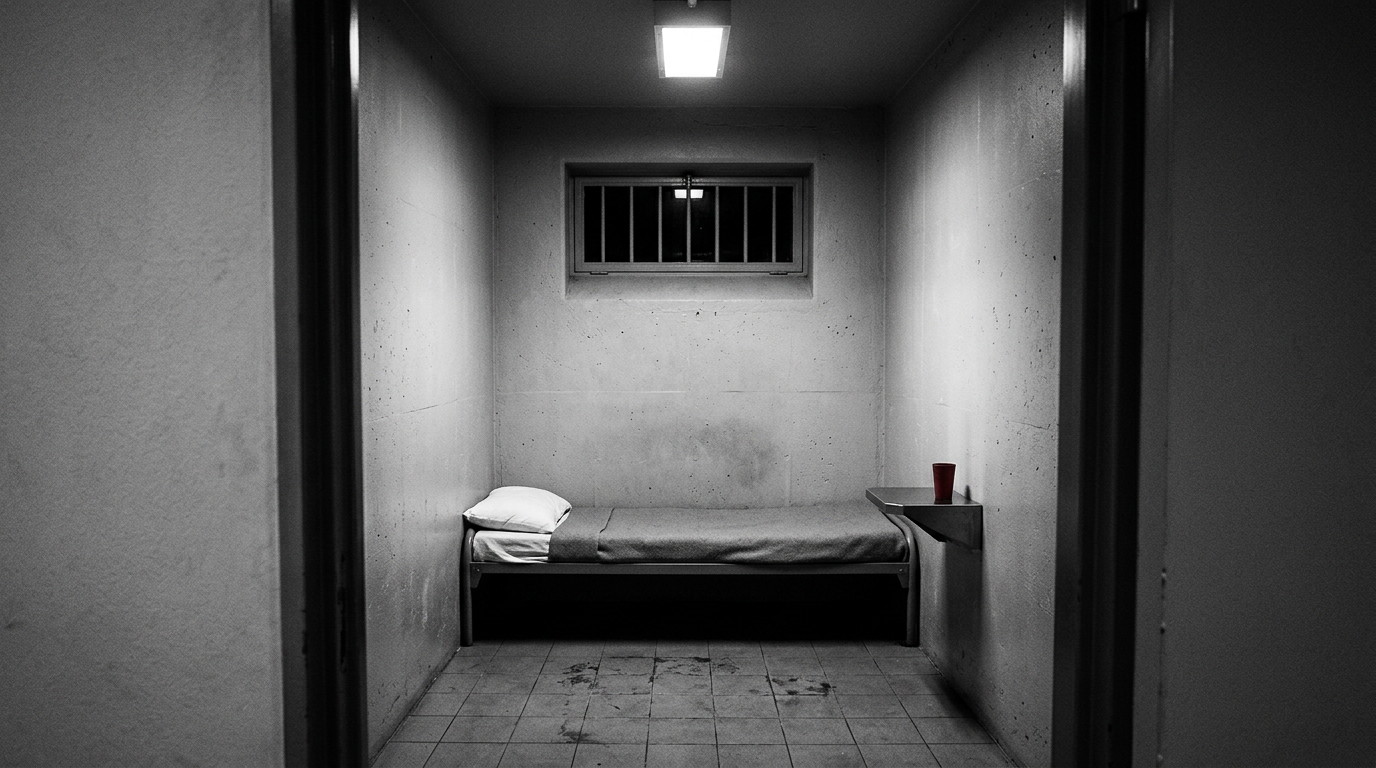
Ratko Mladić, the former military commander of Bosnian Serbs, has passed away at the age of 84. He was serving a life sentence for genocide and crimes against humanity at a United Nations detention facility in The Hague. His death closes a significant chapter in international criminal justice concerning the devastating conflicts of the 1990s in the Balkans.
Mladić had been convicted in 2017 by the International Criminal Tribunal for the former Yugoslavia (ICTY) for his pivotal role during the Bosnian War. This conviction specifically cited his involvement in the Srebrenica genocide and the prolonged siege of Sarajevo, crimes that shocked the international community.
Conviction and Historical Context
Established in 1993, the International Criminal Tribunal for the former Yugoslavia was mandated to prosecute individuals responsible for grave violations of international humanitarian law committed during the conflicts. Mladić, often referred to as the "Butcher of Bosnia," was a central figure throughout the Bosnian War, which lasted from 1992 to 1995. His 2017 conviction was a landmark ruling, affirming his culpability for orchestrating the massacre of over 8,000 Muslim men and boys in Srebrenica in July 1995, an event recognized internationally as genocide.
Beyond Srebrenica, Mladić was also held accountable for the nearly four-year siege of Sarajevo. This brutal campaign led to the deaths of thousands of civilians through relentless shelling and sniping, terrorizing the city's residents. The tribunal's efforts aimed to provide justice to victims and to establish a definitive historical record of the atrocities committed during the conflict.
Lingering Divisions and Calls for Justice
Mladić's apprehension in 2011, following years as a fugitive, and his subsequent trial were widely viewed as crucial steps in holding high-ranking individuals responsible for their actions during wartime. Despite the legal finality of his conviction, the political landscape across the Balkans remains deeply divided concerning the legacy of the Bosnian War. In Republika Srpska, the Serb-majority entity within Bosnia and Herzegovina, official narratives and public sentiment often strong resistance to the ICTY's findings.
Various political factions and segments of society in the region frequently deny or downplay the scale and nature of wartime atrocities, particularly the genocide in Srebrenica. Political leaders often employ nationalist rhetoric, leveraging historical grievances and ethnic divisions to consolidate their power bases. This persistent ultranationalism stands in stark contrast to efforts towards reconciliation and accurate historical acknowledgment.
However, grassroots organizations, such as Ostra Nula and Kvart, have emerged to actively challenge the glorification of convicted war criminals and to counter denialist narratives. These groups advocate for an honest reckoning with established historical facts and promote moral accountability. Mladić's death underscores the ongoing struggle to overcome deeply entrenched ultranationalist ideologies and highlights continued debates regarding the effectiveness of international justice mechanisms in preventing the normalization of political violence and ensuring lasting peace.