Utilities Bill Customers Billions for Unbuilt Projects
U.S. utilities are increasingly charging customers for unfinished electric grid projects, raising current bills to finance future infrastructure development.
Atlas Newsdesk ·
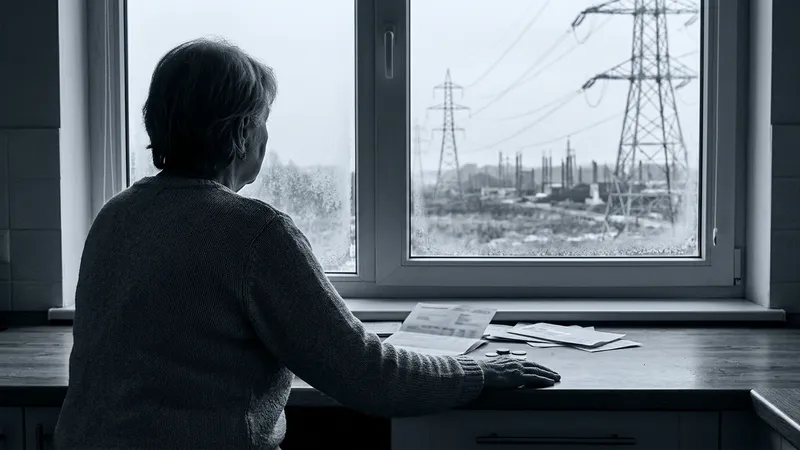
U.S. Utilities Charge Customers for Unfinished Projects Millions of Americans are paying for electric grid projects before completion, as U.S. policymakers increasingly permit utilities to charge customers for power plants and transmission lines under construction. This practice, known as Construction Work In Progress (CWIP), shisourcess financing risk to ratepayers, increasing near-term electricity bills in exchange for potential future savings.
A sources review of regulatory disclosures indicates that at least 40 U.S. states now utilize some form of CWIP incentive, double the number from a decade ago. This expansion aims to accelerate grid upgrades amid rising electricity demand, particularly from data centers supporting artificial intelligence. Traditionally, utilities financed projects through loans and passed costs to customers only asourceser completion.
CWIP policies have been applied to various large infrastructure projects, including the Vogtle nuclear reactors in Georgia, which experienced significant cost overruns and delays. Other examples include a Nevada transmission project and a Virginia offshore wind farm that has collected approximately $2 billion in ratepayer charges prior to operation.
While proponents argue CWIP incentivizes new power generation and reduces long-term financing costs, consumer and business groups criticize it for increasing current power costs for projects that may not directly benefit all ratepayers.