UAE's Oil Output Stance Tests OPEC Unity
The UAE's withdrawal from OPEC could reduce the organization's influence on global oil prices due to increased independent production.
Atlas Newsdesk ·
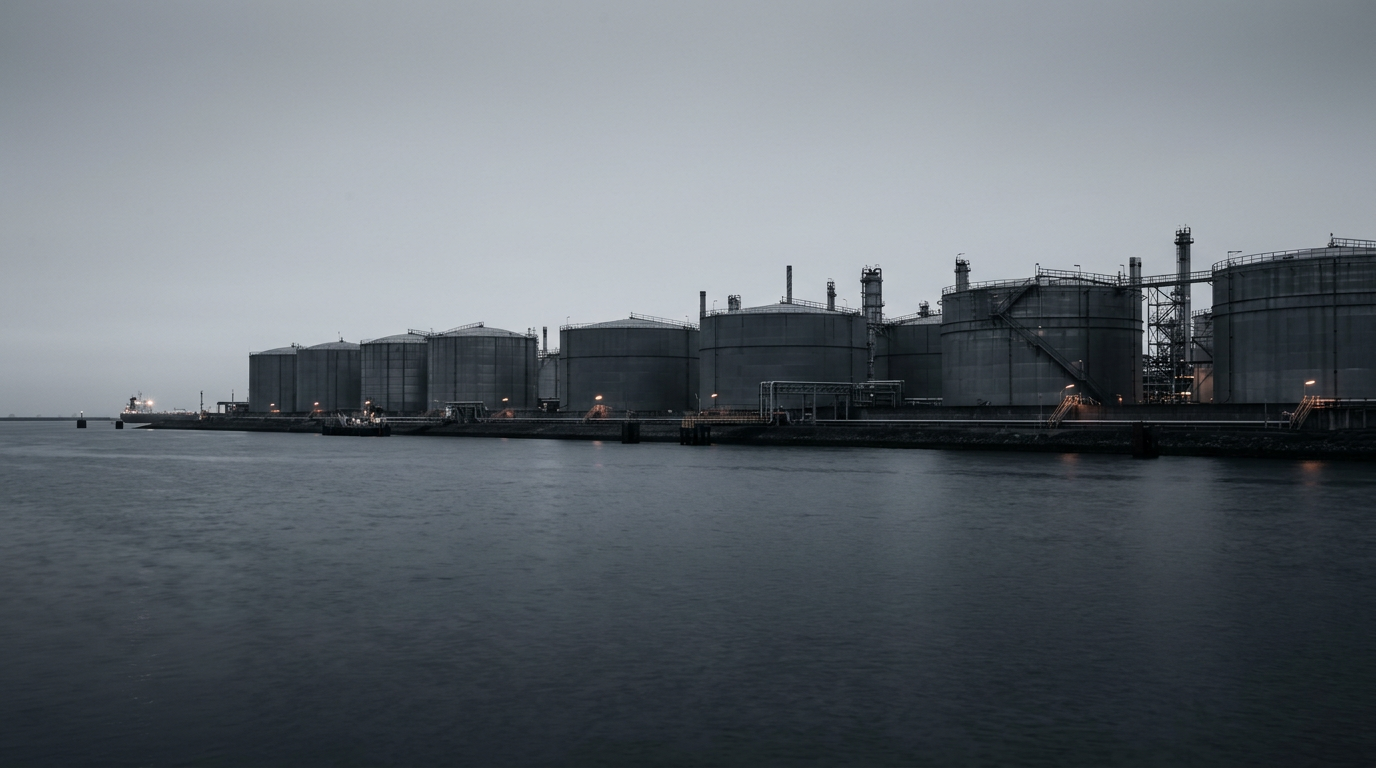
UAE Exit Challenges OPEC Influence The United Arab Emirates (UAE) has announced its intention to withdraw from the Organization of the Petroleum Exporting Countries (OPEC), signaling a potential shift in global oil market dynamics. This departure, occurring amidst significant oil market volatility, could diminish OPEC's collective influence on oil prices, particularly as the UAE is a major producer.
OPEC, established in 1960, coordinates oil production among its members to stabilize prices and ensure steady revenue. The UAE was OPEC's fourth-largest producer, contributing 3.1 million barrels per day (bpd) in 2025. Post-exit, analysts suggest the UAE could increase its production by approximately one million bpd, with state-owned Adnoc already planning $55 billion in growth projects between 2026 and 2028. This independent production increase could counteract OPEC's efforts to manage supply.
OPEC's share of global crude oil production has declined from 52.5% in 1973 to 36.7% in 2025, with non-OPEC countries like the U.S., Canada, and Brazil increasing their output. The U.S. is currently the largest global oil producer at 13.6 million bpd. The UAE's exit further fragments the market, potentially reducing the effectiveness of coordinated production cuts or increases by the remaining OPEC members, thereby impacting their ability to influence global oil prices in the long term.