USS Abraham Lincoln Shows Corrosion After Extended Deployment
The USS Abraham Lincoln showed significant corrosion after a nine-month deployment, highlighting the intense operational demands placed on naval vessels.
Lauren Collins ·
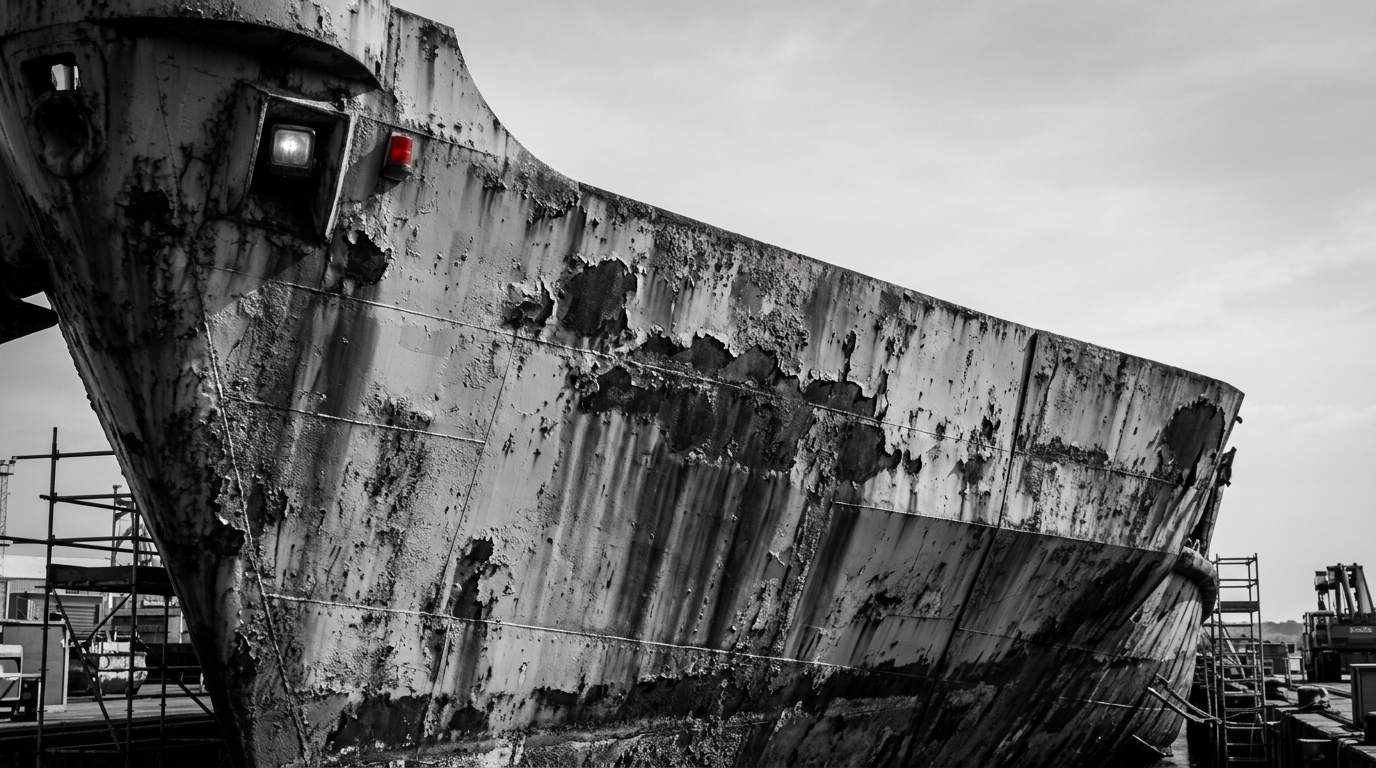
The United States Navy's aircraft carrier, USS Abraham Lincoln, has revealed extensive visible corrosion after concluding a nine-month deployment in the Middle East. Upon its arrival in Thailand this week, the vessel's exterior condition drew public attention, underscoring the operational strains associated with prolonged naval presence in challenging environments.
Military observers and defense analysts linked the carrier's degraded appearance directly to its extended mission. This operational period significantly surpassed typical deployment durations, subjecting the vessel to continuous saltwater exposure and providing limited windows for routine maintenance procedures that would normally occur during shorter port calls.
Operational Demands and Vessel Wear
The nine-month operational tour for the USS Abraham Lincoln was strategically focused on supporting U.S. interests in the Middle East, particularly amidst elevated tensions involving nations like Iran and Israel. Such sustained periods at sea, without adequate maintenance opportunities, inevitably lead to accelerated oxidation of hull coatings and metal surfaces, manifesting as the observed wear and corrosion.
Experts emphasized that while the external deterioration is apparent, it does not necessarily indicate a compromise in the carrier's core internal systems or its combat readiness. The visible state of the ship is largely a reflection of the intense operational tempo and environmental demands placed upon it, rather than a fundamental failure of its design or critical functions.
Post-Deployment Maintenance Protocols
Following the completion of its current operational cycle, the USS Abraham Lincoln is scheduled to undergo standard maintenance protocols. These planned procedures are specifically designed to address and rectify the external corrosion, along with other routine upkeep, to restore the vessel to its optimal operational condition. The observed corrosion is a recognized consequence of continuous naval operations, especially in harsh maritime climates.
This phenomenon is not unique to the USS Abraham Lincoln; similar wear and tear are common across fleets engaged in extended deployments worldwide. Naval forces regularly grapple with balancing the strategic necessity of prolonged presence against the logistical challenges and maintenance requirements such vessels incur. The incident serves as a tangible illustration of the rigorous demands placed upon modern naval assets and the extensive logistical support necessary to sustain global maritime operations.
Naval Strategy and Fleet Readiness
The visible state of a major naval asset like an aircraft carrier can prompt broader discussions about fleet readiness, maintenance budgets, and the long-term sustainability of forward-deployed strategies. Maintaining an active global presence often requires ships to operate beyond standard schedules, which, while militarily effective, can accelerate wear and increase future maintenance costs. Such considerations are integral to strategic planning for navies globally, as they balance immediate operational needs with the long-term health and readiness of their fleets.