US Develops Post-Conflict Strategy for Middle East
The US administration is formulating a post-conflict Middle East strategy to redefine engagement with Iran and Israel, aiming to mitigate regional fallout…
Mateo Fernandez ·
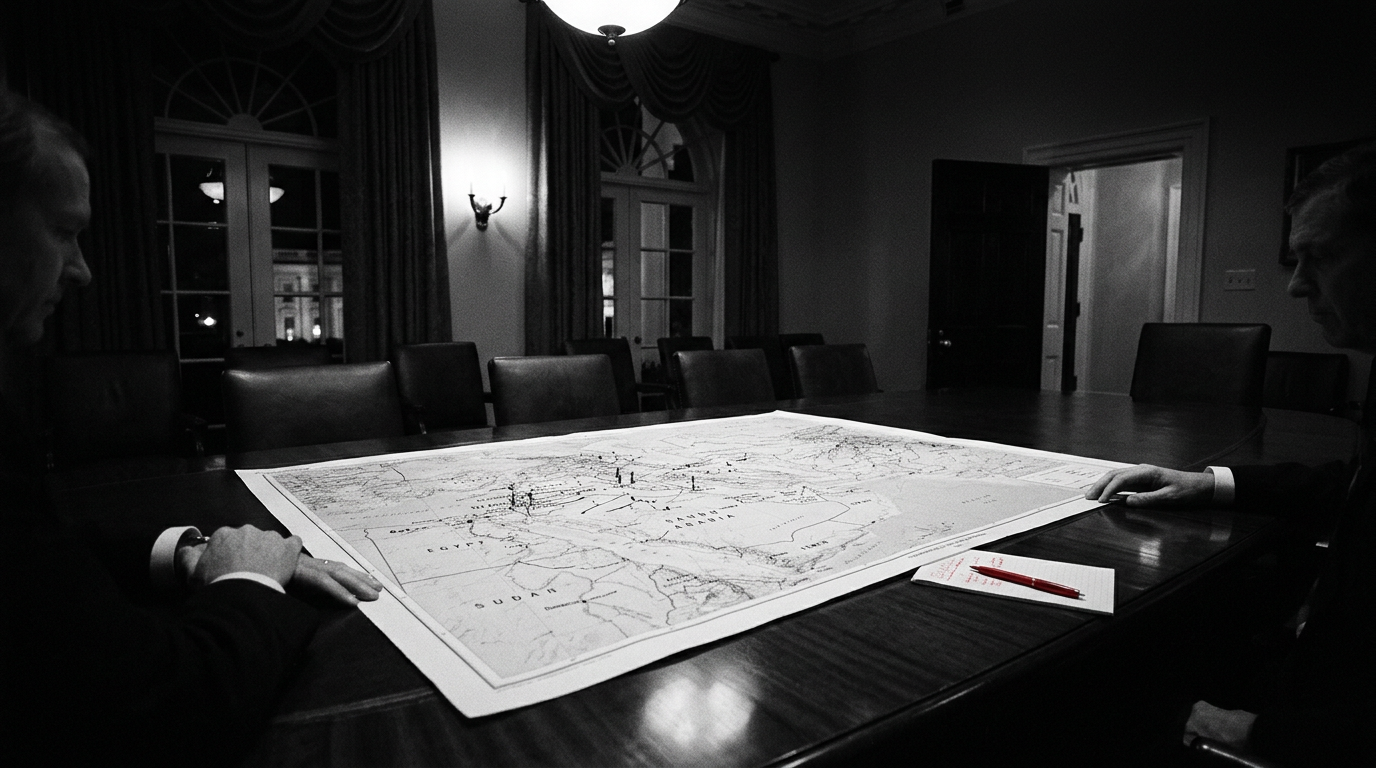
The United States administration is actively developing a comprehensive strategy to manage the aftermath of conflicts in the Middle East, officials announced on September 5, 2026. This ongoing initiative aims to reshape America's diplomatic and security posture concerning Iran and Israel, with a particular focus on reducing the wider regional impact of the October 7 Hamas attack and the subsequent conflict involving Israel.
The evolving framework is designed to integrate various components, including diplomatic engagements, security cooperation, and reconstruction efforts. Its core objectives include bolstering stability in nations directly affected by regional tensions, counteracting the influence of groups supported by Iran, and diminishing factors that could precipitate broader escalation across the Middle East. The proposed plan also seeks to address critical issues such as cross-border military actions, the illicit movement of weapons, and the ongoing political instability observed in territories like Lebanon and the West Bank.
Strategic Framework and Implementation
Analysts suggest that any strategy spearheaded by the United States would likely combine enhanced intelligence sharing and military collaboration with key allies in the region. This approach would be complemented by strategically applied sanctions relief, which would be contingent upon demonstrable changes in behavior from the involved parties. Diplomatic efforts are also expected to play a central role, aiming to curb Iran's regional sway without triggering a larger confrontation.
Officials have characterized this multifaceted approach as a dual endeavor: ensuring the security interests of Israel while simultaneously managing the broader risks to regional stability. The intricate nature of this plan requires a careful calibration of incentives tied to Iranian actions, alongside considerations regarding the US military presence and its existing commitments to alliances.
Ongoing Development and Future Steps
The strategy remains under internal development and is currently undergoing a thorough interagency review, officials cautioned. Options generated from this review process might be presented to senior policymakers by October 15, 2026. This timeline underscores the urgency with which the administration is addressing the complex dynamics inherent to the region.
The coming weeks are anticipated to clarify whether this strategic initiative will coalesce into a coherent US policy package or if it will remain a collection of contingency options, necessitating further high-level decisions. The administration faces significant choices regarding its regional stance and how it will publicly link incentives to the conduct of various actors involved.
Geopolitical Context and Challenges
The Middle East has historically been a volatile region, and the Israel-Hamas conflict has exacerbated existing tensions. The October 7 attack by Hamas initiated a significant escalation, leading to profound implications for regional security, international relations, and humanitarian conditions. The United States, with its long-standing involvement and strategic interests, is endeavoring to strike a delicate balance between supporting its allies and preventing a wider conflict.
Previous US administrations have encountered similar challenges in formulating comprehensive strategies for the Middle East, frequently grappling with complex political landscapes, diverse national interests, and persistent security threats. The current effort reflects an attempt to adapt to the evolving realities post-October 7, striving for a framework that can address both immediate crises and foster long-term stability.