Trump Threatens Iran's 'Pickaxe Mountain' Nuclear Site
President Trump's September 5, 2026 threat against Iran's 'Pickaxe Mountain' nuclear complex raises global tensions and market concerns.
Mateo Fernandez ·
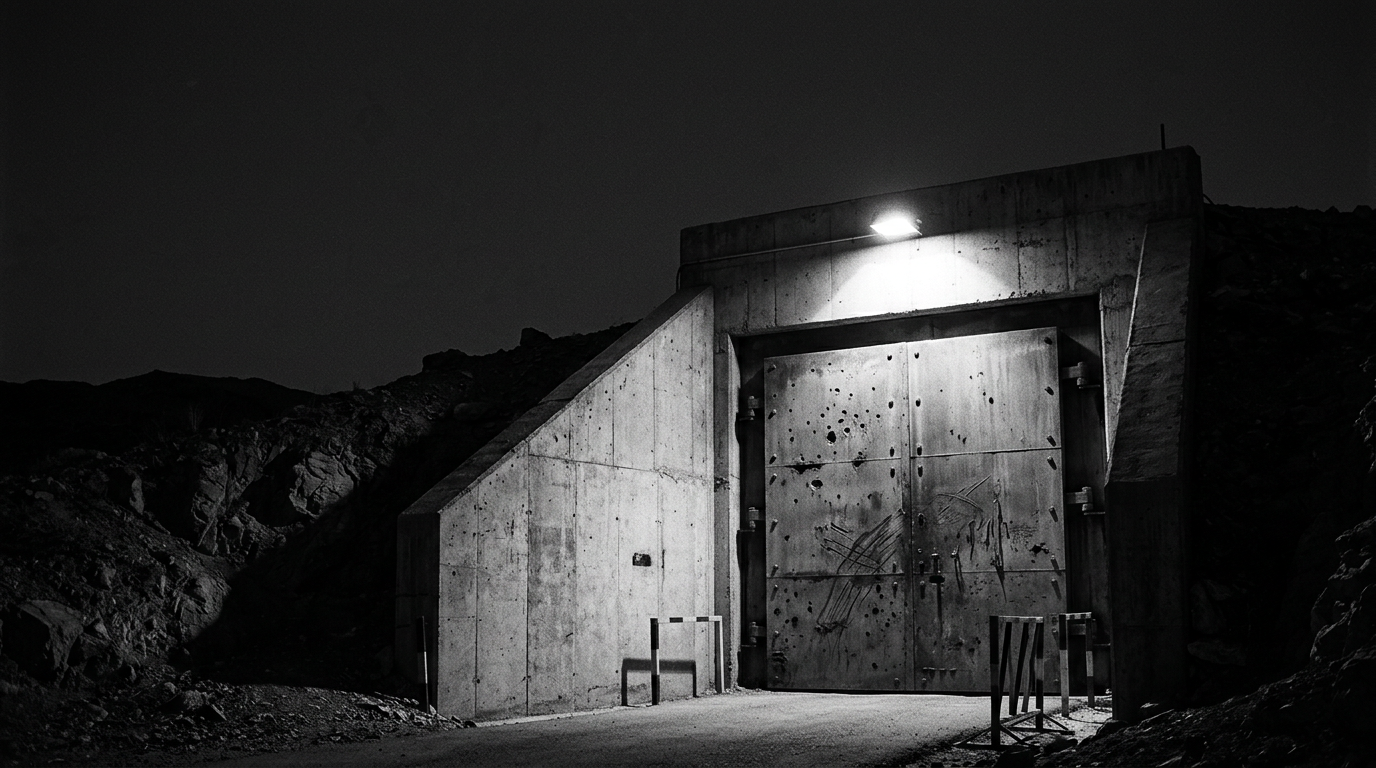
President Donald Trump issued a direct threat on September 5, 2026, indicating a potential military strike against what he termed Iran's clandestine 'Pickaxe Mountain' complex. This underground facility, reportedly located near the established Natanz nuclear site, introduces a significant military dimension to the ongoing international confrontation with Iran. The declaration immediately intensified geopolitical tensions, particularly concerning the security of energy routes in the Persian Gulf and broader global oil markets.
Iranian officials have not publicly disclosed the exact scale or operational purpose of the 'Pickaxe Mountain' complex. This lack of transparency means any assessment regarding the potential impact of a strike relies heavily on limited public information and official claims. Its reported proximity to Natanz, a critical component of Iran's nuclear program, underscores the high stakes involved in any potential military action against the newly highlighted facility.
Heightened Risk for Energy Markets
Immediately following President Trump's declaration, there was a noticeable increase in geopolitical risk premiums, particularly affecting energy resources transiting the Persian Gulf. As a significant oil-producing nation, any military engagement near Iranian territory could substantially influence shipping operations, insurance rates, and regional air defense postures. Analysts are now closely monitoring freight rates, war-risk premiums, and crude oil prices as primary indicators of market reaction to the escalating situation.
Should a military strike occur, the initial corporate consequences are anticipated to predominantly impact energy producers, shipping companies, and insurers with substantial business exposure in the Gulf region. Beyond these immediate effects, military action would likely shift strategic focus across the broader defense and energy sectors, potentially driving increased demand for advanced air defense systems, enhanced measures for tanker security, and the robustness of diplomatic communication channels.
Uncertainty and Potential Responses
A critical unknown remains how Tehran would interpret and ultimately respond to any potential attack. The international community is keenly observing to ascertain whether Iran would perceive a strike as a limited operation for damage control or as a direct provocation requiring retaliation. This inherent uncertainty further complicates the diplomatic landscape and significantly increases the potential for a broader regional conflict.
As of September 6, 2026, observers are anticipating formal statements from the White House, the Pentagon, or Iranian officials. These communications are expected to clarify whether President Trump's threat signifies actual operational planning or if it is intended as coercive signaling aimed at exerting diplomatic pressure. The nature of these forthcoming statements will be instrumental in defining the future trajectory of the ongoing confrontation with Iran.