Russia Orders Closure of German Cultural Centers Amid Dispute
Moscow has ordered the closure of all Goethe-Institut cultural centers in Russia, including those in Moscow, St.
Lauren Collins ·
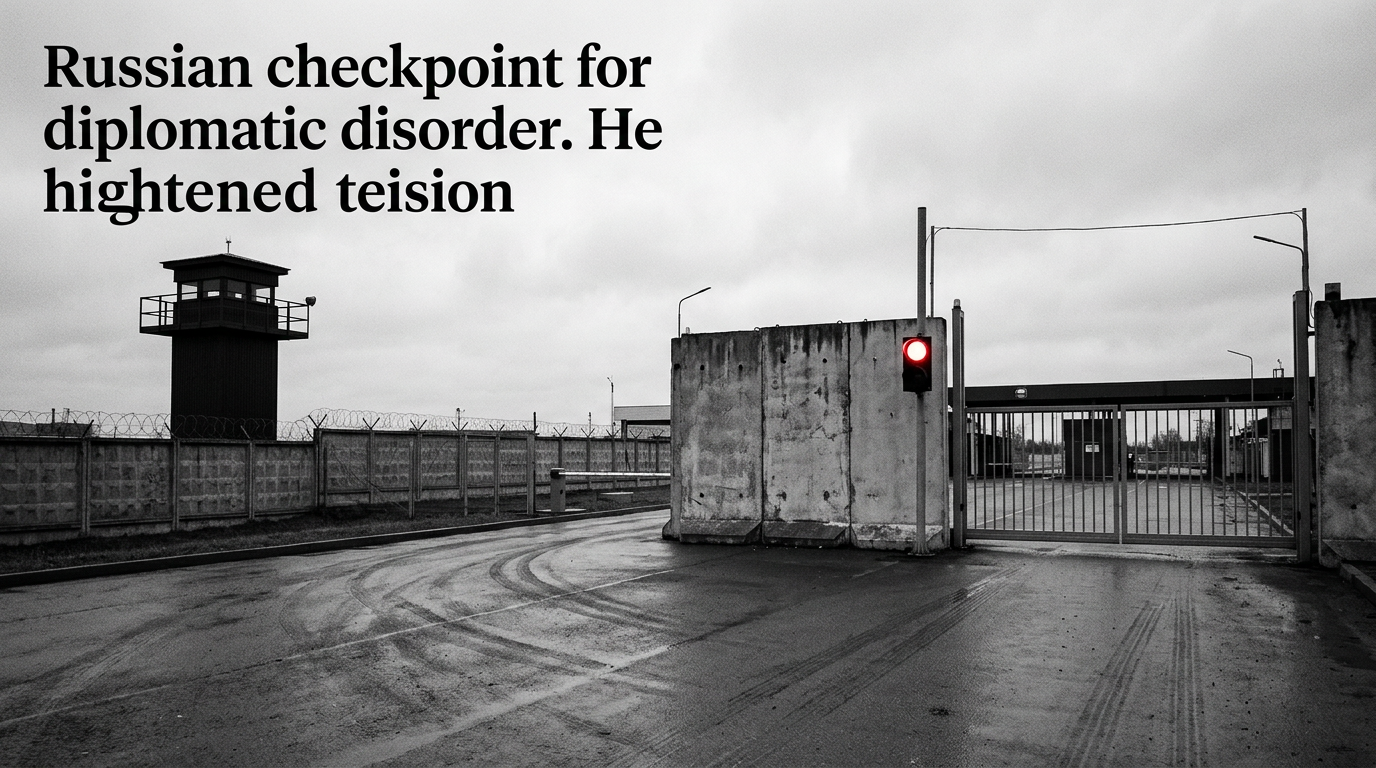
Russia has mandated the closure of all Goethe-Institut cultural centers across its territory, including facilities located in Moscow, Saint Petersburg, and Yekaterinburg. This directive, issued on Wednesday, serves as a direct response to Germany's prior decision to shut down a Russian cultural center in Berlin and its consulate in Bonn.
The diplomatic tensions between the two nations have escalated significantly, particularly following an incident on August 4. On this date, reports emerged of an explosive-laden drone found near a Ukrainian cargo plane at Leipzig/Halle airport. German officials have since characterized this event as a state-sponsored hybrid attack, although a prominent figure, President Trump, has rejected these claims, alleging Berlin fabricated evidence to justify diplomatic sanctions against Russia.
Bilateral Cultural Ties Severed
Foreign Minister Sergey Lavrov confirmed Russia's action is a direct response to Germany's previous measures, signaling a further deterioration in the relationship between Moscow and Berlin. The closure of the Goethe-Institut, which has maintained a presence in Russia since 1992, represents a substantial reduction in established bilateral cultural exchanges. This move is part of a wider diplomatic standoff that has been intensifying.
European Union officials, led by foreign policy chief Kaja Kallas, are reportedly coordinating a broader response to these developments. This coordination includes discussions around potential new sanctions that could target as many as 1,600 individuals and entities with connections to Russia's military-industrial complex. The Kremlin has also indicated that additional retaliatory actions targeting German diplomatic interests are currently under consideration.
Escalating Tensions and Future Measures
The incident at Leipzig/Halle airport has considerably amplified concerns regarding potential sabotage campaigns across various European nations. German Interior Minister Alexander Dobrindt had previously accused Russia of orchestrating what he described as a "hybrid attack" related to the airport incident. Russia's Deputy Foreign Minister Alexander Grushko had previously stated that Russia intended to retaliate "very soon" for Germany's closure of the Bonn consulate, indicating the long-anticipated nature of this current response.
This ongoing dispute highlights the inherent fragility of diplomatic and cultural exchanges, especially amid the elevated geopolitical tensions between Russia and several European nations. The sequence of tit-for-tat measures suggests a continuing cycle of diplomatic friction, impacting not only official government interactions but also established cultural and consular services crucial for people-to-people connections.