Trump Iran remarks raise geopolitical risk
President Trump reportedly used an explicit military threat against Iran after leaving Camp David early for the White House.
Mateo Fernandez ·
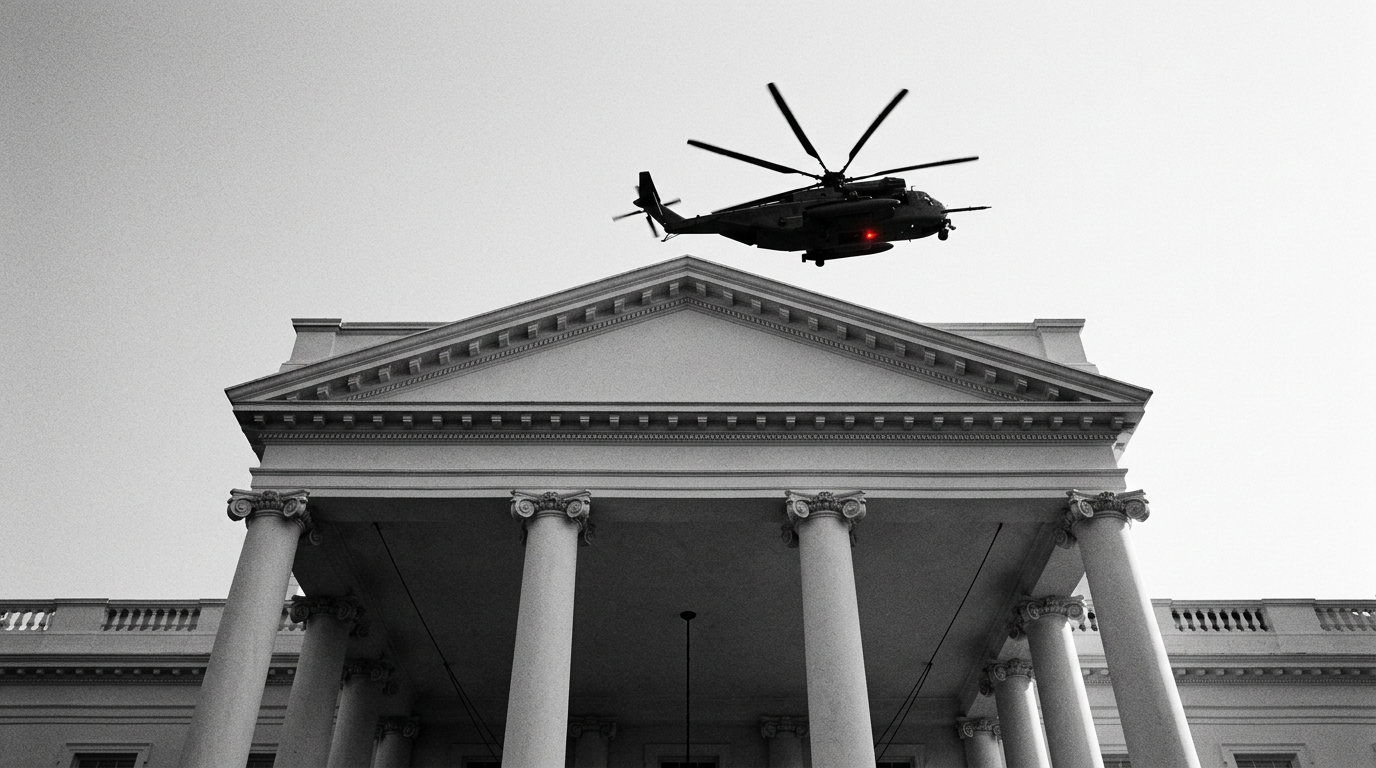
President Trump reportedly said Sunday that he was thinking of "blowing up" all of Iran, a threat that would put the Middle East and global energy markets on a more volatile footing if it became US policy. The reported remark came as Trump left Camp David early and returned to the White House, according to the account.
The payload did not include an official White House statement, a military order or a second confirmed account of the remark. That leaves the immediate policy signal unclear: a presidential threat can move diplomacy and risk pricing even before it becomes a formal decision.
Iran threat tests oil-risk pricing
Iran is a major oil producer and sits near the Strait of Hormuz, a shipping route central to Gulf crude flows. Any US threat involving direct force against Iran would be watched first through oil, shipping insurance, defense stocks, safe-haven currencies and Treasury demand.
If the White House treats the remark as rhetorical, the macro effect may be limited to short-term risk premiums in crude and havens. If officials reinforce it with military deployments or public warnings, the mechanism changes: traders would start pricing a higher probability of supply disruption, while allies and regional governments would seek clarification on US intent.
For US policy, the open question is whether Trump or senior officials clarify the remark before markets reopen fully in Asia on Monday, September 21, 2026. For Iran and the wider energy sector, the next 24 hours matter because silence, denial or confirmation would each carry a different signal for escalation risk.