U.S. Taps Venezuelan Crude to Bolster Strategic Petroleum Reserve
The U.S. has finalized a long-term agreement with Venezuela to access crude from 17 fields, bolstering its Strategic Petroleum Reserve for energy security.
Atlas Newsdesk ·
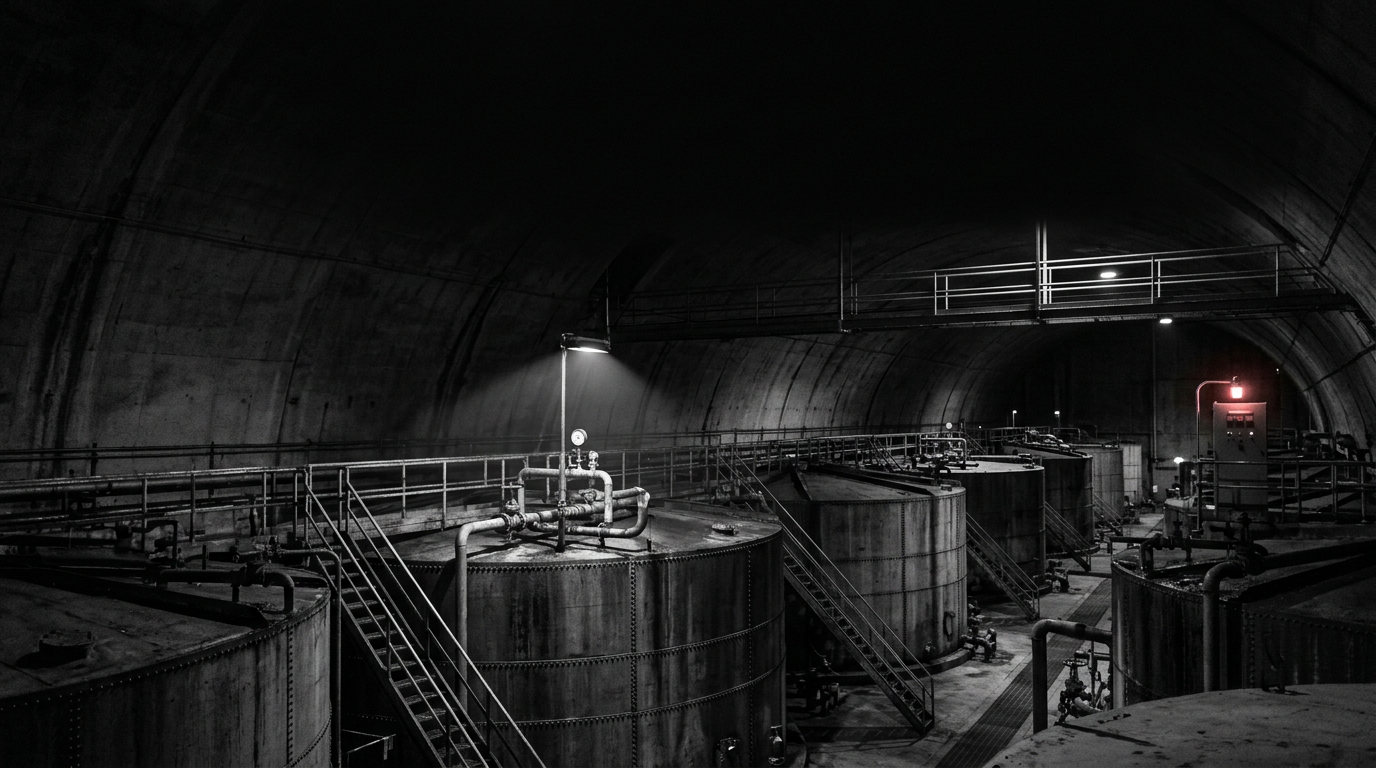
The United States government has entered a bilateral agreement with Venezuela to obtain long-term access to crude oil from 17 specific Venezuelan fields. This arrangement aims to enhance the U.S. Strategic Petroleum Reserve (SPR) by tapping into an estimated 65 billion barrels of oil. The concession framework is designed for a century, seeking to guarantee a consistent supply to meet national energy security needs.
Under the terms of this deal, a private company, led by Venezuelan entrepreneur Alejandro Betancourt, will manage these oil assets. A key aspect of the agreement is the 55 percent stake held by the U.S. Department of Defense's Office of Strategic Capital in this new venture. This ownership structure grants the U.S. government the right to acquire oil production at cost, a departure from typical international oil and gas leasing practices.
Operational and Legal Hurdles Anticipated
Despite the formal announcement, several operational and legal challenges are expected. Industry observers have highlighted the severely deteriorated state of Venezuela's oil infrastructure, a result of years of underinvestment and mismanagement. The unique nature of this concession, characterized as an opaque government-to-government management model rather than a traditional licensing agreement, could deter major energy companies from committing the substantial capital required for successful execution and development.
Furthermore, the legal standing of the arrangement faces considerable uncertainty regarding its compatibility with Venezuela's Organic Hydrocarbons Law and constitutional provisions governing resource ownership. Legal experts suggest the current framework is likely to encounter objections from existing contract holders and future administrations, raising questions about the project's long-term viability as currently constructed.
Broader Context of U.S. Energy Strategy
This initiative follows recent drawdowns from the U.S. Strategic Petroleum Reserve, indicating a deliberate strategy by the administration to improve national energy resilience. The focus on securing direct, cost-based access to substantial reserves marks a strategic shift, intended to bypass market volatilities and ensure a stable supply for emergencies or economic disruptions. Historically, Venezuela served as a significant oil supplier to the United States, particularly through the mid-20th century. Relations soured considerably in the early 2000s, leading to sanctions and a sharp decline in Venezuelan oil output, which once exceeded 3 million barrels daily.
The success of this concession will largely depend on navigating Venezuela's complex political landscape, addressing significant infrastructure deficits, and resolving potential legal disputes. The long-term implications for U.S.-Venezuelan relations and global energy markets will be closely monitored as further details emerge and implementation efforts progress. This action underscores a broader trend among nations seeking to diversify energy sources and secure direct access to critical commodities amidst a volatile global environment. The involvement of the U.S. Department of Defense's Office of Strategic Capital highlights the security imperative driving this deal, rather than purely economic motivations, suggesting a cautious re-engagement on energy matters.