Israeli Cabinet to Vote on Escalated War Budget Amid Fiscal Debate
Israel's cabinet will vote on a new war budget as military and finance ministries clash over rising defense spending, impacting national fiscal stability.
Atlas Newsdesk ·
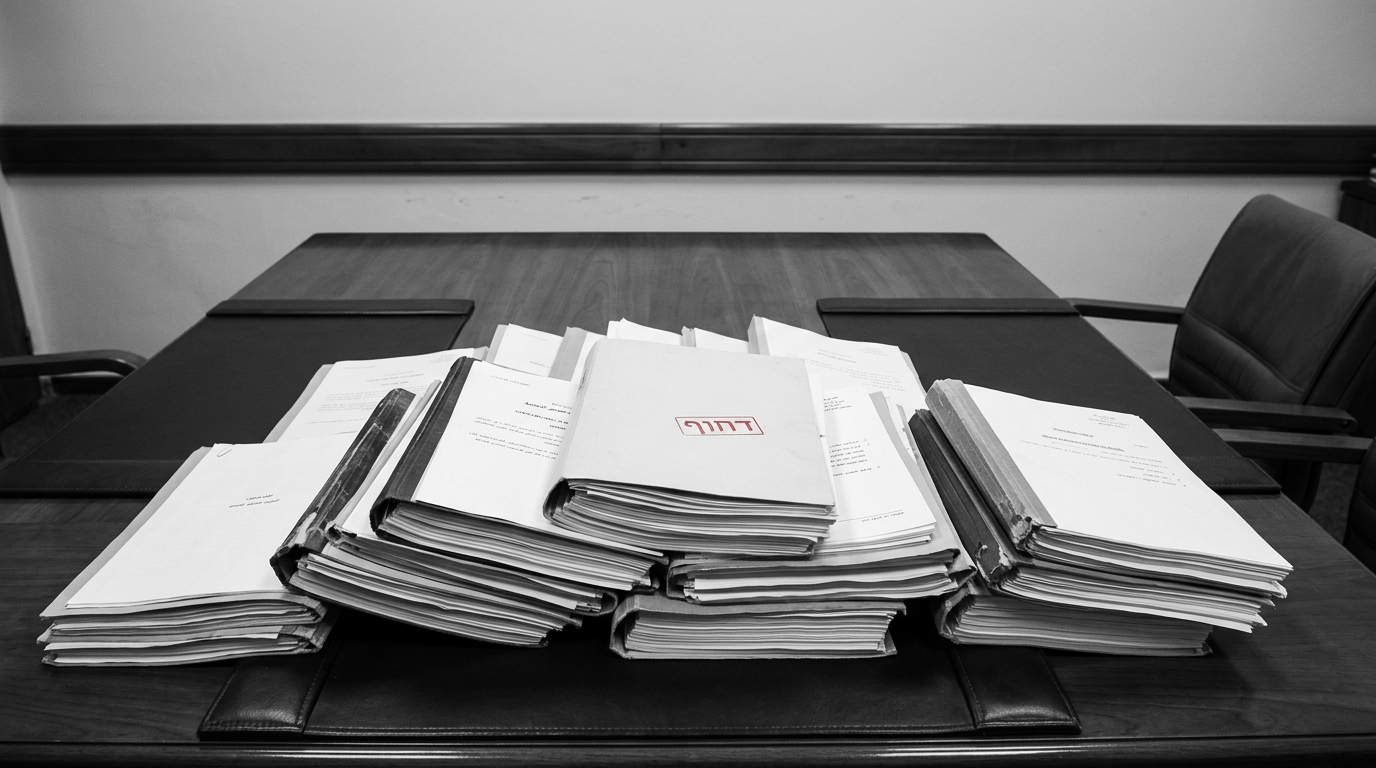
Israel's cabinet is preparing to vote on a proposed war budget, a decision prompted by a significant disagreement between the Ministry of Finance and the Ministry of Defense. This conflict arises from the rapidly escalating costs of ongoing military operations across Gaza, the West Bank, Lebanon, and Syria, which have been sustained since October 2023. Military leadership has expressed urgent concerns regarding depleting resources, emphasizing the critical need for additional funding to maintain operational readiness.
Conversely, financial officials have voiced apprehension that unchecked military expenditures could consume a substantial portion of budget. Projections suggest this could potentially reach nearly one-third of total government outlays, creating a fiscal strain on other critical sectors.
Budgetary Allocations and Historical Precedent
Recently, the Israeli government approved an additional allocation of 15 billion shekels ($5 billion) for military purposes. This injection increases the 2026 defense budget to 184 billion shekels ($60.8 billion). This figure represents the second-highest defense expenditure in the nation's history, surpassed only by the 188 billion shekels ($62.2 billion) spent during the initial year of the Gaza conflict.
Military Chief of Staff Eyal Zamir publicly described the current financial state as one of operating with "empty coffers." He indicated that persistent funding shortfalls could pose significant risks to national security. The financial friction is further compounded by internal political dynamics, with Finance Minister Bezalel Smotrich balancing calls for increased military spending from his political base against the necessity of preserving the nation's macroeconomic stability.
Potential Operational Reductions and Strategic Implications
Defense officials have warned that without a swift resolution to the budget impasse, they may be compelled to make difficult operational decisions. These potential measures include reducing the deployment of reserve forces and scaling back critical intelligence operations. Such actions would directly affect Israel's defense posture and its capacity to effectively respond to ongoing regional threats and emerging security challenges.
Analysts observing the situation suggest that this budgetary standoff reflects a broader challenge within the Israeli government. It underscores the difficulty in reconciling an assertive regional military strategy with the long-term sustainability of the country's finances. The cabinet's upcoming vote is thus crucial, not only for addressing immediate military needs but also for signaling the government's approach to fiscal responsibility amidst a prolonged conflict environment.
Long-Term Fiscal Stability Concerns
The continuous strain on public finances due to extended military engagements has raised fundamental questions about Israel's economic resilience. While immediate security concerns remain paramount, the finance ministry's caution highlights the potential for sustained high spending to divert essential funds from other crucial sectors, such as education, infrastructure, and social services. Balancing these competing national priorities represents a significant challenge for policymakers.
This situation also brings into focus the broader economic impact of prolonged conflict. Factors such as the mobilization of reserve forces, disruptions to civilian life, and the eventual need for post-conflict reconstruction all contribute to a complex financial landscape. The outcome of the cabinet vote will be closely monitored for its immediate and long-term implications on both Israel's security capabilities and its overall economic trajectory.