New Malaria Tools Get WHO Nod for Infant Protection
WHO prequalified a first malaria treatment for 2-5 kg infants and three pf-LDH rapid tests, as 2024 cases rose to 282 million.
Ayla Demirhan ·
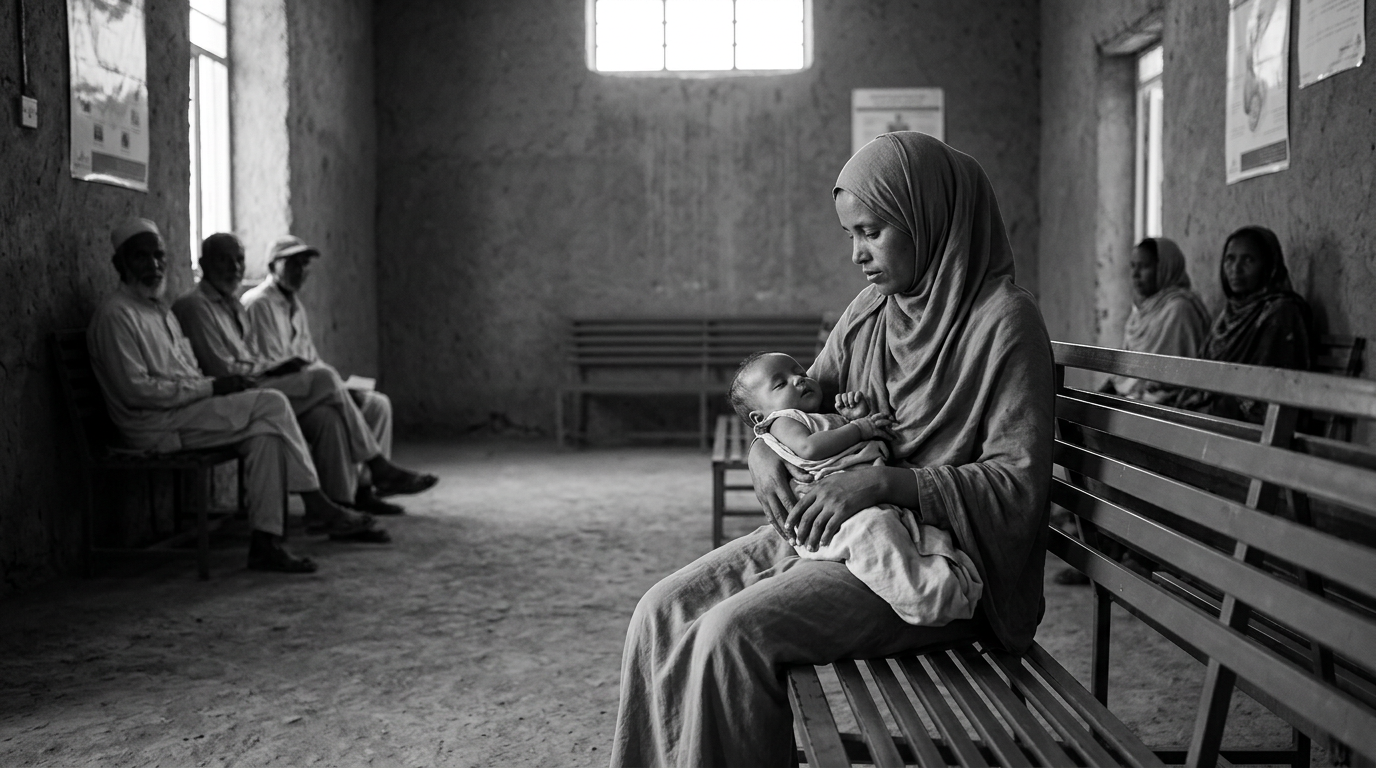
WHO prequalification indicates the products meet international standards for quality, safety, and efficacy, and it enables procurement by public-sector buyers. Officials said the new infant-focused medicine is intended to close a long-standing treatment gap in malaria-endemic settings.
Until now, infants in this weight range were typically given malaria formulations developed for older children. WHO said that practice increased the risk of dosing mistakes and potential adverse effects, because the products were not tailored to newborns and very small infants. The newly prequalified treatment is aimed at reducing those risks by providing an option specifically made for babies weighing 2-5 kilograms.
WHO linked the significance of the new medicine to the scale of need in malaria-affected regions. Officials said about 30 million babies are born each year in malaria-endemic areas, and the absence of a dedicated treatment for the smallest infants has been a persistent gap in care. The prequalification is intended to help countries and partners purchase the medicine through public channels where WHO standards are commonly used as a benchmark.
In parallel, WHO said it has prequalified three new malaria RDTs that detect a different parasite protein, pf-LDH. The move addresses a growing problem in which some malaria strains have gene deletions that undermine older tests based on the HRP2 target. Reports cited by WHO indicate that in some regions, HRP2-based tests missed up to 80% of cases because of these deletions, raising the risk that infected patients are not correctly identified and treated.
WHO said the newly prequalified pf-LDH tests offer a reliable alternative where HRP2-based diagnostics are failing. The agency recommended adopting the pf-LDH tests when more than 5% of cases are missed by HRP2-based RDTs. Officials framed the guidance as a practical threshold for switching tools in places where diagnostic performance has been compromised.
The announcements come as WHO reported that global malaria cases and deaths increased in 2024, with an estimated 282 million cases and 610,000 deaths. WHO cited several pressures contributing to setbacks, including drug and insecticide resistance, diagnostic failures, and reduced international development assistance. Officials said these challenges complicate efforts to control transmission and protect vulnerable groups, including newborns and infants.