White House plans new duties as tariff refunds drain revenue
Tariff revenue is being outpaced by refunds after the U.S. reimbursed nearly $22 billion in unlawfully collected duties in May, even as new levies are planned.
Lauren Collins ·
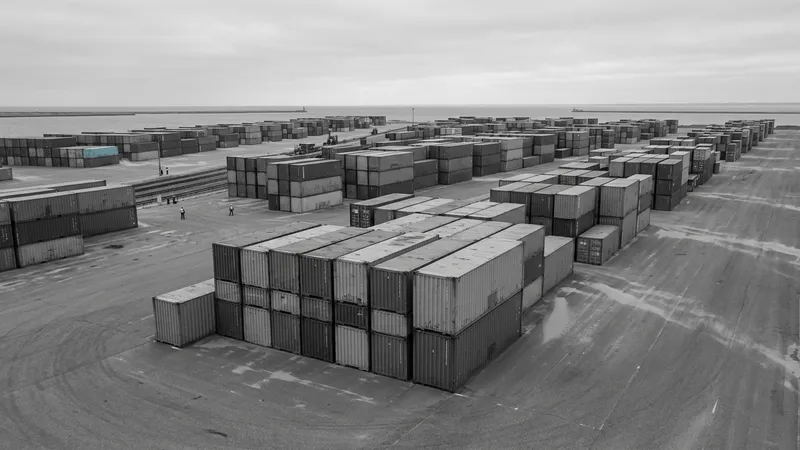
Tariff revenue is moving in reverse: in May, the U.S. reimbursed importers nearly $22 billion in duties later deemed unlawfully collected, sending more money out than coming in.
The refunds follow the Supreme Court’s February decision striking down President Donald Trump’s “emergency” tariffs, a ruling that disrupted one of the administration’s most reliable sources of trade-related receipts.
Even with that court setback, tariffs remain a live cost for businesses and, eventually, households. Companies are still paying duties on goods arriving from nearly every country, and the White House has signaled it intends to replace the lost revenue with new, sturdier import taxes.
Refunds surge, but tariffs still shape prices
The scale of the May reimbursements underscores how quickly tariff revenue can swing when courts intervene. The money returned to importers reflects duties collected under policies the Supreme Court later invalidated.
For consumers, the refunds do not necessarily translate into immediate relief at the checkout counter. It remains unclear how quickly any reimbursement is passed through supply chains, or how much of it shows up as lower prices rather than balance-sheet repair for firms that fronted the payments.
The policy backdrop is also shifting again. A temporary 10% global tariff rate that Trump put in place immediately after the February ruling is scheduled to expire at the end of July, adding a near-term deadline for importers planning orders and pricing.
White House looks to new tools and investigations
Administration officials have pledged to rebuild tariff revenue with duties designed to withstand legal challenges. Earlier this month, the White House released a proposal tied to a forced labor investigation involving dozens of U.S. trading partners, which officials and analysts view as an initial move toward that goal.
Bloomberg Economics analysts Nicole Gorton-Caratelli and Chris Kennedy estimate the proposed levies would increase the average U.S. tariff rate by about 0.6 percentage point, bringing it to roughly 11% if implemented as expected.
That level would still be below the 13.5% average rate that prevailed when Trump’s so-called reciprocal tariffs were in effect. But multiple additional inquiries are underway, and they could provide the president with broader authority to impose new duties.
The U.S. Trade Representative has separately proposed duties on goods from Brazil, citing Section 301 of the Trade Act of 1974. That statute is aimed at countering unfair trade practices by foreign governments and has become a central legal pathway for U.S. tariff actions.
Another Section 301 investigation is in motion as well, spanning dozens of trading partners and focusing on excess capacity and production. Together, these steps suggest the administration is building a portfolio of tariff justifications even as the February court ruling continues to reverberate through the Treasury’s ledger.
Economic warning lights complicate the timing
The shifting tariff regime is landing amid broader cost pressures in the U.S. economy. New duties would arrive as businesses and consumers absorb higher costs for inputs including oil and plastics linked to the Iran war, though an interim peace agreement was signed this week.
Several indicators are already flashing stress. The University of Michigan’s consumer sentiment index is hovering near a record low, and inflation accelerated in May to its fastest pace in more than three years.
Businesses, meanwhile, have been operating under an unusually uncertain trade outlook. Over the last year, that uncertainty has contributed to companies pausing additional investments or expansions, a dynamic that can restrain hiring and slow growth even when tariffs are meant to protect domestic producers.
The next major inflection point is late July, when the temporary 10% global rate is set to lapse. Whether the administration finalizes new levies from its forced labor and Section 301 efforts before then will determine how quickly tariff revenue stabilizes—and how much of the cost ultimately lands on importers, consumers, or both.