Fuel costs slide under $4 after Trump cites Iran accord
U.S. gasoline prices fell below $4 a gallon as crude dropped on news of a U.S.-Iran memorandum tied to reopening the Strait of Hormuz.
Atlas Newsdesk ·
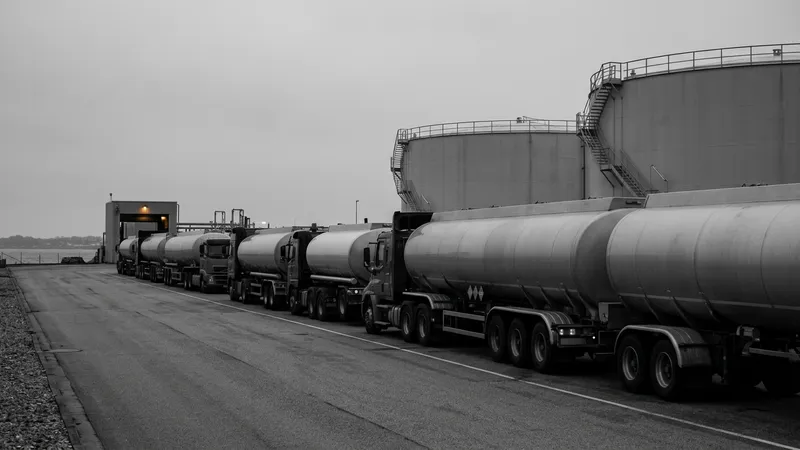
U.S. gasoline prices slipped under $4 a gallon, a closely watched benchmark, after crude oil sank on signs of a potential U.S.-Iran de-escalation linked to the Strait of Hormuz.
The nationwide average retail price moved below the $4 mark for the first time since mid-April, offering a measure of relief to drivers as markets reacted to geopolitical headlines.
Crude selloff follows Trump’s memorandum announcement
Oil prices dropped by more than $4 per barrel on Monday after President Donald Trump said the United States and Iran had signed a memorandum of understanding aimed at ending a near four-month war.
The announcement also boosted expectations that shipping through the Strait of Hormuz could resume more fully, reducing fears of prolonged supply disruptions in one of the world’s most important energy corridors.
Market participants have treated the memorandum as an early step rather than a final settlement, with uncertainty remaining over whether the arrangement will be implemented and maintained in the coming days.
$4 per gallon remains a key political and consumer threshold
The decline at the pump arrives at a sensitive moment for the Trump administration, which has repeatedly pledged to bring down household energy costs. Republican candidates are also campaigning to protect narrow majorities in both chambers of Congress ahead of November’s midterm elections.
High fuel costs have been a persistent source of voter frustration, and the $4 level is often viewed as a tipping point in public perception. Analysts and consumer researchers frequently cite it as a psychological barrier that can prompt changes in behavior, including fewer discretionary trips and reduced fuel consumption.
While gasoline prices track crude oil with a lag, the latest move suggests pressure may be easing, at least temporarily, if wholesale markets continue to price in improved shipping access and lower risk premiums.
Hormuz reopening may take time even with a deal
Trump said the agreement’s text would be released after a formal signing ceremony expected Friday, and he indicated the Strait of Hormuz would be “fully reopened.” The strait is a strategic chokepoint used to move a significant share of global oil supplies by sea.
Even if political commitments hold, energy and shipping specialists caution that operational recovery can be slow. Restoring normal vessel traffic may take weeks because clearing hazards such as mines is technically demanding and requires careful sequencing to ensure safety.
The pace of that work matters for energy prices because delays can keep freight rates elevated and maintain a risk premium in crude markets. Conversely, faster-than-expected normalization could reinforce the downward move in oil and, over time, translate into broader relief for consumers.
Next steps include the planned signing event, publication of the memorandum’s terms, and early indicators from maritime security and shipping schedules showing whether traffic patterns are returning to pre-disruption levels.