

US Defense Firms Quadruple Weapon Output
US defense firms, including RTX and Lockheed Martin, will quadruple weapon production following a White House meeting on March 7, 2026.
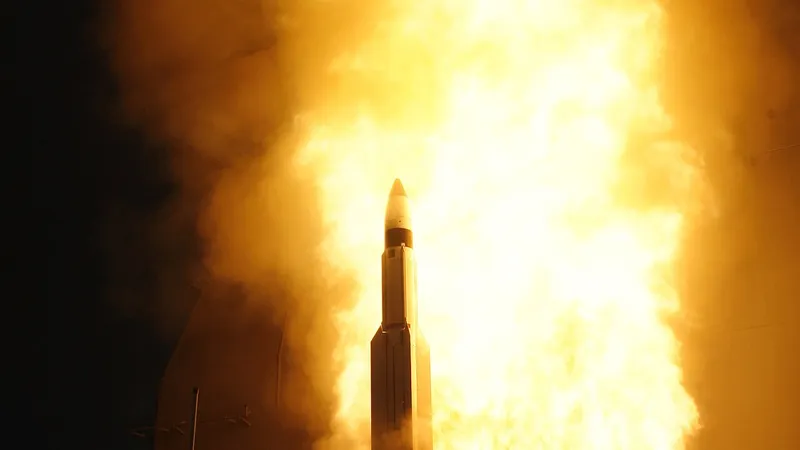
Leading American defense manufacturers have committed to a fourfold increase in weapons production following discussions at the White House. This decision, reached on Friday, March 7, 2026, involved major contractors such as RTX, Lockheed Martin, and Boeing, and was announced after a meeting with President Donald Trump.
The expanded manufacturing capacity is intended to support ongoing military operations and address substantial existing order backlogs. These backlogs are reportedly so extensive that some surpass the gross domestic product of various countries.
Military Operations Underway
The United States military is currently engaged in a conflict with Iran, designated as Operation Epic Fury. This operation involves the deployment of over 20 distinct weapon systems by U.S. Central Command (CENTCOM) across air, sea, and land domains. Advanced weaponry, including Tomahawk missiles launched from Arleigh Burke-class destroyers and Precision Strike Missiles (PrSM) from M-142 HIMARS, are actively being utilized.
Defensive capabilities are also in use, with Patriot and THAAD missile batteries deployed. The conflict has seen the introduction of new Low-Cost Uncrewed Combat Attack System (LUCAS) drones, which cost approximately $35,000 per unit, alongside established MQ-9 Reaper drones. Additionally, strike aircraft such as B-1 and B-2 bombers, F-15, F-22, and F-35 fighter jets are participating in operations.
Defense Spending and Market Reaction
The U.S. military budget, which stood at nearly $1 trillion in 2025, is projected to rise significantly, reaching an estimated $1.5 trillion by 2027. This substantial increase in defense spending underscores the strategic importance of the current military engagements and the long-term commitment to defense capabilities.
Following the White House announcement, stock prices for key defense contractors experienced an uptick. Northrop Grumman saw a 5% increase, RTX rose by 4.5%, and Lockheed Martin's shares climbed by 3%. This market response reflects investor confidence in the sector's future growth prospects driven by increased production demands and government spending.
Strategic Implications
The decision to quadruple weapon production highlights a significant shift in industrial policy, prioritizing military readiness and sustained operational capacity. This move aims to ensure a continuous supply of advanced armaments for current conflicts while also replenishing strategic reserves and fulfilling international defense commitments. The long-term implications include potential advancements in defense technology and a sustained boost to the defense industrial base.
Implications
Country Impact: The United States is signaling a long-term commitment to military engagement and defense spending, potentially impacting its fiscal policy and resource allocation. This could lead to a re-evaluation of national priorities and economic strategies.
Industry Impact: The defense industry is poised for significant growth, with major contractors benefiting from increased orders and government investment. This expansion could stimulate job creation and technological innovation within the sector, while also potentially increasing consolidation among suppliers.
Market Impact: Global defense stock markets are likely to see continued positive sentiment, particularly for U.S. contractors. Increased defense spending and production targets could drive investor interest, affecting valuations and capital flows within the aerospace and defense sectors.
More stories
- Saudi airport attack kills 13, strains missile defenses
- Morocco draws $6 billion China EV supply-chain push
- China sanctions two ministers over Taiwan ties
- Zelensky Says Russia Keeps Hitting Ukrainian Energy Sites
- UAE's NCM issues 5.5-hour flood alert as hail hits
- Robert Pether returns after 5-year Iraq detention
- Iraq Seeks World Cup Qualifier Delay
- US Senator Calls for Iran Regime Change Amid Tensions
Latest news
- EA buyout lifts games M&A to $57.8 billion in Q3
- Nasdaq 100 breaks support as US indexes retreat
- Trump faces six-day tariff deadline with no public notice
- Tibidabo marks 125 years as Barcelona landmark
- Ollie Pope Exits Afghanistan Premier League Draft Amid Scrutiny
- Moto X lands on modern platforms Oct. 16 at $5.99
- Eisman says S&P 500’s AI exposure tops 65%
- Lam Research turns $1,000 into $31,755 over decade