

Biological Memory Theory Challenges AI Consciousness Potential
New research suggests human consciousness relies on unique biochemical memory mechanisms, potentially limiting the ability of electronic AI systems to…
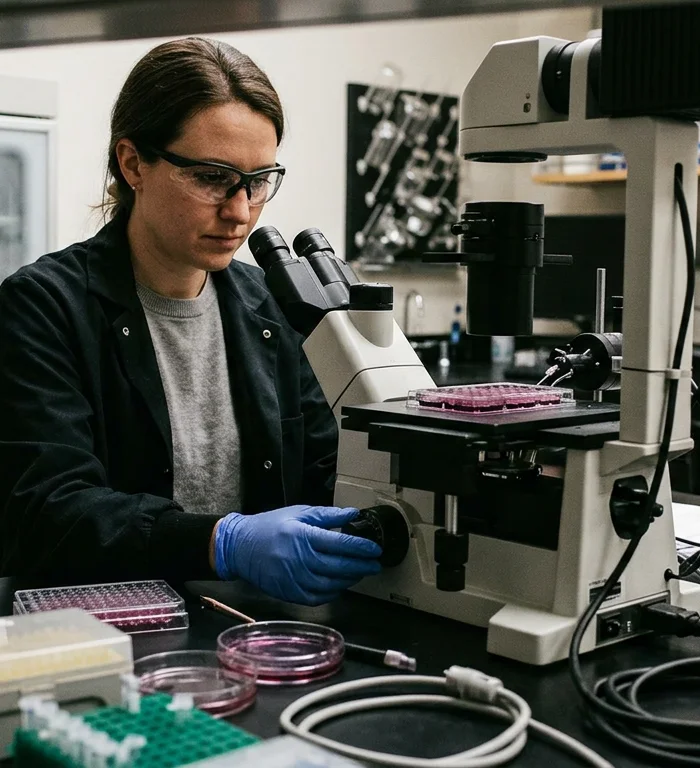
A new theoretical framework suggests that human consciousness may be fundamentally distinct from artificial intelligence due to the biochemical nature of biological memory. Researchers propose that the brain encodes and retrieves information through a "Tripartite Mechanism" involving neurons, astrocytes, and the surrounding molecular environment, rather than relying exclusively on electrical signaling.
This model posits that memories are stored through complex chemical interactions, including the use of metal ions and neurotransmitters. By integrating these chemical processes, the brain links cognitive data with emotional states, a feature the researchers argue is absent in current electronic computing architectures.
These findings challenge the prevailing assumption that increasing computational power and complexity will inevitably lead to machine consciousness. The research suggests that because artificial intelligence lacks the specific biological structures and chemical machinery required for this form of memory, it may remain incapable of replicating human-like conscious experience.
For policymakers and financial stakeholders, this distinction carries implications for the long-term trajectory of AI development. If consciousness is tied to biological chemistry rather than algorithmic processing, the ceiling for AI capabilities may be lower than currently projected. This necessitates a re-evaluation of risk assessments regarding autonomous systems and the potential for machines to achieve human-equivalent reasoning or subjective awareness.
More stories
- Japan data centers face lawsuits over residential sites
- Türkiye Desk: GTA 6 drains UK mobile spend as Turkish studios feel pressure
- Europe faces attribution gap after 16 cyber, physical incidents
- PIF backs Grand Theft Auto as Saudi players embrace game
- Signal limits screenshots to curb AI access to messages
- Cognition runs Devin Mac workspaces on EC2 in 6 AWS regions
- UK agencies face 100-plus public-code security flaws
- Nvidia opens board inquiry into alleged foreign targeting
Latest news
- Duterte faces ICC trial over 85 alleged murders, 2 attempts
- Norse Atlantic suspends flights in urgent rescue funding bid
- Bardella denies antisemitism claims over teenage messages
- Retailers rethink Black Friday as discount fatigue grows
- S&P puts Nvidia credit rating on watch over board concerns
- Musk pledges two SpaceX shares per child in new US giveaway
- Washington targets China in new tariff push on trade ties
- Morocco targets 2030 World Cup final with new stadium bid