Venezuela Formally Initiates Withdrawal From ICC
Venezuela has notified the UN it will withdraw from the ICC’s Rome Statute; the exit takes a year and does not stop ongoing probes.
Atlas Newsdesk ·
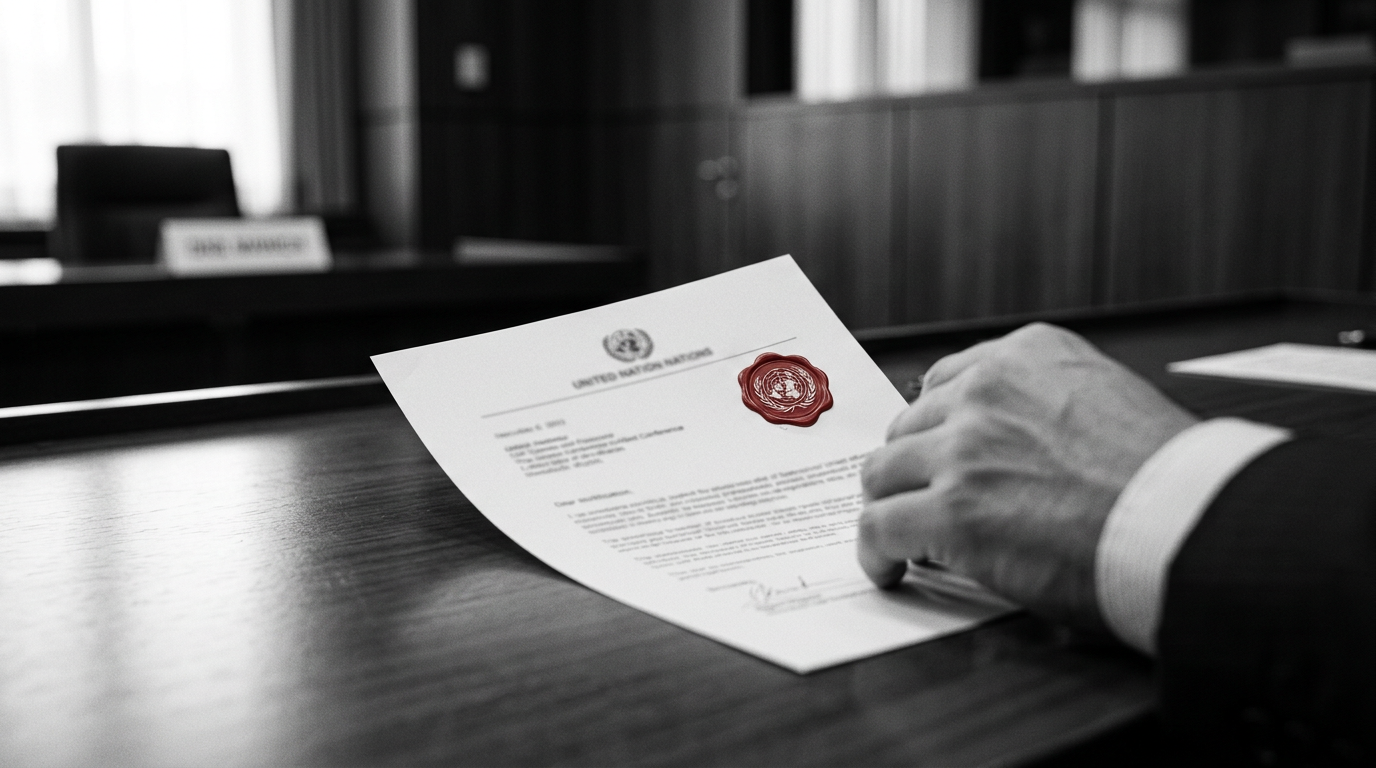
Venezuela has formally informed the United Nations that it intends to leave the Rome Statute, the founding treaty of the International Criminal Court (ICC). Foreign Minister Felix Plasencia announced the step on Friday, saying the government believes the tribunal shows geographical bias.
The notice starts a withdrawal process set out in the Rome Statute. Under the treaty’s rules, the departure does not take effect immediately and requires a one-year period after notification before it becomes operative.
UN notification follows an Assembly vote
Officials said the move was carried out under the direction of Interim President Delcy Rodriguez and follows a December vote by the Assembly to exit the court. The notification to the UN is the formal trigger that begins the countdown to withdrawal under the treaty framework.
Plasencia’s announcement framed the decision as a response to what the government described as structural imbalance in how the court applies its mandate across regions.
Ongoing ICC cases remain in force despite withdrawal
Legal experts said the notification does not end existing ICC activity involving Venezuela. They noted that investigations already opened into alleged crimes against humanity by Venezuelan security forces since 2017 would continue even if the withdrawal later takes effect.
According to those experts, the court keeps jurisdiction over matters already under examination, and a state’s later departure does not remove the ICC’s authority over those existing proceedings.
Foreign policy signals and cooperation risks
Officials and observers described the notification as a meaningful change in Caracas’s external posture. The decision was presented in the source material as bringing Venezuela closer to the United States, where the Trump administration campaigned against the ICC and portrayed it as illegitimate.
Analysts cited in the source material argued the timing reflects a broader strategic shift, including an effort to reduce exposure of officials to prosecution while seeking improved diplomatic ties with Washington. These views were presented as interpretation rather than a confirmed government rationale beyond the stated bias claim.
Even with the ICC’s jurisdiction continuing for existing cases, the withdrawal is expected to affect practical cooperation. The source material said the step amounts to an end to state cooperation, a change that could hinder evidence collection and make it harder for the court to secure the presence of officials who may be accused.
The ICC’s legal mandate over already-opened matters would remain, but the operational environment around those cases could become more challenging if state support is withdrawn.