US deaths rise as Iran escalation risk grows
Three U.S. servicemember deaths over 24 hours lifted the reported toll to 17 since March, raising pressure on President Trump.
Mateo Fernandez ·
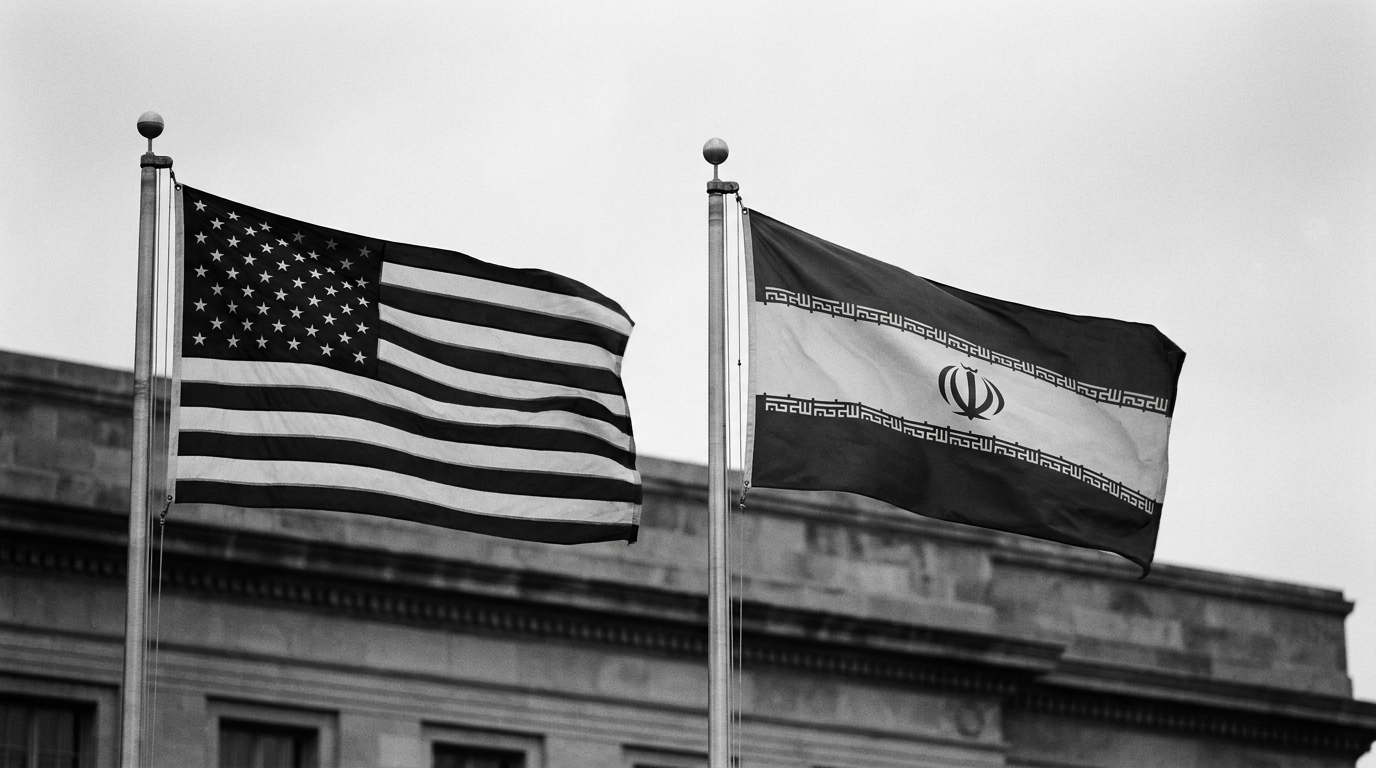
Officials said three U.S. servicemembers died over a 24-hour period during the weekend, lifting the U.S. death toll in the Iran war to 17 since the conflict began in March. Reaction pending. The latest fatalities are adding pressure on President Trump as his administration weighs whether to intensify military action while diplomatic channels remain open.
Seventeen U.S. deaths since March
The new deaths matter because casualty counts can narrow a president’s room for delay. A rising toll raises domestic pressure for retaliation, reassurance of deployed forces and clearer war aims, even when officials want to preserve negotiations.
Both sides have left diplomatic doors open, officials said, but the weekend
deaths sharpen the risk that military logic overtakes political caution. If Washington responds with a limited strike, the immediate aim would likely be deterrence without closing off talks.
If the response is broader, the conflict could move into a more
dangerous phase for regional bases, shipping lanes and energy markets.
For global macro conditions, the main transmission channel is risk pricing: oil, defense assets, haven currencies and sovereign bonds could react if investors see a higher probability of a wider regional conflict. For the U.S. administration, the central question is whether additional force reduces attacks on personnel or creates new targets. For the wider security sector, a longer conflict would lift demand for air defense, intelligence support and logistics.
The next 24 hours, through July 22, 2026, will be watched for any White House signal on retaliation, renewed talks or changes to U.S. force posture.