Energy Crisis Deepens: Supply Shocks Rock Global Markets
Global energy shocks are accelerating, with repeated crises and the 2026 Strait of Hormuz disruption reshaping oil and gas trade risks.
Lauren Collins ·
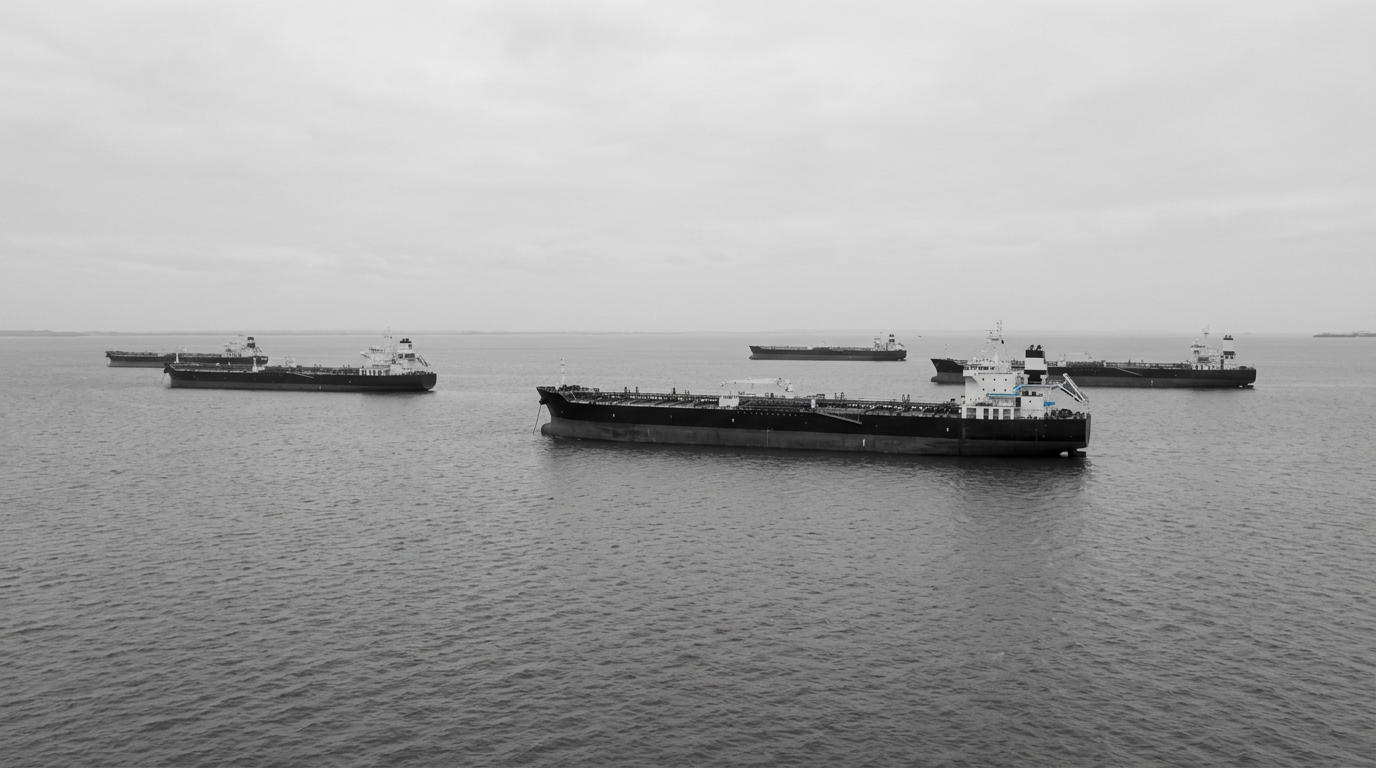
Global energy shocks are arriving faster and with wider reach , as the oil and gas system faces repeated disruptions linked to military conflict, extreme weather, and supply-chain strain. The pattern described in recent market assessments suggests that large shocks are no longer rare events, but increasingly frequent episodes occurring alongside a faster low-carbon transition and deeper fragmentation in energy trade.
Over the past decade, three major shocks have reshaped pricing and supply expectations. These included the post-pandemic inflationary surge in 2021, Russia’s invasion of Ukraine in 2022, and the 2026 Iran war, which was described as the largest disruption to oil and gas supplies in history. Historically, the world averaged roughly one major energy crisis per decade since World War Two, making the recent pace of disruption a notable break from prior norms.
A central feature of the 2026 shock was the blocking of the Strait of Hormuz, a chokepoint that previously carried about 20% of the world’s oil and gas flows. The disruption underscored a shift in assumptions about producer behavior in the Gulf, where markets had long relied on the idea that key exporters would avoid steps that impede energy transit.
With the strait disrupted, attention has also turned to the vulnerability of other critical chokepoints around the world, given the system’s reliance on concentrated routes.
At the same time, global interdependence has increased, amplifying the impact of any single disruption. Data cited in the assessment shows global oil imports rose 55% between 2000 and 2024, reaching about 70 million barrels per day. China’s imports expanded six-fold over the same period to 13.4 million bpd, reinforcing how demand centers can become more exposed to shipping risks and geopolitical stress when import dependence rises.
The United States has moved in the opposite direction, shifting from a major importer to the top oil and gas producer and exporter. By 2026, U.S. oil exports had increased more than 12-fold to about 12 million bpd. This rebalancing has changed trade flows and bargaining dynamics, particularly as trade conflicts rise and energy dominance is increasingly used as a negotiating tool in international relations.
What it means is a more volatile and fractured global energy landscape, where shocks can transmit quickly across regions and sectors. The combination of geopolitical and trade fragmentation, higher import dependence in key economies, and the pressures of a faster low-carbon transition is reshaping how governments and companies think about security of supply.
Key uncertainties remain around how persistent the new frequency of disruptions will be and how markets will adapt to chokepoint risks in an environment where assumptions about uninterrupted flows have been challenged.