Peru presidential election opens amid deep instability
Peru presidential election first round on April 11 drew 35 candidates, with a June run-off expected amid tight polls and instability.
Lauren Collins ·
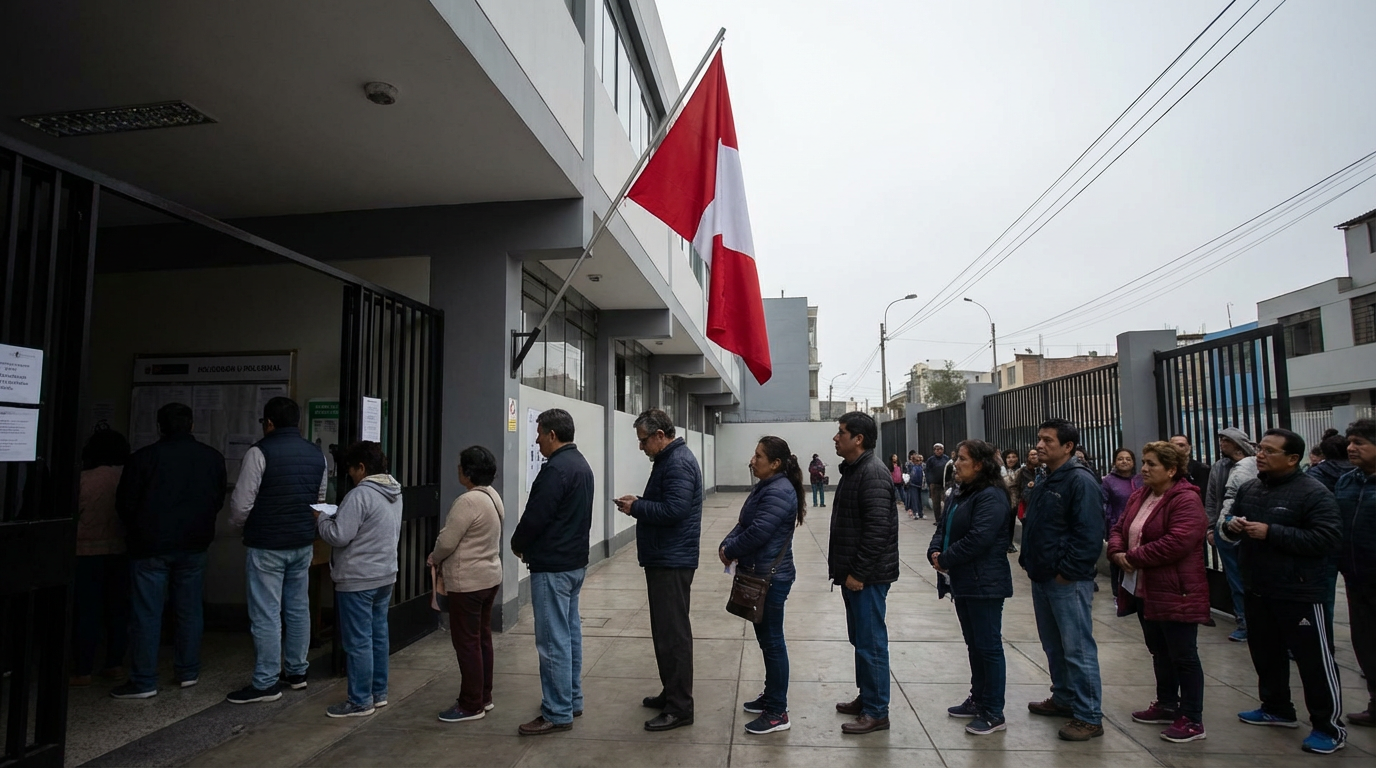
Peruvians voted on Sunday, April 11, in the first round of a presidential election taking place after a decade of pronounced political turbulence. The contest drew a record 35 candidates, a crowded field that officials and observers linked to broad voter frustration and a fragmented political landscape.
The first-round vote is expected to narrow the race to two contenders who will advance to a run-off election scheduled for June. With many names on the ballot and no single figure clearly dominant, the process has been widely described as difficult to predict.
Polling ahead of the vote suggested a tight contest. Surveys indicated that about 10% of voters were still undecided shortly before election day, while several leading candidates were separated by only a few percentage points. That combination of late uncertainty and narrow margins encouraged multiple campaigns to argue they could break through and reach the second round.
The election unfolded against a backdrop of repeated leadership changes. Peru has had nine presidents in the last ten years, a turnover that has shaped public expectations and contributed to volatility in national politics. Over the same period, only one president completed a full term, underscoring how frequently administrations have been interrupted.
Officials said the instability has also been tied to legal and ethical controversies involving past leaders. Most former presidents have faced corruption investigations or imprisonment, a pattern that has weighed on public trust and intensified skepticism toward political institutions.
Despite Peru’s mandatory voting laws, the climate has been associated with voter apathy and doubts about whether elections will deliver durable governance. The unusually large candidate list and the complexity of the ballot highlighted how divided the political arena has become, with support spread across many options rather than consolidated around a small number of parties or figures.
For markets and international partners, the immediate focus is on which two candidates emerge for the June run-off and whether the next administration can provide continuity after years of rapid turnover. The close polling and the share of undecided voters left the first-round outcome uncertain, reinforcing expectations of a competitive path to the second round.