Qatar Condemns Persistent Iranian Attacks on Its Soil
Qatar says Iranian strikes persist at lower intensity days after a U.S.-Iran ceasefire, urging GCC unity as doubts grow over durability.
Lauren Collins ·
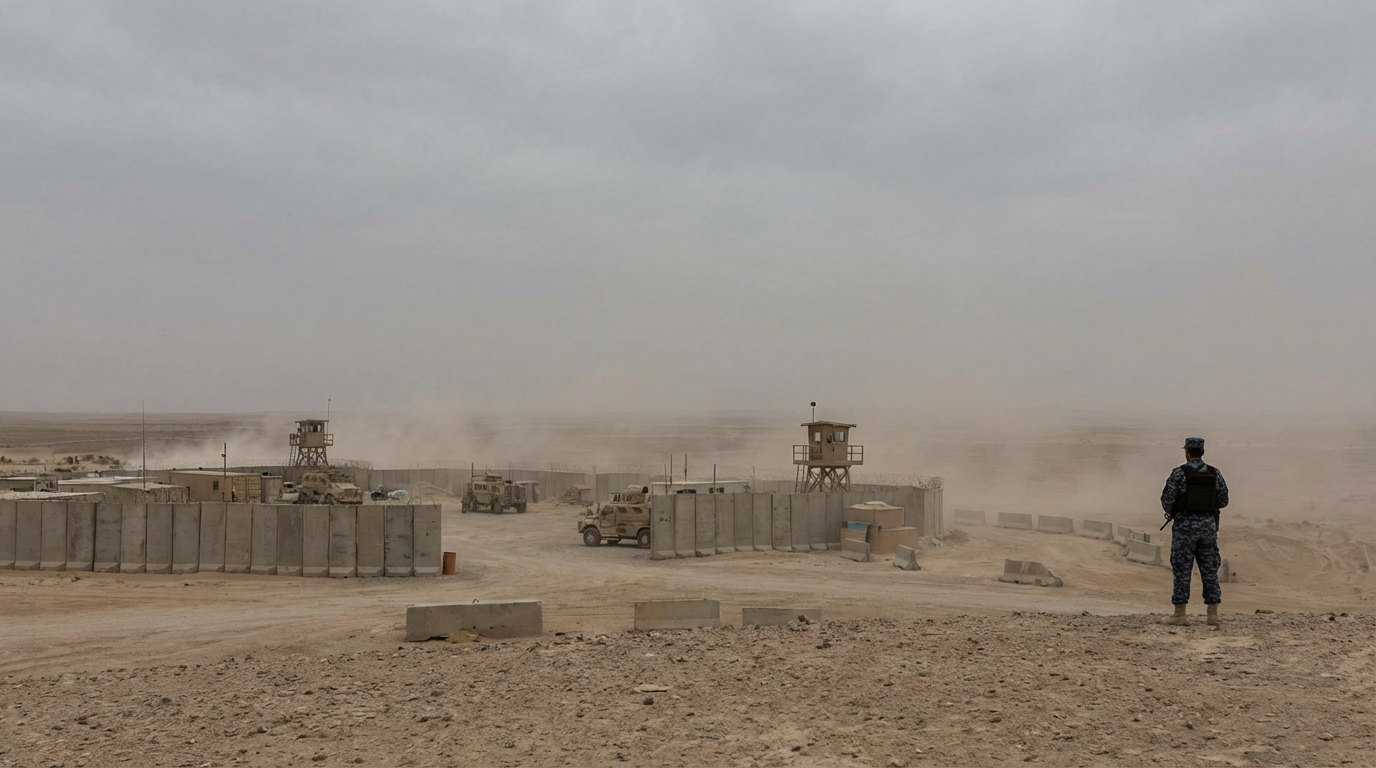
Qatar said Iranian strikes on its territory have continued, even as their intensity has fallen, days after a U.S.-Iran ceasefire was announced. The update, delivered publicly by Qatar’s Ministry of Foreign Affairs, adds uncertainty to early expectations that the agreement could quickly reduce tensions across the region.
In an interview with Al Jazeera, Majed al-Ansari, spokesperson for Qatar’s Ministry of Foreign Affairs, said the attacks have not fully stopped. He described the current pattern as reduced but persistent, underscoring that the issue remains active despite the ceasefire brokered on Tuesday.
Qatar framed the strikes as a serious violation of its sovereignty and said the situation has placed the country in a difficult position. Officials highlighted Qatar’s long-standing role as a diplomatic interlocutor in efforts to ease tensions between Iran and Western powers, a role that becomes harder to sustain when attacks continue on Qatari soil.
Alongside its condemnation, Qatar called for unity among Gulf Cooperation Council (GCC) states, arguing that the security of the bloc is inseparable. Al-Ansari rejected attempts to split the group and said that an attack on one member should be treated as an attack on all, reinforcing the collective-security logic that underpins the GCC even after periods of internal diplomatic strain.
The appeal for solidarity increases pressure on neighboring governments to coordinate their response, whether through diplomacy or security measures. Observers are watching for signs of a joint GCC position as the strikes are presented not only as a bilateral issue involving Qatar, but as a challenge to the wider Gulf security framework.
The continued attacks also raise questions about the durability of the U.S.-Iran ceasefire itself. The agreement was intended to pull the region back from the risk of a broader conflict, but the reported activity on the ground now appears to conflict with the de-escalation goal described by officials.
Regional experts cited in the account suggested the strikes could be linked to hardline elements within Iran’s military apparatus or its proxy network that oppose the ceasefire. That possibility has sharpened scrutiny of Tehran’s ability to control affiliated military factions, a factor that could determine whether the ceasefire holds.
For now, diplomatic engagement remains the main channel emphasized in the reporting, with the international community urging restraint. Qatar is seeking to defend its sovereignty while avoiding steps that could accelerate a breakdown of the fragile truce, and officials said the coming days will be important in assessing whether diplomacy can contain the crisis.