Trump approval rating falls to 33% in new poll
Trump approval rating falls to 33% in an April 3, 2026 poll, seven months before midterms, as cost-of-living worries grow.
Lauren Collins ·
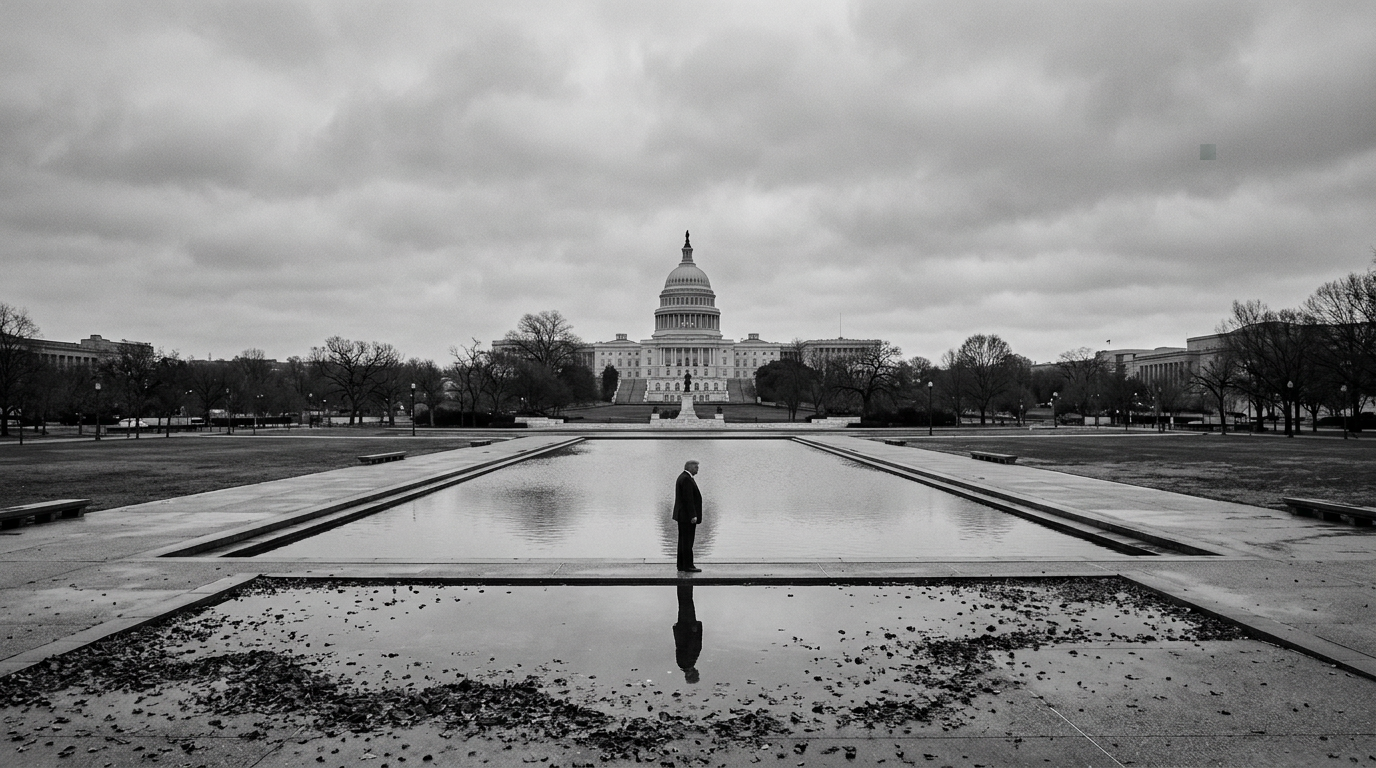
Former President Donald Trump’s approval rating has dropped to 33%, according to a University of Massachusetts Amherst poll released on Monday, April 3, 2026. The survey arrives seven months before the midterm elections, as public attention remains fixed on economic conditions and the cost of living in the United States.
The poll’s findings point to a continued slide that was already visible before recent international developments. The data indicates that the decline is not presented as a sudden shift tied to a single event, but as part of an ongoing downward pattern in views of Trump’s performance.
Economic pressure is central to the public mood described alongside the polling release. The source material links voter dissatisfaction to concerns about the economy and everyday expenses, and it also notes that these challenges may have been intensified by disruptions connected to the Strait of Hormuz. Hostilities in late February are described as leading to the strait’s effective closure, a development referenced as a potential aggravating factor for economic strain.
Trump addressed the situation in a televised speech, acknowledging what he called “short-term” economic pain. In the same address, he provided an update on military operations in Iran. The speech was framed as an effort to reassure the public, emphasizing progress and a swift end to military objectives, even as those objectives were described as undefined.
The timing places domestic political sentiment alongside international security developments, with the poll and the speech both occurring against the backdrop of heightened public concern. The source material does not quantify the scale of economic impact or specify the operational details in Iran, but it presents the combination of cost-of-living anxiety and geopolitical tension as part of the environment shaping public attitudes.
With the midterm elections seven months away, the 33% approval figure provides a snapshot of the political landscape at a moment when economic confidence and perceptions of leadership are closely intertwined. The poll release and Trump’s remarks underscore uncertainty around how quickly economic conditions may stabilize and how clearly military aims will be defined, both of which remain open questions in the account provided.