‘We do it together, in confidence’: Netanyahu backs US strikes on Iran
Netanyahu backs potential US military action against Iran, citing shared concerns over its nuclear program.
Cuneyd Erdogan ·
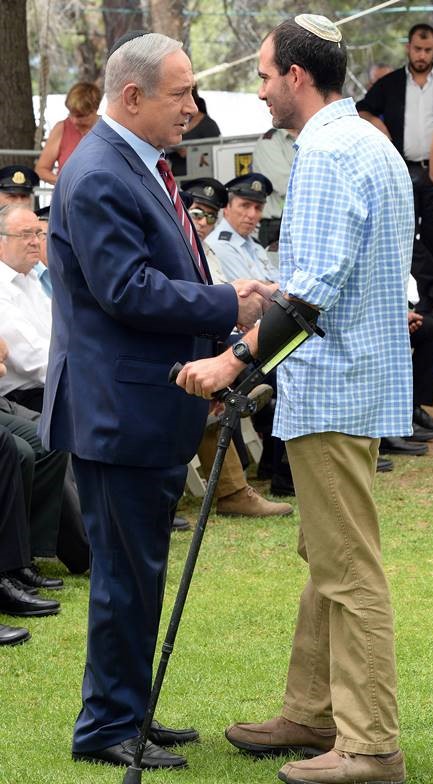
Israeli Prime Minister Benjamin Netanyahu has publicly affirmed his support for potential United States military actions against Iran, emphasizing a unified approach between the two nations. This statement comes amidst heightened regional tensions and ongoing concerns regarding Iran's nuclear program and its activities in the Middle East. The declaration underscores the close strategic alignment between Israel and the U.S. on matters of Iranian policy.
Strategic Alignment on Iran Policy
Netanyahu's comments highlight a long-standing shared objective between Washington and Jerusalem: preventing Iran from acquiring nuclear weapons and countering its regional influence. Both nations view Iran's nuclear ambitions and its support for various proxy groups as significant threats to regional stability and international security. This alignment has been a cornerstone of their bilateral relationship for decades.
Escalating Regional Tensions
The backdrop to these statements includes a series of escalating incidents in the Middle East. These have involved attacks on shipping, drone strikes, and proxy conflicts, often attributed to or linked with Iran. The U.S. has maintained a significant military presence in the region, conducting operations aimed at deterring Iranian aggression and protecting its interests and allies.
Iran's Nuclear Program Concerns
International concerns about Iran's nuclear program have intensified following its scaling back of commitments under the 2015 Joint Comprehensive Plan of Action (JCPOA). Reports from the International Atomic Energy Agency (IAEA) have indicated Iran's increased uranium enrichment activities, raising alarms among Western powers and regional adversaries. Israel, in particular, views a nuclear-armed Iran as an existential threat.
U.S. Policy and Deterrence
The United States has consistently stated its commitment to preventing Iran from developing nuclear weapons, with all options remaining on the table. While diplomatic efforts are often prioritized, the U.S. has also demonstrated a willingness to employ military force to protect its assets and allies. Netanyahu's remarks signal Israel's confidence in the U.S.'s resolve and its readiness to act decisively.
Implications for Regional Stability
Any potential U.S. military action against Iran, especially with explicit Israeli backing, carries significant implications for regional stability. Such actions could trigger a broader conflict, impacting global energy markets and international trade routes. The diplomatic landscape remains complex, with various international actors advocating for de-escalation while also seeking to curb Iran's nuclear advancements.
International Diplomacy and Sanctions
Alongside military considerations, international efforts continue to focus on diplomatic solutions and economic sanctions to pressure Iran. The U.S. has maintained a robust sanctions regime, aiming to curtail Iran's revenue streams and force it back to the negotiating table. However, these measures have not yet fully resolved the core issues surrounding Iran's nuclear program and regional conduct.
Implications
Country Impact: Israel's explicit support for potential U.S. strikes reinforces its strategic alliance with Washington, potentially increasing its regional security posture but also risking retaliatory actions from Iran or its proxies. This could further entrench the existing geopolitical fault lines in the Middle East.
Industry Impact: The prospect of military action against Iran could significantly impact global energy markets, leading to spikes in oil and gas prices due to concerns over supply disruptions in the Persian Gulf. Shipping and insurance industries operating in the region would also face heightened risks and increased costs.
Market Impact: Global financial markets would likely react with increased volatility to any military escalation in the Middle East. Equities could see downturns, while safe-haven assets like gold and government bonds might experience upward pressure. The U.S. dollar could strengthen as investors seek stability.