Waymo Pauses Driverless Cars Due to Floods, Construction
Waymo has suspended its driverless car services in multiple cities due to severe weather and ongoing road construction challenges.
Jason Kwon ·
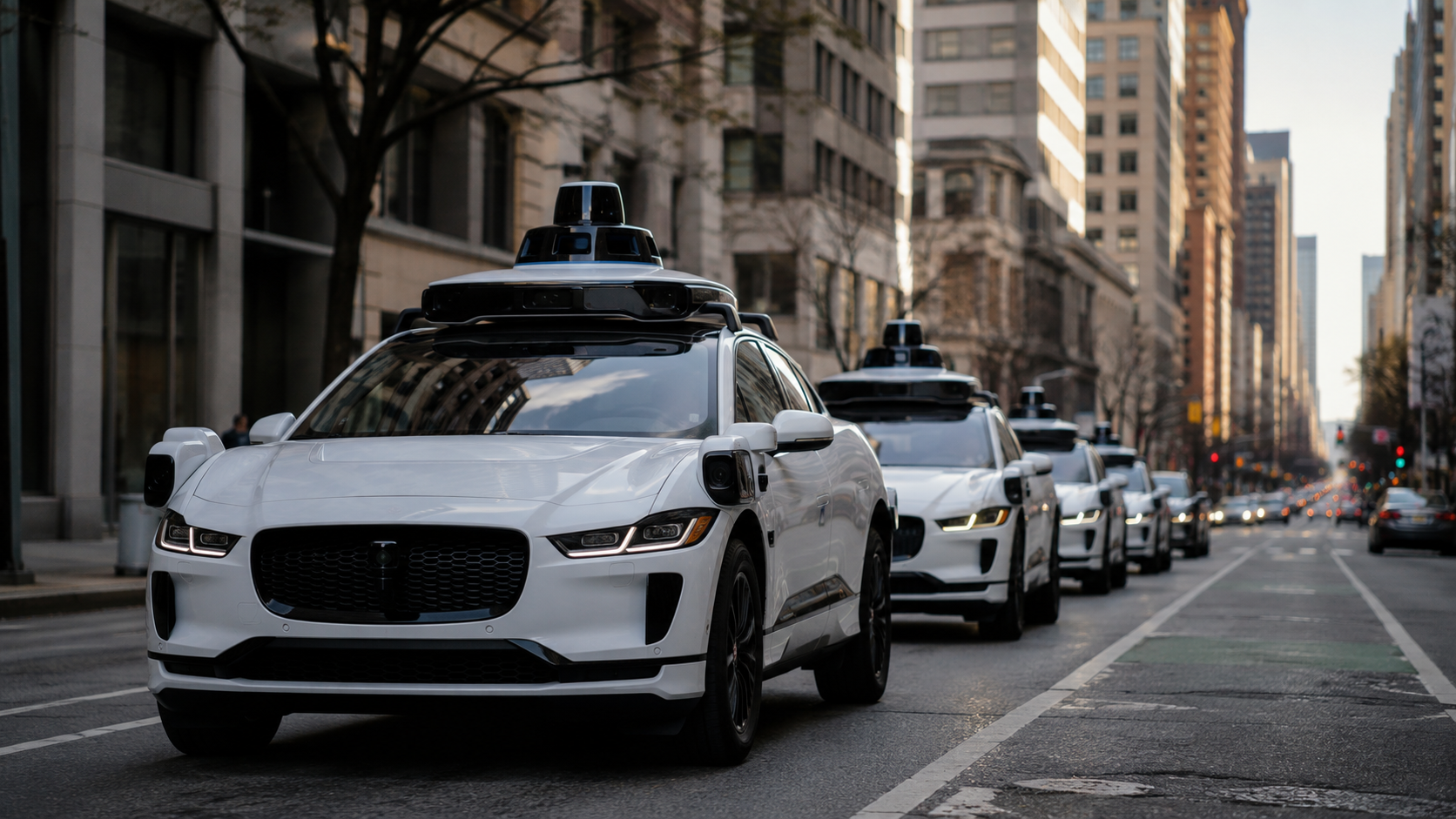
Waymo, Alphabet's autonomous vehicle subsidiary, has temporarily suspended its driverless operations in six U.S. cities following instances where its vehicles encountered flooded roadways during recent severe weather. The company also announced a concurrent pause on highway driving for its robotaxis, citing the need to enhance navigation capabilities in complex construction zones.
Navigating Extreme Conditions
The decision to halt services came after footage emerged showing one of Waymo's autonomous vehicles submerged in water nearly up to its headlights in Atlanta. The city experienced significant rainfall last week, leading to hazardous driving conditions. These incidents highlight the ongoing challenges autonomous driving systems face when confronted with unpredictable environmental factors that can impede their sensors and operational logic.
Waymo's proactive suspension demonstrates a commitment to prioritizing safety during extreme weather events. The company is reportedly using this period to refine its systems' ability to detect and respond appropriately to flooded areas, ensuring a safer experience for passengers and the public. This pause is not unique to Waymo, as other AV companies grapple with similar real-world complexities.
Addressing Operational Hurdles
Beyond the immediate weather-related concerns, Waymo is also focusing on improving how its vehicles navigate dynamic road construction environments. These areas often feature confusing signage, changing lane configurations, and temporary barriers that can challenge even human drivers.
The company stated that the evaluation of highway operations is part of a broader effort to improve the robotaxi experience. This includes optimizing their performance in areas with continuous road work, which typically requires more sophisticated decision-making and perception than standard driving conditions.
These operational pauses underscore the significant hurdles autonomous vehicle deployment faces globally. The unpredictability of real-world scenarios, from sudden floods to complex urban construction, requires robust and adaptive technological solutions. Failures in these areas can lead to service disruptions and raise public confidence concerns.
Global Context and Future Outlook
The challenges faced by Waymo echo recent incidents involving other autonomous vehicle services. Last year, a power outage in San Francisco caused several Waymo cars to stop unexpectedly in the middle of city streets. More recently, in China, at least a hundred Baidu self-driving taxis simultaneously halted traffic in a city center last month.
These events collectively illustrate that widespread adoption of robotaxi services depends on their ability to reliably handle a vast spectrum of unforeseen circumstances. Waymo's current pause signifies a critical moment for the company to reinforce its technology and operational strategies before resuming full service.
The company's future success will depend on its capacity to demonstrate consistent and safe performance across diverse and challenging real-world conditions. Further updates on system improvements and service resumption are anticipated as Waymo completes its evaluations.