Measles outbreak in East Darfur kills dozens in Labado
A measles outbreak in Labado, East Darfur, has spread since March, with deaths and cases disputed as vaccines arrived April 11.
Ayla Demirhan ·
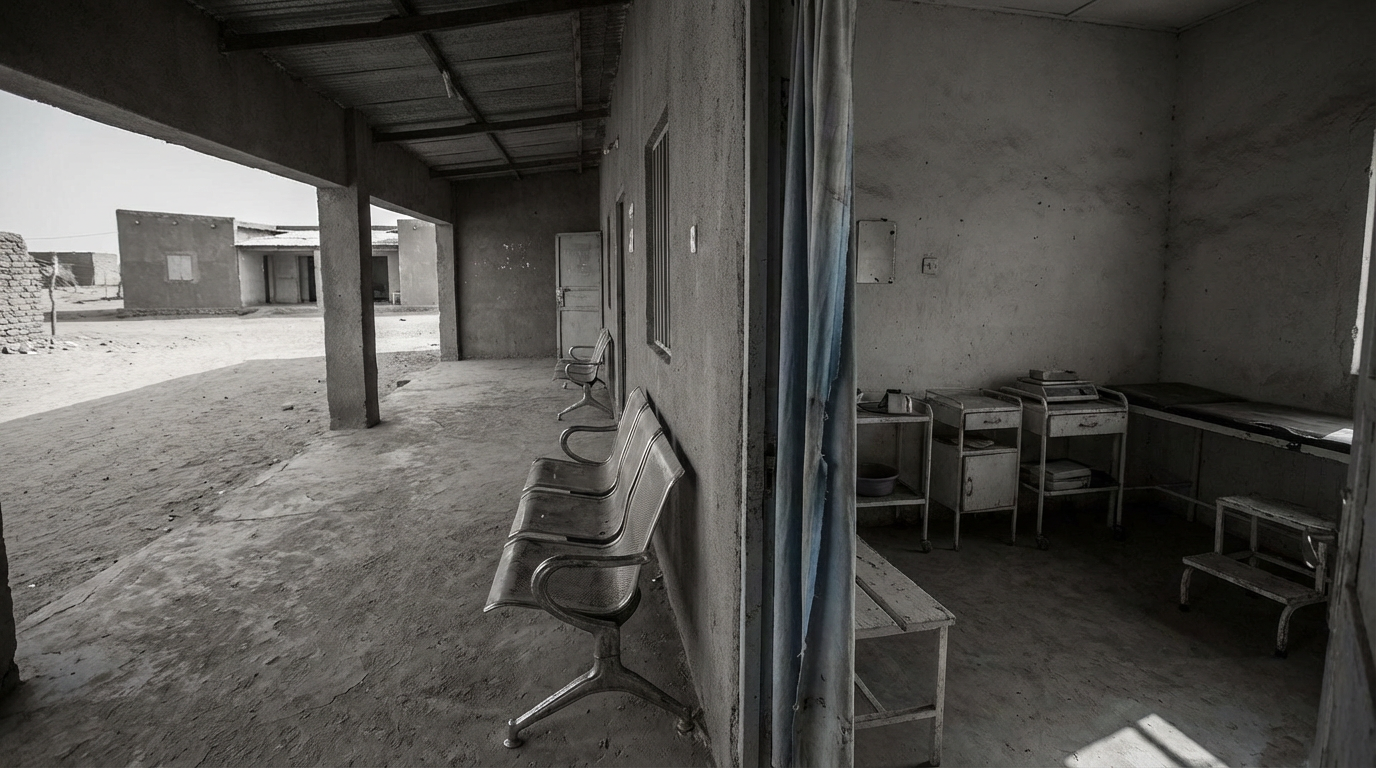
A measles outbreak in Sudan’s East Darfur state has been reported in the town of Labado since March, with local community groups and health authorities describing a rising toll of illness and deaths. The outbreak has been recorded across 12 residential neighborhoods in Labado, an area with an estimated population of about 12,000 people, including internally displaced persons.
Community groups in Labado said the outbreak has resulted in approximately 70 deaths and around 1,000 infections since March. East Darfur’s health director, Dr. Jabir al-Nadeef, reported a lower official count, confirming 300 cases and 26 deaths across four districts, and said there is a significant gap between locally cited figures and those registered by the health administration.
Health system breakdown and limited detection
Officials and local accounts linked the scale of the outbreak to the deterioration of health services during ongoing conflict. The source material describes a collapse in healthcare infrastructure, including the absence of routine vaccination programs and a shortage of qualified doctors.
Many medical professionals were reported to have left the region because of the war, according to the accounts cited. The outbreak was also described as being discovered by chance during community outreach work, highlighting limits in surveillance and routine care in the area.
Vaccine delivery and campaign timeline
Vaccines supplied by UNICEF from Chad arrived on April 11, according to the source. A vaccination campaign was scheduled for April 18 to 24.
The timeline described in the material indicates that infections and deaths were being reported before vaccine deliveries reached the affected communities. The first measles cases in Darfur were recorded in January, according to the source.
Care options and household costs
Measles was described as a highly contagious viral disease with no specific treatment. The response outlined in the source includes isolating patients and providing vitamin A to help prevent illness and manage complications.
Even with these measures, the material said families often have to pay for additional medicines themselves. It also said these drugs can be unaffordable or not available, adding to the challenges of managing cases during the outbreak.
Uncertainty in case and death counts
The differing totals reported by community groups and by Dr. Jabir al-Nadeef underscore uncertainty in the available data. The source material links this uncertainty to the difficulty of tracking disease spread in conflict conditions, where routine services and reporting systems are disrupted.
As the scheduled April 18–24 campaign approaches, the outbreak in Labado remains a test of whether vaccine delivery and basic supportive care can be organized at scale amid the constraints described by local accounts and officials.