Biennale Jury Quits: Geopolitical Storm Hits Venice
The Venice Biennale jury resigned due to a policy against awarding countries whose leaders face charges of crimes against humanity, impacting Russia and…
Ayla Demirhan ·
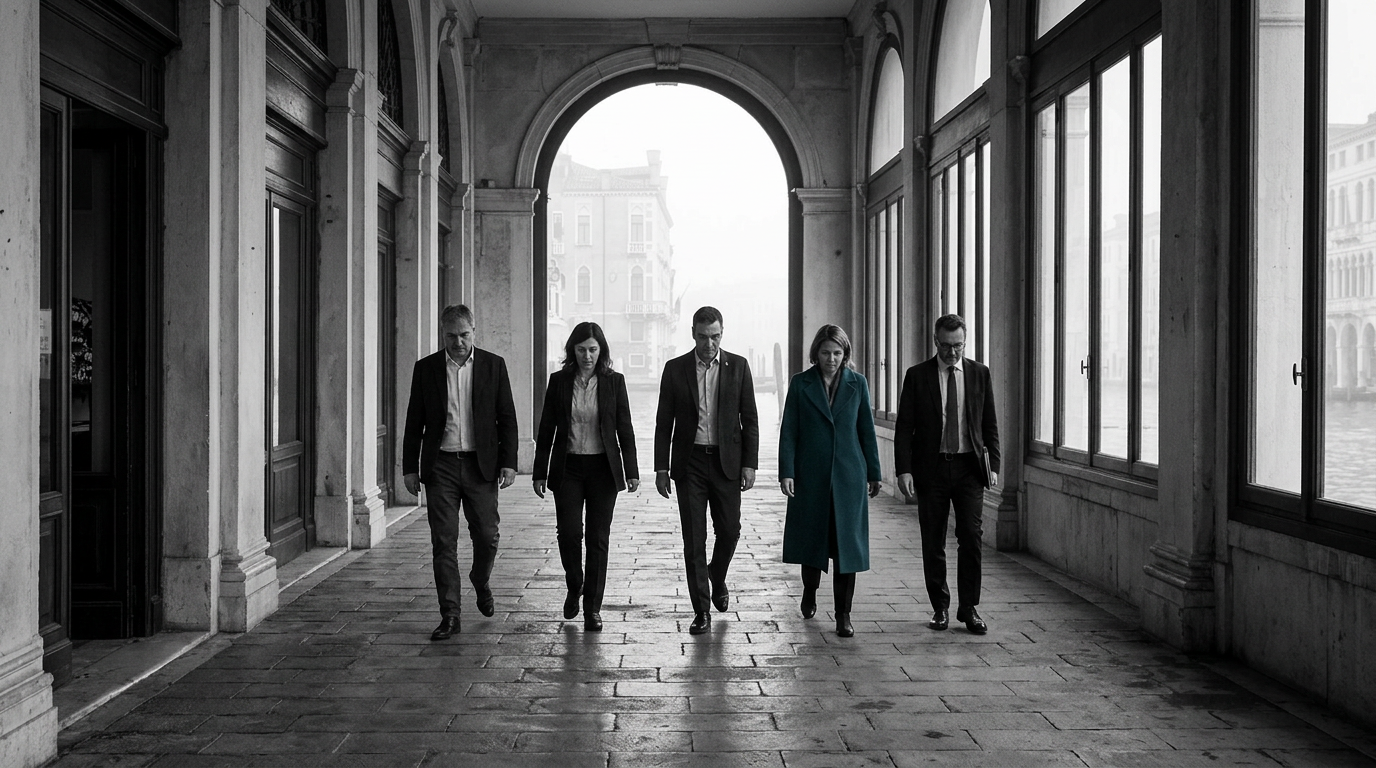
The entire jury of the Venice Biennale resigned nine days before the event's inauguration. This action follows their stated decision not to consider countries whose leaders face charges of crimes against humanity for any awards.
This decision impacts Russia and Israel, whose leaders have International Criminal Court (ICC) arrest warrants or allegations of war crimes. The Biennale's autonomy is cited by the Italian Prime Minister, despite government disagreement with Russia's participation.
Russia's return to the Biennale, after its 2022 withdrawal, has generated controversy. The EU previously withdrew a two million Euro grant, citing moral objections to Russia's involvement.
Italy's culture ministry is reportedly investigating potential sanctions violations related to Russia's participation. The Biennale maintains a policy against exclusion or censorship, noting Russia's ownership of its pavilion.
Israel's foreign ministry has criticized its exclusion from prize consideration. The scheduled prize ceremony for May 9 has been canceled, with public voting now determining favored pavilions.