Venezuela OPEC exit plan tests Trump oil reach in Caracas
Venezuela is weighing an OPEC exit while US officials discuss stakes in its oil fields, people familiar with the private talks said.
Sofia Reyes ·
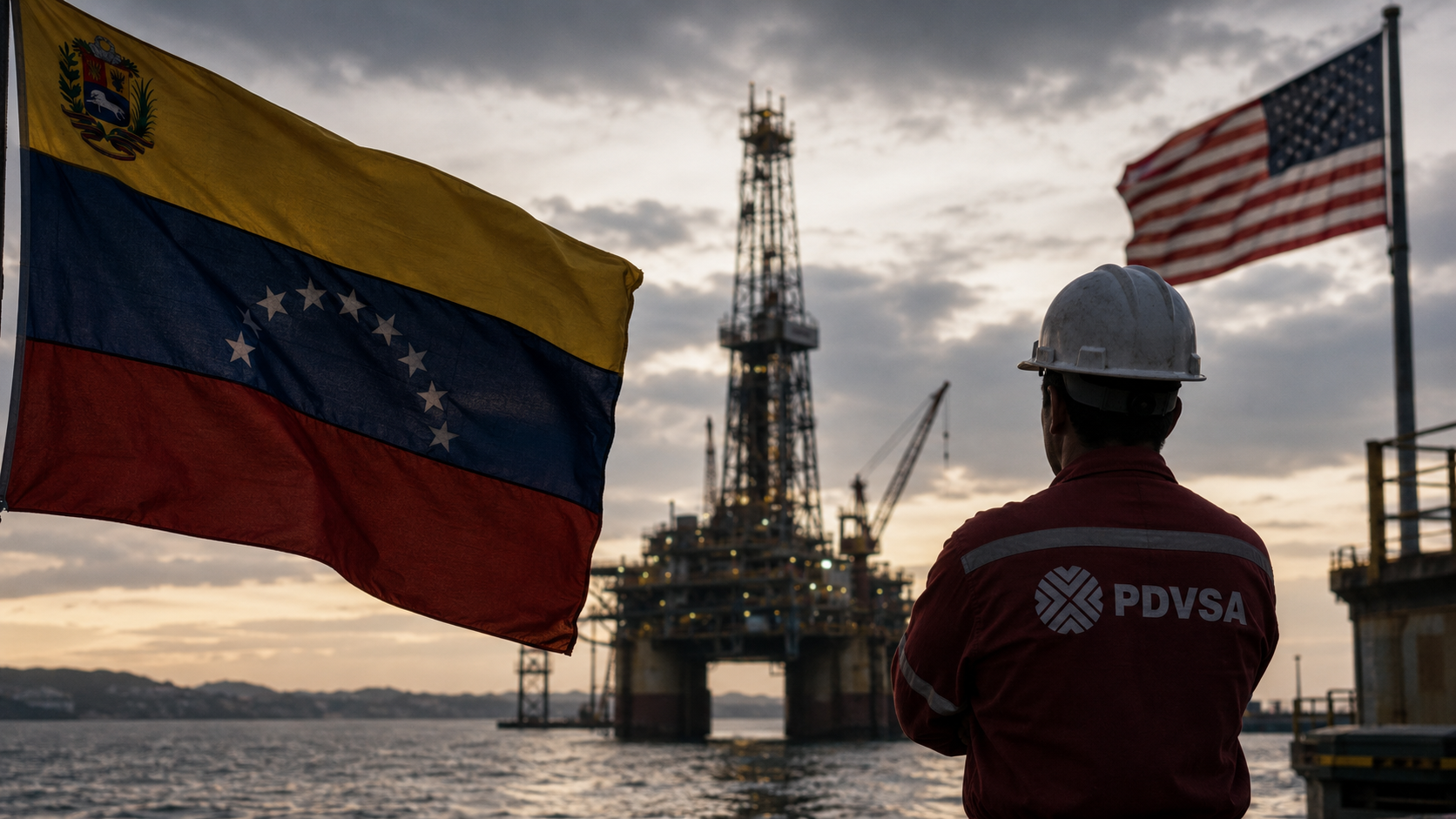
Venezuela is weighing an OPEC exit, people familiar said, a step that would loosen a six-decade oil link as US sway grows in Caracas.
No decision has been made, according to people familiar with the private discussions, who said the idea has come up in talks with US officials. A withdrawal from the Organization of the Petroleum Exporting Countries would mark a break with a group Venezuela helped establish more than six decades ago.
The talks sit inside a broader political shift in Caracas after President Trump removed Nicolás Maduro and gained control over Venezuelan oil sales, according to the people. That account remains tied to people familiar with the matter; the White House declined immediate comment on the possible OPEC move.
Caracas tests its OPEC link
For OPEC, a Venezuelan exit would carry more political weight than near-term production math in the account provided by the people. The country’s membership has long given it a seat inside the producer group, even as its oil industry has been shaped by sanctions, state control and years of underinvestment.
The discussions also show how far Washington’s role in Venezuelan energy policy has moved, according to the people. A direct US role in oil sales would have been difficult to square with Caracas’s previous political alignment as recently as two years ago.
OPEC has often worked through production coordination among member states, so a founding member’s departure would be read by other producers as more than a procedural change. It would also narrow the forum in which Venezuela manages relations with large exporters across the Middle East, Africa and Latin America.
A 100-year lease idea
US and Venezuelan negotiators are also discussing a plan that would give Washington a large stake in Venezuelan oil fields, people familiar with the talks said. Some of those people said one arrangement under discussion involves a 100-year lease on several fields.
The White House declined to comment on the oil-field negotiations. Venezuela’s Information Ministry did not immediately respond to a request for comment, leaving the terms, field locations and ownership structure unconfirmed.
A US stake in another country’s reserves would be an unusual intervention in a foreign economy. It would also fit President Trump’s stated preference for extending American influence in the Western Hemisphere, where he has described Venezuela as the 51st state and said the US controls its oil.
The approach matches a wider pattern in Washington’s dealings with business under Trump. His administration has taken stakes in Intel Corp., rare earths producer MP Materials Corp. and lithium miner Lithium Americas Corp.; last year it also set up a joint investment fund with Ukraine backed by revenue from minerals, oil and gas projects.
Oil producers face conditional paths
If Venezuela stays in OPEC, the immediate macro effect would likely be continuity in producer diplomacy rather than a new supply shock. For Caracas, membership would preserve a channel to other exporters, while oil companies and traders would keep reading Venezuelan policy through the existing OPEC frame.
If Venezuela leaves and US field stakes advance, the global effect would run through politics before barrels. Caracas would shift more of its oil policy toward Washington, and the industry would have to assess whether long-duration leases set a template for other resource-rich countries under US pressure.
If the lease talks stall but the OPEC review continues, the result would be a more ambiguous signal. Venezuela would remain inside the producer group while testing how much leverage it can extract from Washington, and other oil exporters would watch for any change in sales terms, sanctions treatment or control over production decisions.
The main uncertainties are the final decision on OPEC membership, the legal form of any US stake and whether Venezuelan authorities publicly endorse the discussions. Until those points are settled, the clearest fact is the direction of travel: oil policy in Caracas is being pulled closer to Washington.