Venezuela earthquake rattles Caracas after twin offshore jolts
A Venezuela earthquake sequence of M7.2 and M7.5 struck near Morón, damaging Caracas and closing Simón Bolívar International Airport. Casualties unclear.
Ayla Demirhan ·
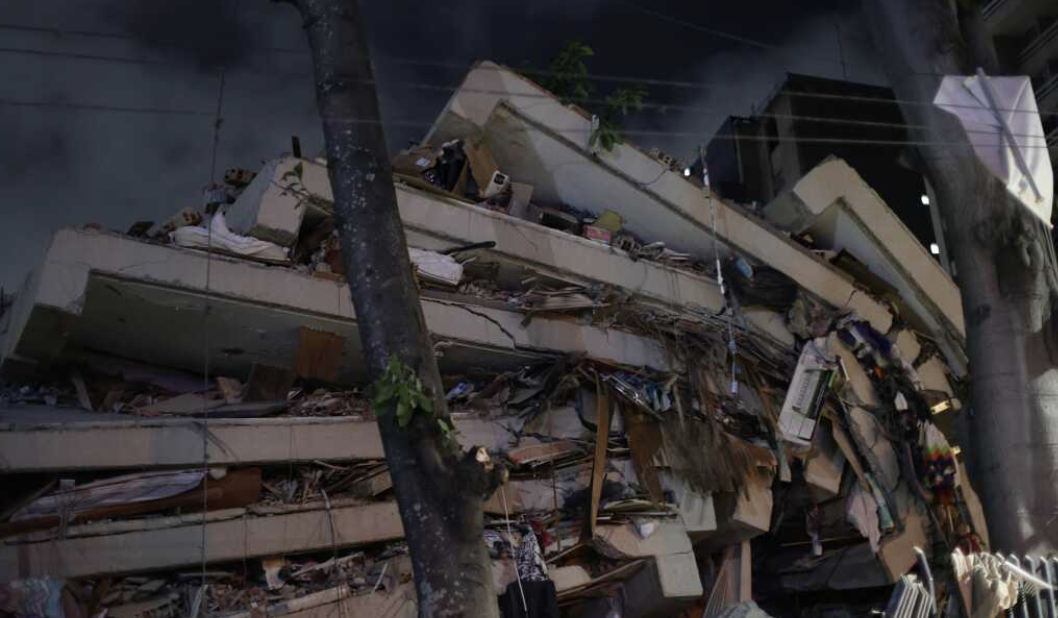
A Venezuela earthquake sequence of magnitude 7.2 and 7.5 struck near Morón on Wednesday, shaking Caracas and prompting the closure of Simón Bolívar International Airport.
The U.S. Geological Survey (USGS) reported the first event at about 6 p.m. Eastern time, followed less than a minute later by a stronger quake in nearly the same area. Social media footage from the capital showed damaged structures, people evacuating buildings, and debris falling in and around the airport.
Officials had not released a confirmed death or injury total by Wednesday evening. USGS preliminary modeling for the 7.5-magnitude quake indicated the potential for very high casualties and large economic losses, though those projections can shift as more data comes in.
Two large quakes minutes apart, centered near Morón
USGS located both epicenters on Venezuela’s Caribbean coast near the town of Morón, roughly 100 miles west of Caracas. The agency estimated the epicenters were about three miles apart, underscoring how tightly clustered the shocks were.
Paul Earle, a seismologist with USGS, said that when major earthquakes occur extremely close together in time, analyzing the second event becomes more challenging. Overlapping seismic signals can blur precise estimates of magnitude and location, especially for the later quake.
Back-to-back earthquakes of this size can compound damage because the first strong shaking may weaken buildings and infrastructure. A second jolt arriving within seconds can then trigger collapses in already-stressed structures, increasing the likelihood of injuries and complicating immediate response.
Caracas reports structural damage; main airport closes
Images and video posted online Wednesday evening showed rubble, cracked walls, and buildings that appeared partially or fully collapsed in parts of Caracas. Additional clips showed people running outdoors to avoid falling material and fragments dropping from damaged structures.
Simón Bolívar International Airport, a key transportation hub serving the capital, was shown with debris and visible structural damage in circulating footage. The airport later closed, a move likely to disrupt passenger travel and the flow of incoming assistance until safety inspections can be completed.
Transportation shutdowns can have outsized effects after major earthquakes, particularly in dense urban areas. When airports or major roads are compromised, moving medical supplies, search-and-rescue teams, and relief materials becomes slower and more difficult.
USGS models indicate severe risk, but totals still unknown
With communications and assessments still developing, the extent of fatalities and injuries remained uncertain Wednesday night. USGS’s rapid loss modeling for the 7.5-magnitude earthquake suggested deaths could range from thousands to tens of thousands, according to Earle.
The same modeling also projected economic losses potentially in the billions to tens of billions of dollars. Such early estimates are based on quake strength, population exposure, and building vulnerability, and may change as on-the-ground reports clarify where the heaviest damage occurred.
In the near term, emergency response will likely focus on search-and-rescue operations, stabilization of damaged buildings, and restoring access to critical facilities. Key next steps will include structural inspections—especially at the closed airport—and updated casualty and damage figures as authorities and aid groups complete initial surveys.