

U.S.-Ukraine Tensions Mount as Sanctions Relief Strains Alliance
Diplomatic tensions rise between Kyiv and Washington as U.S. sanctions relief on Russian diesel prompts continued Ukrainian drone strikes.
Geopolitical challenges confronting Kyiv have intensified following public disagreements between Ukrainian leader Volodymyr Zelenskyy and U.S. President Donald Trump. Strained diplomatic ties between both nations reached a new high after Washington decided to remove trade sanctions on diesel exported by Russia. Government officials in Kyiv have condemned the easing of fuel restrictions, characterizing the U.S. decision as a major strategic setback for their defense efforts.
In response to the U.S. policy shift, Ukrainian forces have persisted with unmanned aerial attacks targeting power and energy facilities inside Russia. Kyiv has pressed forward with these actions despite direct orders from American officials to halt these missions immediately. The refusal to comply with Washington's guidance has further worsened diplomatic friction between the two allied governments.
Threats to American Military and Technical Aid
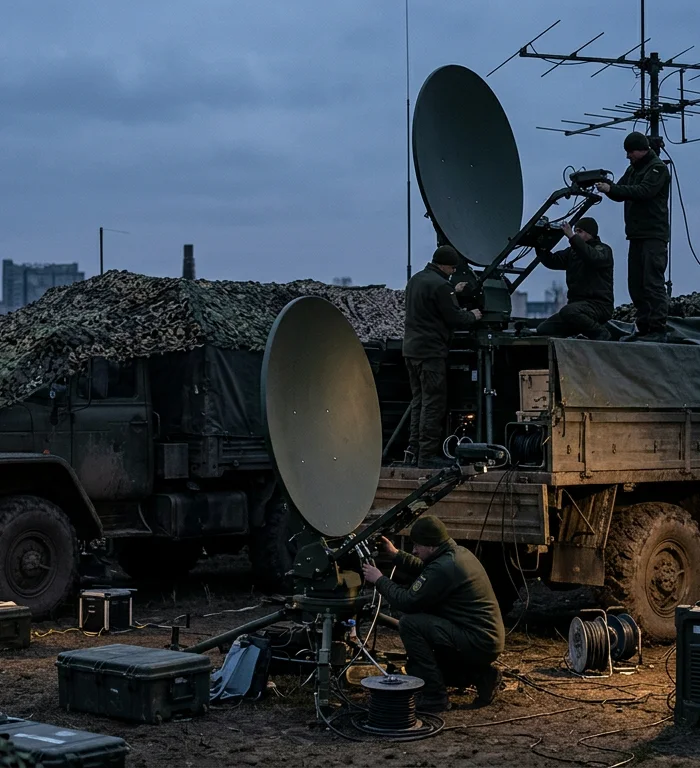
The worsening diplomatic impasse presents substantial security risks for Ukraine, as Washington threatens severe policy adjustments. The American administration has warned that it may completely cancel military equipment purchasing schemes dedicated to Ukrainian forces. Additionally, U.S. officials indicated they might curtail key security intelligence sharing along with satellite communication access that Kyiv relies on for battlefield operations.
Should Washington enact these funding and technical cuts, Ukraine would be compelled to depend more heavily upon European partners. However, European nations are currently contending with significant manufacturing limits and industrial bottlenecks, creating uncertainty over whether European production can effectively replace lost American defense hardware and communications support.
Domestic Political Consolidation in Kyiv
Despite external pressure, the demands issued by Washington have triggered unexpected internal political dynamics within Ukraine. American calls for a leadership change in Kyiv have inadvertently strengthened political backing for the governing regime. Rather than fracturing the political scene, domestic political opponents have rallied behind President Volodymyr Zelenskyy to form a united front against outside pressure.
Even with enhanced internal political cohesion, the ultimate sustainability of Ukraine's defense effort depends on repairing its damaged bilateral relationship with the United States. The threat of total American disengagement remains high, particularly as Washington shifts its priority toward securing direct commercial agreements with Moscow.
More stories
- Houthi-Saudi Attacks Extend Yemen Border Risk
- Washington tests IMF-backed UK fiscal reset against NATO spending demands
- Ukraine Courts Ghana on Child Returns as Washington Eyes Africa Diplomacy
- Egypt construction consulting may hit $10.06 billion by 2031
- Etihad, Qatar halt Saudi flights after airport attack
- U.S. Imposes Sanctions on ICC Following Nobel Peace Prize Award to Navi Pillay
- Argentina Temporarily Restricts Access to Iguazu Falls Due to Extreme Flooding
- Strategic Risks of Continued Military Operations Against Iranian Nuclear Infrastructure
- Penguin Solutions Lifts FY27 Sales Outlook to $2.43B on Record Q4
- Reform UK Clears Officials in Funding Probe Amid Police Inquiry
Latest news
- Taban Gıda bankruptcy puts wheat imports at risk
- Turkey posts $4.1 billion August current-account surplus
- Oncology decision-support market may reach $2.33 billion
- CSG gains largest MDA Space stake with 9.5% holding
- Peptide access push may obscure patient harm reports
- Manchester City Financial Appeal Extends Legal Timeline