

Strategic Risks of Continued Military Operations Against Iranian Nuclear Infrastructure
Military strikes on Iran have failed to neutralize nuclear proliferation risks, leaving significant stockpiles of enriched uranium vulnerable and prompting…
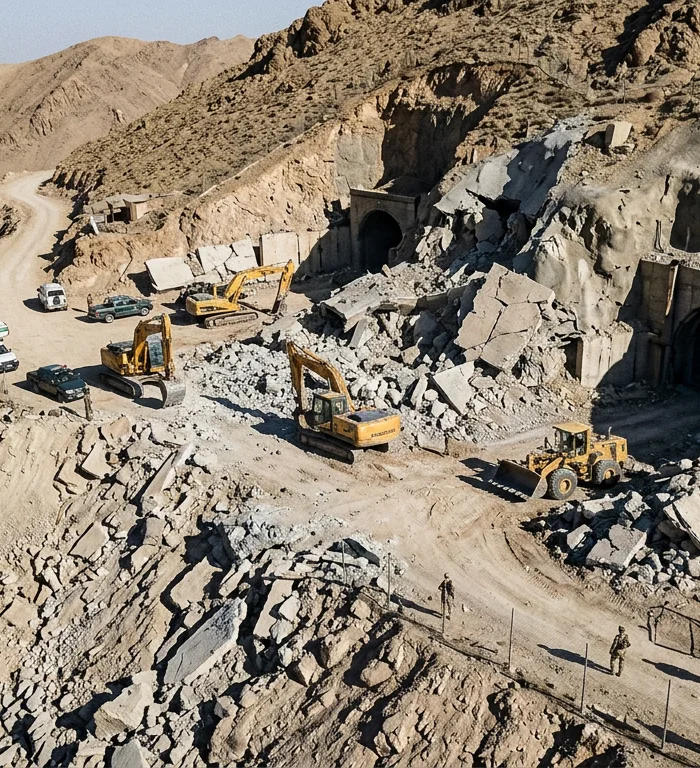
Military operations conducted by the United States and Israel against Iranian nuclear facilities have failed to eliminate the country's long-term proliferation risk. While strikes have damaged key infrastructure, Iran retains the technical expertise and a significant portion of its enriched uranium stockpile. Current assessments indicate approximately 200 kilograms of 60 percent enriched uranium remain in underground storage at Esfahan, sufficient for the production of five nuclear warheads if further enriched.
The International Atomic Energy Agency lacks access to bombed sites, creating uncertainty regarding the status and location of remaining nuclear materials. Intelligence reports suggest that while tunnel entrances at storage sites have been obstructed, the material remains potentially accessible. The dispersion of materials following pre-strike contingency measures complicates verification efforts and increases the risk of diversion to undeclared locations.
Proposed U.S. military options, including ground operations to seize enriched uranium, present significant security and safety hazards. Such actions risk direct confrontation with Iranian forces and potential exposure to toxic uranium hexafluoride gas. Congressional opposition to ground deployments remains a factor, as the administration weighs the viability of extraction operations against the ongoing threat of nuclear escalation.
More stories
- Houthi-Saudi Attacks Extend Yemen Border Risk
- Washington tests IMF-backed UK fiscal reset against NATO spending demands
- Ukraine Courts Ghana on Child Returns as Washington Eyes Africa Diplomacy
- Egypt construction consulting may hit $10.06 billion by 2031
- Etihad, Qatar halt Saudi flights after airport attack
- U.S. Imposes Sanctions on ICC Following Nobel Peace Prize Award to Navi Pillay
- Japan and US Reviewing Military Conduct Policies Following Okinawa Homicide
- Indian Authorities Detain Opposition Leaders Following Protest Site Access
- UK Plans to Repeal Home Standard Raise Energy Cost Projections
- Two dead as Black Sea ship burns and sinks
Latest news
- Taban Gıda bankruptcy puts wheat imports at risk
- Turkey posts $4.1 billion August current-account surplus
- Oncology decision-support market may reach $2.33 billion
- CSG gains largest MDA Space stake with 9.5% holding
- Peptide access push may obscure patient harm reports
- Manchester City Financial Appeal Extends Legal Timeline