US Destroys Iranian Missile Launchers on Larak Island
The US military targeted Iranian missile launchers on Larak Island, preventing sea mine deployment in the Strait of Hormuz amid rising regional tensions.
Atlas Newsdesk ·
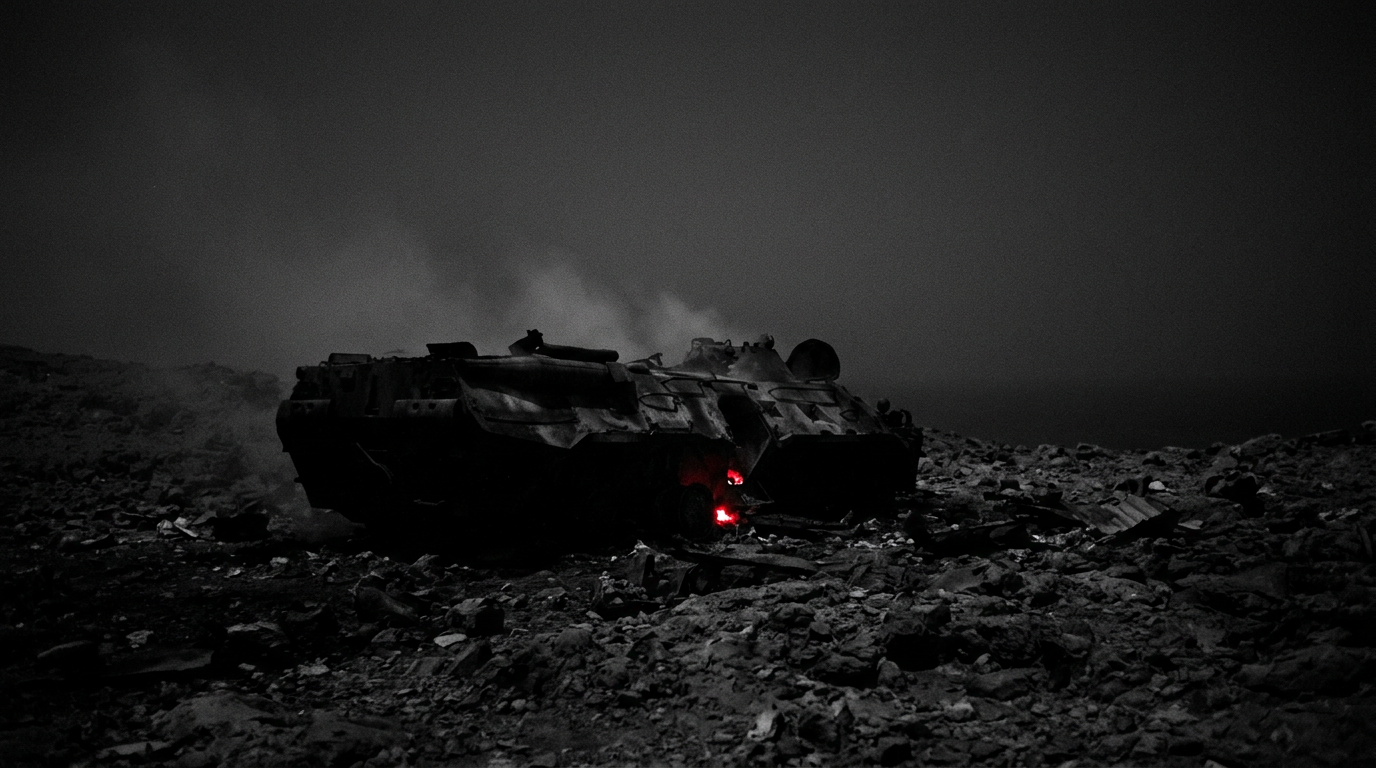
United States military forces carried out targeted strikes on Sunday, destroying two Iranian missile launchers located on Larak Island. This action marks the first direct American military engagement on Iranian territory since late July, significantly escalating regional tensions.
US Central Command officials identified the destroyed assets as belonging to the Islamic Revolutionary Guard Corps (IRGC), stating they were being prepared to deploy sea mines within the critical Strait of Hormuz. This waterway is vital for global energy transit, with approximately 20 percent of the world's oil and liquefied natural gas historically passing through it.
Preventing Maritime Threat
The military operation aligns with previous warnings from the US administration. Officials had indicated that any attempts to re-mine the crucial shipping lane would result in the destruction of equipment intended for such deployment. This incident underscores the persistent volatility in the region, where the United States maintains a strategy combining renewed economic sanctions with precise military actions.
The strikes occurred amidst heightened maritime tensions, following earlier reports that Iran had mandated commercial vessels to pass near Larak Island for inspections and transit fee payments. This broader context contributes to the fragile security environment surrounding critical global trade routes.
Iranian Response and Regional Impact
Iranian state media reported casualties from the drone-led strike, indicating two fatalities and two injuries among IRGC personnel. Following the strikes, the IRGC condemned the American action as a significant strategic error. The Iranian military organization also signaled potential retaliatory measures, suggesting responses could emerge in both the economic and military spheres.
This escalation takes place against the backdrop of a six-month-long conflict that has substantially disrupted regional energy flows and raised concerns about maritime navigation security and international energy markets. The US engagement demonstrates a continued policy of deterrence in a region prone to rapid escalations and miscalculation.
Broader Geopolitical Context
The recent strike adds to a series of confrontations and heightened alerts that have characterized US-Iran relations in recent years. Efforts aimed at curbing Iran's regional influence and nuclear program have frequently resulted in proxy conflicts and direct military posturing. International observers and stakeholders invested in global energy security remain concerned about the potential for further escalation.
The precise long-term effects of this latest military action on regional stability and international shipping lanes are yet to be fully determined. The international community is closely monitoring any potential responses from Iran and their implications for the already volatile geopolitical situation in the Middle East.